
Every summer, my kitchen slowly transforms into a pantry workshop.
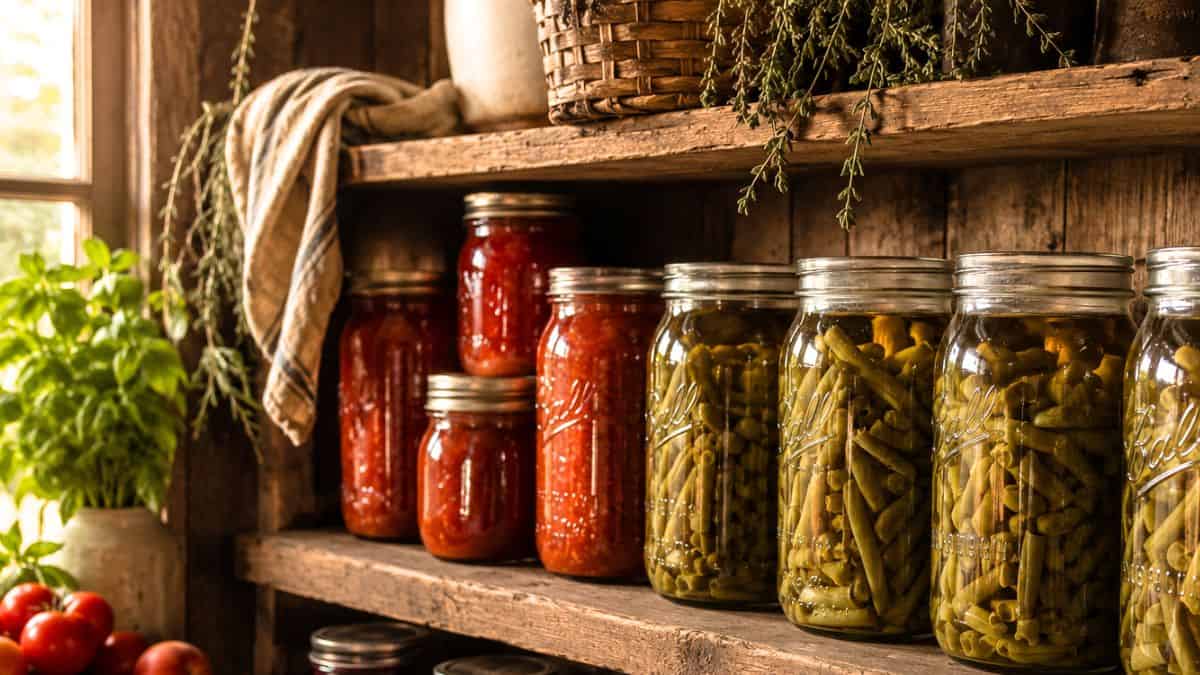
Baskets of tomatoes line the countertops. Peaches ripen in brown paper bags. Fresh herbs dry by the windows, and somewhere in the middle of it all, there's always a pot simmering on the stove.
Home canning isn't just about preserving food... it's about preserving a season.
A pantry stocked with jars of peaches, tomato sauce, salsa, and homemade jams means you can enjoy the flavors of summer long after the garden has gone to sleep.
Whether you're learning how to can food safely for the first time or you've been filling pantry shelves for years, this guide brings together everything you need in one place.
From beginner canning tutorials and food preservation tips to pressure canning, water bath canning, jams, pickles, tomatoes, and seasonal recipes, consider this your starting point.
Jump To
Browse the sections below to find beginner guides, step-by-step tutorials, and hundreds of trusted canning recipes organized by category.
Home Canning for Beginners
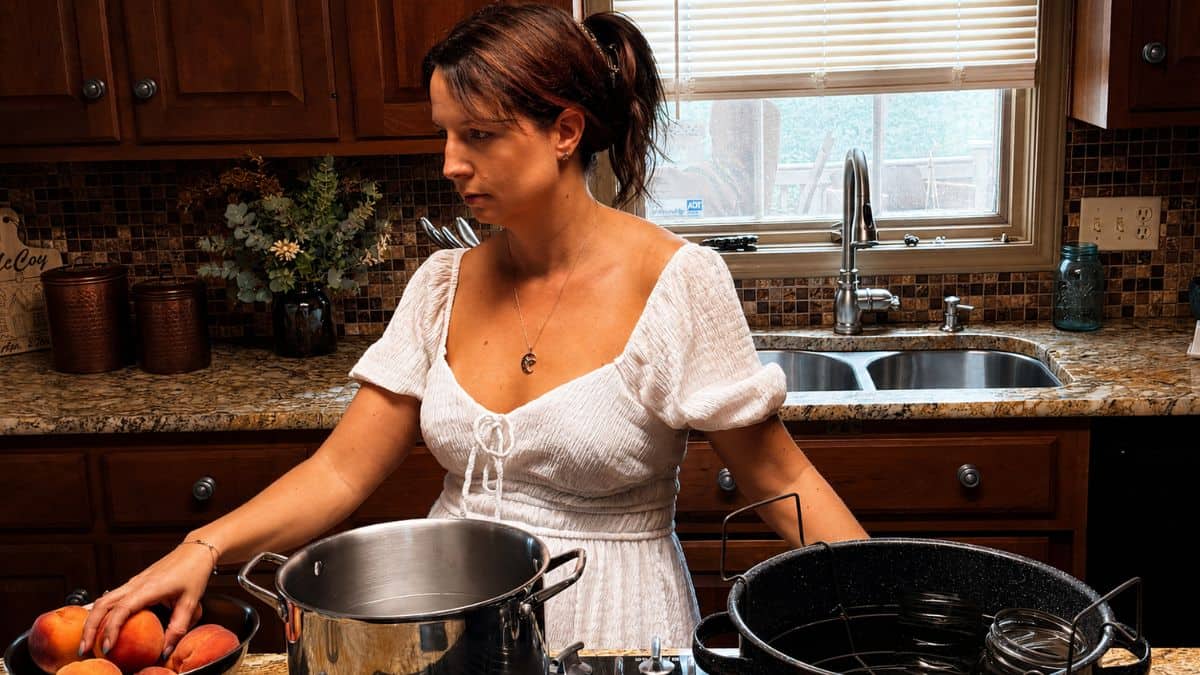
If you're new to home canning, don't worry, it isn't nearly as intimidating as it seems. Learning the difference between water bath and pressure canning, choosing the right equipment, and following tested recipes are the keys to safely preserving food at home. Once you understand the basics, you'll be filling your pantry with homemade jams, pickles, soups, sauces, and vegetables all year long.
Start Here
- Water Bath Canning vs. Pressure Canning (coming soon)
- How to Use a Pressure Canner
- How to Water Bath Can (coming soon)
- Essential Canning Equipment (coming soon)
- Common Canning Mistakes to Avoid (coming soon)
Water Bath Canning Recipes
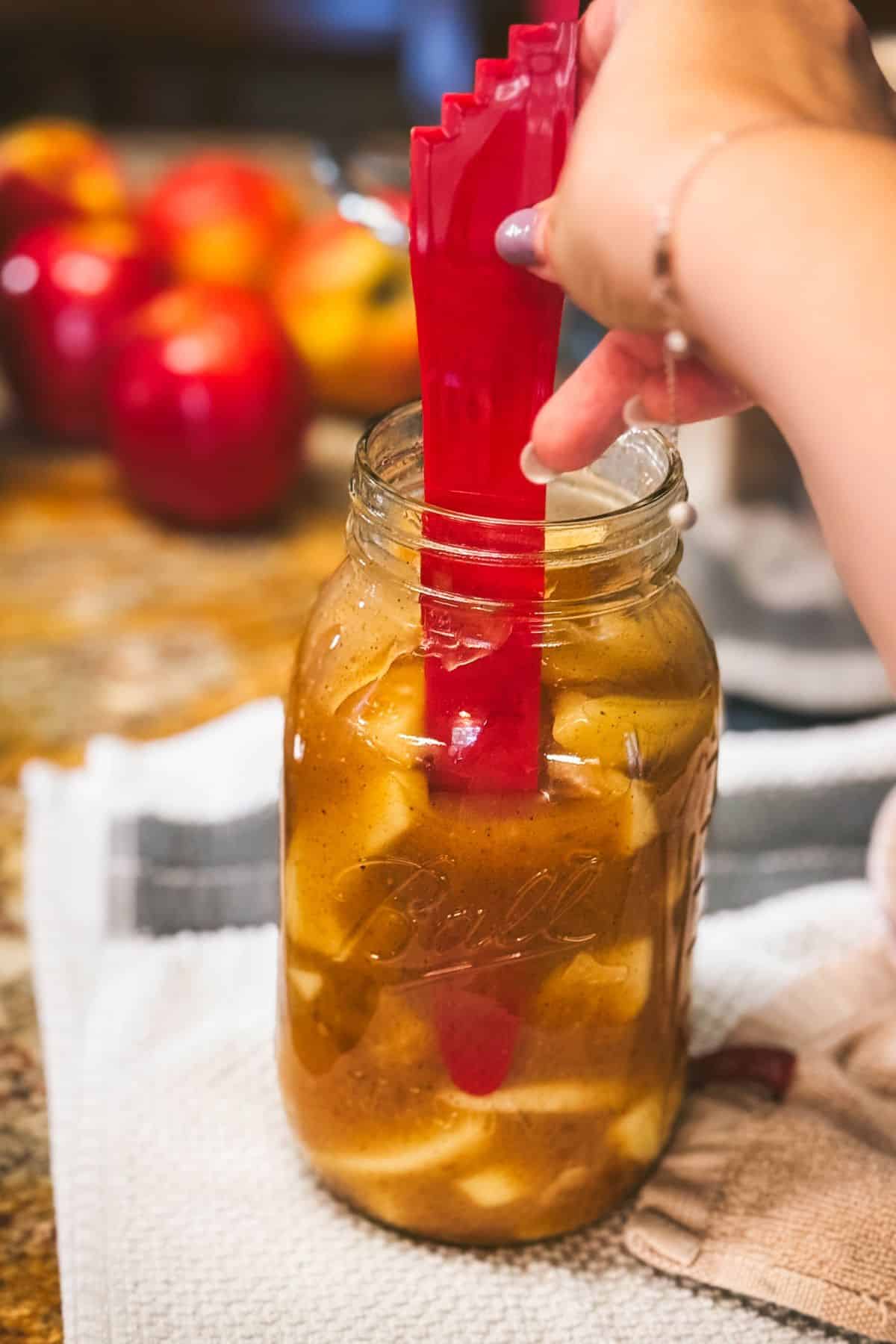
Water bath canning is perfect for naturally high-acid foods like jams, jellies, pickles, fruit, tomatoes with added acid, and many preserves. It's often the best place for beginners to start and is one of the easiest ways to stock your pantry with homemade favorites.
🍅 Tomato Canning Recipes
Whether you're making homemade tomato soup, pizza sauce, or diced tomatoes, these recipes will help you enjoy your garden harvest all year long.
- Canning Tomato Soup
- Canning Diced Tomatoes
- Canning Pizza Sauce
- Pickled Green Tomatoes
- Canning Salsa
- Black Bean & Corn Salsa
🍑 Fruit Canning Recipes
From peaches and pears to berries and citrus, these fruit canning recipes help you preserve the freshest flavors of the season.
Apples
Apricots
Blackberries
Blueberries
Cherries
Citrus
Cranberries
- Homemade Christmas Jam
- Pickled Cranberries
- Cranberry Sauce (Jellied or Whole)
- Cranberry Juice
- Spiced Cranberry Jam
Peaches
- Canning Peach Sweet Tea
- Vanilla Bourbon Peach Butter
- Roasted Peach Salsa
- Homemade Peach Jelly
- Canning Peaches Made Easy
Pears
Plums
Raspberries
Strawberries
- Strawberry Syrup
- Strawberry Preserves with Honey + Vanilla
- Low Sugar Strawberry Jam
- Strawberries in Syrup
🥒 Pickle + Relish Canning Recipes
Sweet, tangy, spicy, and crunchy... these pickle and relish recipes make the most of summer vegetables.
- Pickled Garlic
- Dill Pickles
- Pickled Green Beans
- Pickled Carrots
- Pickled Brussels Sprouts (Frog Balls)
- Pickled Cranberries
- Pickled Peppers
- Bread + Butter Pickles
- Pickled Green Tomatoes
- Sweet Zucchini Relish
Jam + Jelly Canning Recipes
Homemade jams and jellies are one of the easiest places to start if you're new to canning, and they're perfect for gifting or stocking your pantry.
- Apple Pie Jam
- Spiced Cranberry Jam
- Christmas Jam
- Blackberry Jam
- Low Sugar Strawberry Jam
- Raspberry Jam
- Strawberry Preserves
- Brandied Apricot Preserves
- Wine Jelly
- Peach Jelly
- Blueberry Jelly
- Pepper Jelly
Pressure Canning Recipes

- Canning Mississippi Pot Roast
- Easy Canned Venison Recipe
- Venison Bone Broth
- Canning Mushrooms
- Canning Chicken
- Canning Tomato Soup
- Canning Green Beans
- Canning Black Bean & Corn Salsa
- Canning Carrots
- Canning Dried Beans
Equipment
These are the canning tools I reach for every season and the ones I recommend to anyone building a pantry from scratch.
Essential Canning Equipment
- Pressure Canner
- Water Bath Canner
- Canning Jars
- Canning Lids
- Jar Lifter
- Canning Funnel
- Bubble Remover & Headspace Tool
- Labels
Frequently Asked Questions About Home Canning
Is home canning safe?
Yes, when you follow tested recipes and use the correct canning method, home canning is a safe and reliable way to preserve food. Always use recipes from trusted sources, such as the USDA or the National Center for Home Food Preservation, and adjust processing times for your elevation when necessary.
What's the difference between water bath canning and pressure canning?
Water bath canning is used for high-acid foods, including jams, jellies, pickles, fruits, and tomatoes with added acid. Pressure canning is required for low-acid foods like vegetables, meats, soups, and stocks because it reaches a higher temperature needed to safely destroy harmful bacteria.
Do I need to sterilize jars before canning?
Not typically. If your recipe has a processing time of 10 minutes or longer, sterilizing the jars beforehand isn't necessary because they'll be sterilized during processing. However, jars should always be washed with hot, soapy water and inspected for chips or cracks before filling.
Can I reuse canning lids?
No. Standard metal canning lids are designed for one-time use and should be replaced each time you can food. However, the screw bands can be reused as long as they're free from rust or damage.
How long does home-canned food last?
For the best flavor and quality, use home-canned foods within 18 months. Properly sealed jars often remain safe beyond that timeframe as long as the seal is intact, but quality may begin to decline.
How do I know if a jar sealed properly?
After the jars have cooled for 12–24 hours, press the center of the lid. A properly sealed lid should be slightly concave and shouldn't flex up and down. If a jar didn't seal, refrigerate it and enjoy it within a few days, or reprocess it with a new lid according to safe canning guidelines.
Why didn't my jars seal?
Several things can prevent a good seal, including food residue on the jar rim, damaged lids, overfilled jars, incorrect headspace, or overtightened screw bands. Fortunately, a failed seal doesn't mean the food is wasted... it simply needs to be refrigerated or reprocessed promptly.
Can I double a canning recipe?
It's generally not recommended. Canning recipes are carefully tested for acidity, density, and heat penetration. Doubling ingredients can affect how safely the food processes, so it's best to prepare multiple individual batches instead.
Can I use my own family recipe for canning?
Not always. A recipe that's delicious for eating fresh may not be safe for home canning. Unless a recipe has been tested for canning, it's safest to use trusted, research-based recipes or adapt family recipes only in approved ways.
What's the best pressure canner for beginners?
A quality pressure canner should be large enough to hold several quart jars, maintain consistent pressure, and include clear instructions. Whether you choose a weighted-gauge or dial-gauge model, investing in a reliable canner is one of the best decisions you'll make if you plan to preserve vegetables, meats, soups, and stocks regularly.
Looking for Something Specific?
Browse the categories above, or use the search bar to find your favorite canning recipes. I'm always adding new ways to preserve the season... from garden-fresh vegetables and homemade jams to hearty soups, sauces, and pantry staples... so be sure to check back often.

Leave a Reply