
Companion planting is a great way to help naturally repel garden pests, keep weeds at bay, and improve soil health.
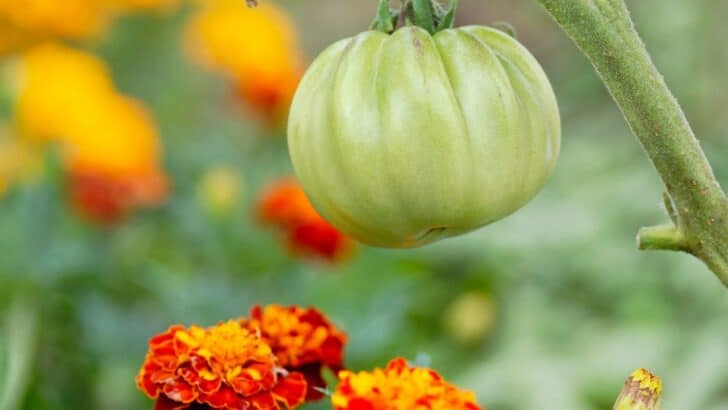
Knowing which plants to plant near each other and which to plant, far, far away can help you have an incredibly successful garden this year, and for years to come when you apply these principles.
What is Companion Planting?
It is using the practice of planting mutually beneficial plants near one another in order to naturally improve each other's yield and health.
While some plants compete for the same nutrients, companions will complement each other by providing the soil with nutrients for each other.
Companion plants can also repel pests and/or attract beneficial insects to their companions.
Utilizing these practices can give you a great, successful garden every single year.
What are the Benefits of Companion Planting?
- PEST PREVENTION. By planting mutually beneficial plants near one another, you can help naturally repel many pests. This is especially true of aromatics like herbs.
- SOIL FERTILITY. Some plants with deep deep tap roots can bring nutrients up closer to the soil surface making them more bioavailable to the plants that need them. Other plants can fix nitrogen and other nutrients by releasing them into the soil and making them available to nearby plants that need nitrogen.
- TRELLISING. Planting beans with corn can provide them with a natural trellis to climb up. This is true for many plants. Taller plants like sunflowers and corn can provide natural trellises for the vining plants to climb and keep them supported.
- WEED CONTROL. Weeds are a gardener's worst enemy, and it can be difficult to control weeds in the garden. But, planting ground-covering plants near thinly planted plants can help naturally suppress weeds.
- NATURAL SHADE. Bigger, taller plants can provide some much-needed shade and relief from the direct sun.
- IMPROVED TASTE. While some argue that companion planting doesn't improve the taste of your fresh produce, others say it absolutely does.
What plants are companions?
Basil

Companion: Just about every plant can benefit from a little basil planted near it.
Antagonistic: Do not place rue and basil together.
Special considerations: Basil will improve the flavor of most garden crops, this is especially true of tomatoes. Basil will repel gnats, mosquitos, aphids, mites, and tomato hookworms.
Beets
Companion: Bush bean, cabbage, lettuce, onion, radish, and sage.
Antagonistic: Do not place beets with mustard or pole beans.
Borage

Companion: Tomato, squash, strawberry.
Antagonistic: None known.
Special considerations: Borage is beautiful, and edible, attracts pollinators like bees, and helps ward off tomato worms as well as improving the yields and flavors of its companions.
Broccoli
Companion: Beet, calendula, carrot, chamomile, dill, mint, nasturtium, onion, rosemary, sage, thyme, and wormwood.
Antagonistic: Strawberries
Bush Beans
Companion: Beet, cabbage, carrot, celery, corn, cucumber, eggplant, pea, potato, radish, strawberry, Swiss chard.
Antagonistic: Garlic, onion, shallot.
Cabbage

Companion: Broccoli, Brussels sprout, celery, spinach, Swiss chard, spinach, tomato.
Antagonistic: Strawberry.
Calendula (pot marigolds)
Companion: Like basil, just about every plant can benefit from calendula.
Antagonistic: None known.
Special considerations: Calendula can repel most pests including tomato hornworms, aphids, squash beetles, nematodes, and more.
Carrots

Companion: Beans, cabbage, chives, dill, leeks, lettuce, onion, peas, radish, rosemary, sage, and wormwood.
Antagonistic: None known.
Special considerations: Planting carrots amongst onions and wormwood will help repel carrot flies.
Cauliflower
Companion: Beets, calendula, carrots, chamomile, dill, mint, nasturtium, onions, rosemary, sage, thyme, and wormwood.
Antagonistic: Strawberries
Chamomile
Companion: Basil, cabbage, mint, onions, squash.
Antagonistic: None known.
Special considerations: Chamomile helps to repel mosquitos and attracts beneficial insects like hoverflies and ladybugs which eat aphids and mites.
Chives
Companion: Apple, berries, carrots, grapes, peas, tomatoes.
Antagonistic: None known.
Special considerations: Helps repel aphids and Japanese beetles.
Comfrey
Companion: Fruit trees can benefit from comfrey being planted around their bases.
Antagonistic: Comfrey grows large and can become invasive. While it benefits many plants, this can be less than beneficial.
Coriander
Companions: Carrots, radish, Swiss chard.
Antagonistic: Fennel
Corn
Companion: Beans, cucumbers, melons, peas, potato, pumpkin, squash, sunflowers.
Antagonistic: None known.
Cucumbers
Companion: Beans, corn, okra, peas, radish, sunflowers.
Antagonistic: Aromatic herbs, potatoes.
Eggplant
Companion: Beans, okra, peppers, potatoes, tomatoes.
Antagonistic: None.
Garlic

Companion: Cabbage, fruit trees, tomatoes.
Antagonistic: Peas, beans.
Special considerations: Repels aphids and Japanese beetles.
Kale
Companion: Aromatic herbs, cabbage, and nasturtiums.
Antagonistic: Pole beans, strawberries.
Horseradish
Companion: Fruit trees, potatoes.
Antagonistic: None.
Lavender
Companion: Broccoli, cabbage.
Antagonistic: None.
Lettuce
Companion: Beets, carrots, radishes, strawberries.
Antagonistic: Cabbage.
Special considerations: Lettuce will tenderize radishes.
Mint
Companion: Cabbage, nettles, tomatoes.
Antagonistic: Chamomile.
Nasturtiums
Companion: Apples, beans, cabbage, potatoes, pumpkins, radishes, squash.
Antagonistic: None.
Special considerations: Repels aphids, potato bugs, and squash bugs.
Onions

Companion: Beets, cabbage, carrots, chamomile, lettuce, strawberry.
Antagonistic: Beans, peas.
Oregano
Companion: All plants can benefit by being planted near oregano.
Antagonistic: None.
Special considerations: Oregano is a fantastic natural insect repellent.
Parsley
Companion: Asparagus, carrots, corn, tomatoes.
Antagonistic: None.
Peas

Companion: Aromatic herbs, beans, carrots, cucumber, corn, potatoes, radish.
Antagonistic: Gladiolus, garlic, onions.
Special considerations: Peas are a great nitrogen fixer.
Peppers
Companion: Basil, carrots, eggplant, okra, parsley, tomatoes.
Antagonistic: Fennel.
Potatoes
Companion: Basil, beans, cabbage, corn, eggplant, horseradish, peas, squash.
Antagonistic: Apples, birch, cherries, cucumbers, pumpkins, raspberries, sunflowers, tomatoes, walnuts.
Special considerations: Basil will help deter potato beetles.
Pumpkins
Companion: Corn, pole beans.
Antagonistic: Potatoes.
Radish
Companion: Beans, beets, carrots, cucumber, lettuce, melons, nasturtium, peas, spinach, squash, tomatoes.
Antagonistic: Potato.
Special considerations: Lettuce can tenderize radishes and nasturtium will improve their flavor.
Rosemary
Companion: Beans, cabbage, carrots.
Antagonistic: None.
Special considerations: repels cabbage worms/butterflies, and carrot flies.
Sage
Companion: Cabbage, carrots, tomatoes.
Antagonistic: Cucumbers.
Special considerations: Repels cabbage worms/butterflies, and carrot flies.
Spinach
Companion: Celery, cauliflower, eggplant, strawberries.
Antagonistic: None.
Sunflower
Companion: Cucumber.
Antagonistic: Potatoes.
Swiss Chard
Companions: Bush beans, lettuce, mint, onions, radish.
Antagonistic: None.
Tansy
Companion: Raspberries.
Antagonistic: None.
Special considerations: Repels ants, aphids, and Japanese beetles.
Thyme
Companion: All plants can benefit from being planted near thyme.
Antagonistic: None.
Special considerations: Repels cabbage worms/butterflies.
Tomatoes

Companion: Asparagus, basil, carrots, mustard, parsley, onions, rosemary, and sage.
Antagonistic: Corn, fennel, potatoes.
Yarrow
Companion: Fruit trees.
Antagonistic: None.
This, of course, is not an exhaustive list. But, it does cover some of the more popular plants that most of us tend to use and grow for food and medicine.
I highly recommend even beginning gardeners try to implement some companion planting practices just because it can help so much with weed and pest control and make for a better, more productive garden with less work.
Other Gardening Posts You'll Love:


Leave a Reply