
January is the perfect time to start planning your garden for the upcoming growing season. While it may be too early to plant outdoors in many areas, there are still plenty of things that you can do to get ready for the spring and ensure a bountiful harvest.

While most of us can't plant much in a garden in January, some of us can and almost all of us can start a few seeds in January, especially toward the end of the month.
Flower Seeds to Start in January
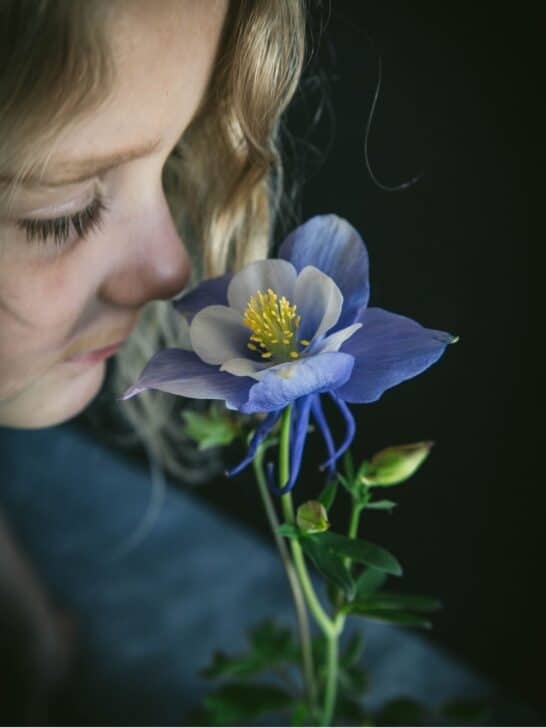
Starting flower seeds in January is a great way to get a head start on your flower garden bed! These flowers can be started from seed now for spring planting.
Columbine - Columbine seeds require cold stratification to bloom. Surface sow the seeds in a well-moistened seed starting mixture, cover with a plastic bag, and place in the refrigerator for 3-4 weeks.
After that process, remove from the refrigerator and the seeds will germinate in 22-30 days as the soil warms to 65 to 70 degrees.
Planting them this way helps ensure blooms this year, instead of having to wait until next year for these beautiful perennial plants.
Foxglove. Another flower that has increased chances of flowering in its first if started in the winter. Foxglove also requires light to germinate but can be surface sown in seedling trays and set outside.
Set them in a greenhouse, under a cold frame, or in a sheltered spot and the seedlings will begin to emerge within 2-3 weeks.
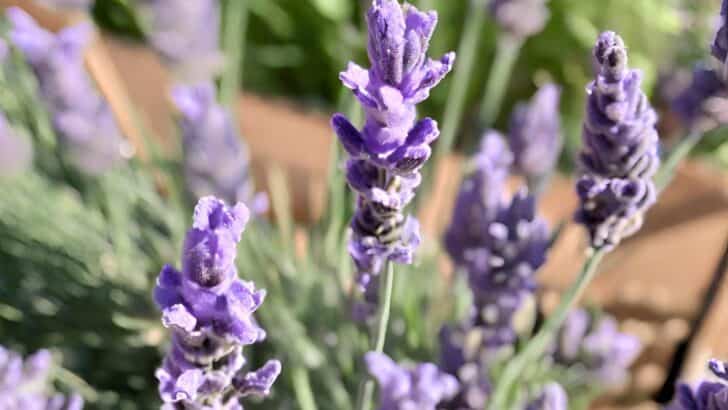
Lavender. My personal favorite, lavender also requires cold stratification to germinate. I often have luck with simply placing the packet of seeds in the refrigerator for 3-4 weeks before starting the seeds.
Growing lavender from seed is fairly easy, simply surface sow in seed trays and allow it to germinate indoors for the most success.
Pansies. Pansies are typically transplanted outdoors in mid-April so if you're growing this popular, pretty annual from seed, late January is a good time to start them.
Unlike the previously mentioned flowers, pansies require darkness to germinate, so be sure to press the seeds into the soil and cover them well. Pansies will germinate in about two weeks at 70°F.
Snapdragons. Much like pansies, this gorgeous annual is typically planted outdoors in mid-April. By starting the seeds early enough indoors, you can select varieties you like and they'll be ready for transplanting in early April.
Snapdragons are also surface-sown flowers, simply sprinkle the seeds on top of the soil surface as these also require light to germinate. The plant will take about 8-14 days to germinate. Once the seedlings reach about 2" tall, thin them.
Herbs Seeds to Start in January
Many herbs take a while to get established and even more herbs can be grown indoors year-round. These herbs are perfect for your kitchen garden and January is an ideal time to start them whether you'll be placing them in pots (where you can bring them indoors on frosty nights) or transplanting into your herb garden.
Chives. Chives are pretty well-adapted to colder temperatures and can be started in winter all the way through early spring.
Starting chives in January can help provide a longer growing season as they typically go dormant in hot weather.
Sow chive seeds ½" deep in moist seed starting mix about 10-15 seeds per cell. They will sprout within two weeks at temperatures around 65°F.
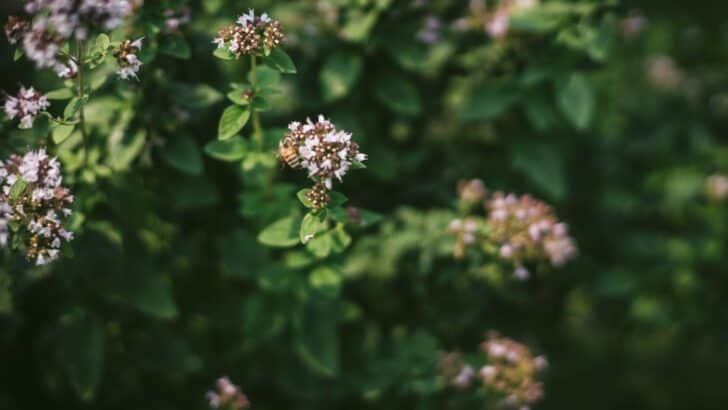
Oregano. Typically, oregano is started about 10 weeks before the last frost date. Oregano seeds, like many of the seeds mentioned here, need light to germinate.
Surface sow the seeds and they will germinate within two weeks at 65°F to 70°F.
Parsley. Parsley is a fantastic indoor herb for any climate and can be grown any time of year. It is also fairly cold hardy, so it can be started now with plants to transplant outdoors in early spring.
Germination of parsley can be incredibly slow, sometimes taking up to six weeks, even more reason to start it early. Plant seeds ½" deep and keep the soil moist.
Rosemary. While rosemary is often propagated, it is another plant that can take a long time to germinate, it's best to start rosemary seeds at least three months before the last frost to allow plenty of time for the plant to grow and get established.
Rosemary also has very low seed viability and is pretty finicky about its soil temps staying at 60°F to 65°F. Surface sow the seeds, in moist soil, and don't fret if you don't see anything for a while.
Thyme. Another plant that is often grown from cuttings, thyme can be started from seed as well. Perfect for growing indoors, you can also get an early start on your spring herb garden and sow thyme seeds in January.
Germination is slow, sometimes taking up to a month. Surface sow the seeds and keep soil temps around 60°F to 70°F.
Vegetable Seeds to Start in January
Despite the cold weather outside, there are plenty of options for vegetables that can be started indoors or in a greenhouse, which will provide you with a bountiful harvest come springtime. Here are a few plants to start now for your vegetable garden.
Kale. While not everyone's favorite veggie, if you're growing kale January is prime time to start growing it.
Starting kale from seed in early winter is a good idea. Most kale varieties are fairly frost tolerant and starting now will give you the longest growing season even in colder climates.
Sow seeds ½" deep in seed starting trays. Seeds will begin to germinate within 5 to 8 days. You can thin them after they reach a couple of inches tall. Kale can be transplanted outside about 5 weeks before the last frost giving it plenty of time to grow before the hot weather hits.

Lettuce. Fresh lettuce is a sight to behold in the wintertime.
Lettuce can be grown indoors year-round, but it's growing lettuce outside even in the winter is possible as many varieties can survive temperatures down to 20 degrees Fahrenheit. If your temps are dipping lower than that, utilizing cold frames or greenhouses can help.
Surface sow about 3 to 4 seeds per cell. Seeds will germinate in a week or two. Transplant lettuce seedlings outdoors into cold frames, hoop houses, or a greenhouse after established and hardened off.
Spinach. Another cold-tolerant vegetable that can tolerate temps down to 20°F, spinach is a good crop to grow in the winter.
Spinach grows quickly, only taking a month or so to grow into baby spinach. While this will depend on the conditions and outside temperature, it is less likely to have pest problems or bolt when grown in the winter.
Start seeds by directly sowing on top of the frozen ground or in larger pots and cover with a layer of loose soil from a thawed bag of potting soil. Cover everything with a cold frame, or cloche, or do all of this in a greenhouse in any area where temperatures are going to dip below 20°F.
Swiss chard. Unlike lettuce and spinach, swiss chard can tolerate both hot and cold temperatures, which makes it easy to grow just about any time of year. That said, it is a very cold hardy vegetable able to tolerate temperatures down to 15 degrees Fahrenheit.
Chard seedlings are only frost tolerant once established, though. So, like lettuce, sow seeds indoors, harden them off, and transplant them into cold frames.
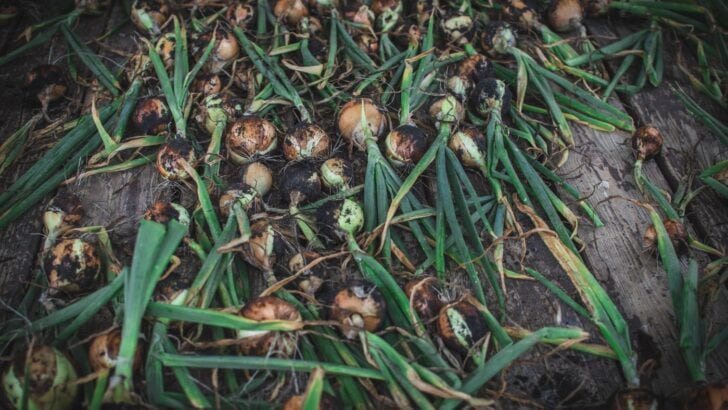
Onions. Onions take a long time to grow from seed, and while you can certainly grow onions from bulbs or sets, I prefer growing them from seed. January is an ideal time to start onion seeds.
Surface sow the seeds in large pots or trays and cover with about ¼" of soil. Place a humidity dome on top as they will germinate better that way. Then, keep onion seedlings trimmed once they sprout and begin growing over a couple of inches to keep their root systems strong.
Sweet peas. Many snow pea varieties can tolerate heavy frost and can survive temperatures down to 0°F to -10°F. While the pods of early plants will be small, there will be a lot of them and they will be well-filled. Sweet peas can also germinate in near-freezing soil, but this will slow germination.
Grow peas by planting an inch deep in a greenhouse or hoop house (so they can be trellised) after soaking overnight for the best results. They should germinate within 6 to 17 days. If early sowings don't make it, simply plant again next month.
Other January Gardening Tasks
The winter months can make it seem like we're never going to get out in the garden and while there aren't a lot of seeds you can get going, there are a few other tasks to keep your spirits up for the coming garden season.
The new year is a great time to get out the seed catalogs and start ordering seeds.
Take an inventory of the seeds you have by organizing your seeds in some seed storage containers and writing everything down in a garden planner.
Check out all of your gardening tools, sharpen blades, and oil any moving parts.
Check out all your seed starting supplies. Make sure you have grow lights, seed starting trays, and plenty of seed starting mix to get you going once you do start your seeds.
While there may not be a ton of gardening tasks and seed starting to do in the middle of winter, there are some. I hope this guide helps you look forward to gardening and more sunny days and warm weather!


Leave a Reply