
Lettuce is one of the easiest, fastest, and most forgiving crops you can plant. It doesn’t care if your garden’s a mess or if you forgot to label your seed trays. It doesn’t need a picture-perfect raised bed or an organic certification. It just needs cool soil, a little sun, and someone willing to try.
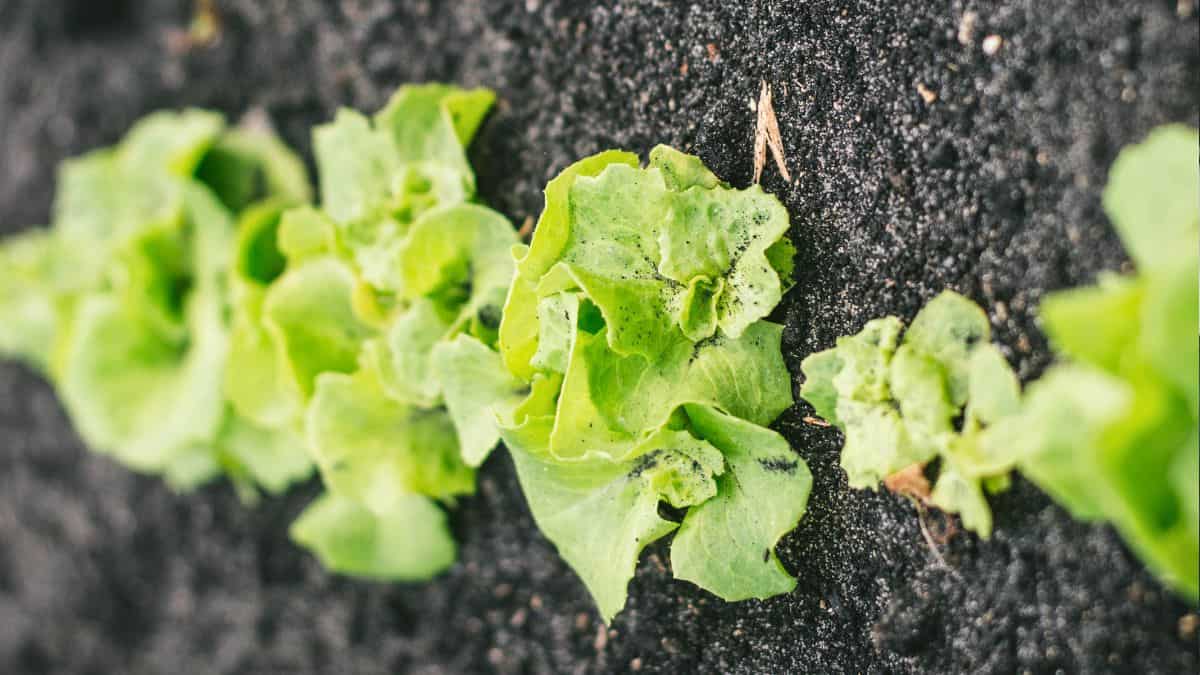
You don’t need the perfect garden. You don’t need a linen apron or a Pinterest-worthy raised bed. You just need dirt, light, and the quiet courage to begin again.
Lettuce is one of those early spring allies that grows fast, tastes better than anything in a bag, and reminds you that even after the cold, something fresh can come alive.
It’s forgiving. It’s unfussy. And it’s exactly the kind of green you need when you’re still shaking off the winter.
Here’s how to grow lettuce even if your life is messy, your soil isn’t ideal, and your version of seasonal living comes with a drive-thru side order of fries.
The Five Types of Lettuce (And Why You Don’t Have to Pick Just One)
There are five main types of lettuce. Each one grows a little differently, but they’re all pretty chill if you meet their basic needs.
Leaf: Fast, loose, and cut-as-you-go. Flashy Butter Oak is one of my go-tos.
Romaine (Cos): Tall, crisp, perfect for Caesar salads. Try Paris Island for a solid heirloom option.
Crisphead: Iceberg types. Fussy in spring but better in fall. Ithaca is one of the few that won’t bolt immediately.
Butterhead: Small, tender heads with soft, slightly sweet greens. Tom Thumb is great if you’re short on space.
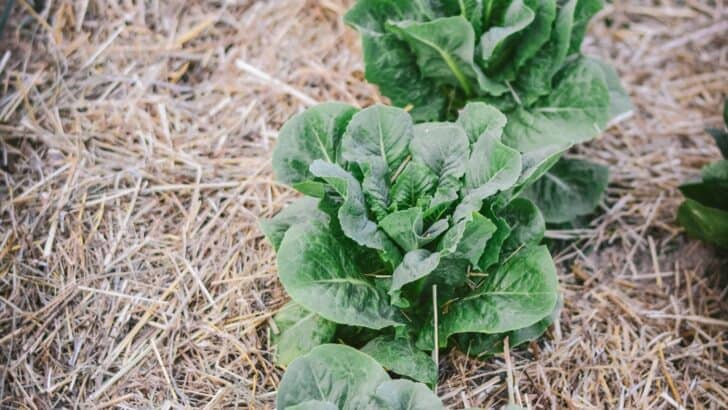
Stem (Celtuce): Grown for the stalk, not the leaves. You’ll either love it or hate it.
Stem (celtuce)- stem lettuce is grown for, you guessed it, the stem instead of the leaves. This type of lettuce is generally used in stews and some Asian dishes. Celtuce is a stem variety.
When to Plant Lettuce
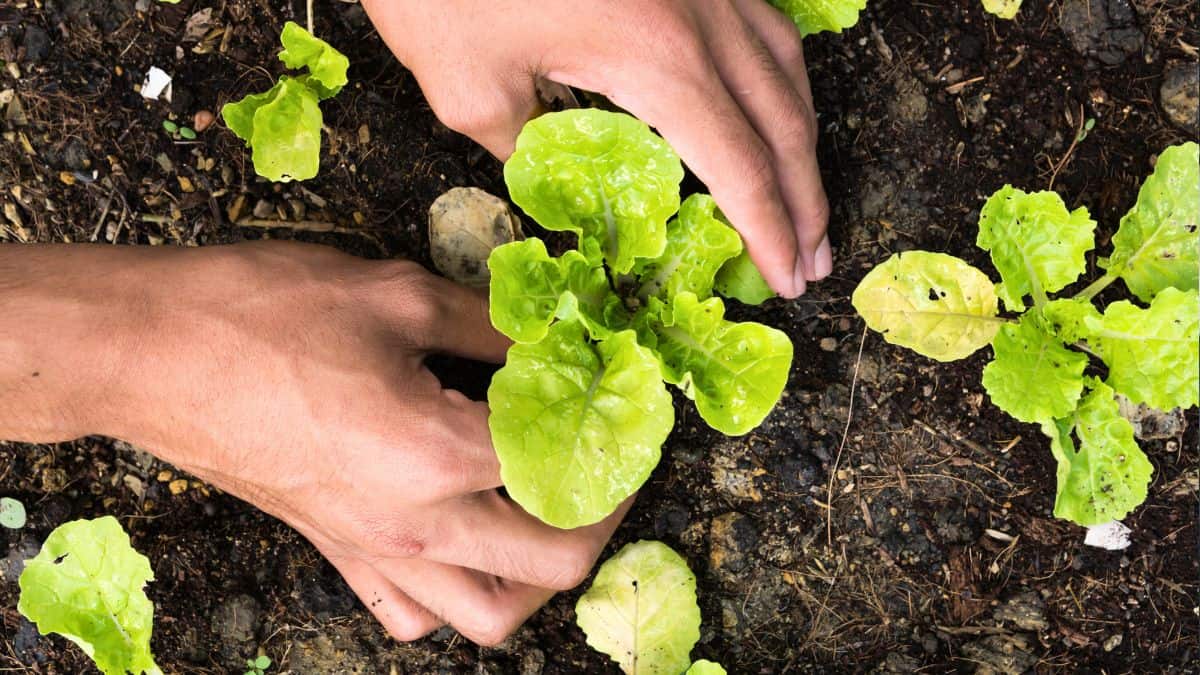
Lettuce is a cool weather crop, not a heat lover. Spring and fall are your windows.
Spring: Sow seeds as soon as the soil is workable (above 40°F). Lettuce loves 55–65°F for germination.
Fall: Start seeds 6 weeks before your first expected frost. Hot soil? Water it deep and cover with straw for a week to cool it down.
You can direct sow almost all types (except crisphead, which prefers a head start indoors). If you’re starting inside, give seedlings 4–6 weeks before transplanting.
Where to Plant Lettuce
Lettuce wants full sun, but if you live in a warmer zone, some shade won’t hurt and might even help delay bolting.
Give it:
- Loose, well-draining soil
- Compost worked in before planting
- A soil pH above 6.0
- A weed-free space (tight planting helps with that)
- Bonus: rows of garlic or chives nearby help keep aphids off
How to Plant Lettuce (Without Overthinking It)
Lettuce seeds are tiny. They need light to germinate, so don’t bury them deep, just ⅛" to ¼" under the soil.
Direct sowing:
- 10 seeds per foot
- Rows 12–18" apart
- Thin once they’ve got 4 true leaves
- Leaf lettuce = 4" apart
- Romaine + Butterhead = 6–8" apart
- Crisphead = 10–12" apart
- Save the thinnings as microgreens for lunch. Don’t waste a thing.
Transplanting:
- Water deeply after planting. They’ll bounce back quickly. They’re tougher than they look.
Caring for Lettuce
Keep the soil evenly moist. Wilted leaves mean it’s thirsty.
Brown edges? That’s inconsistent watering. Trim and fix your schedule.
Mulch helps keep moisture and soil temps steady.
Lettuce can be watered midday if it’s wilting it actually helps cool it down.
Fertilize with something nitrogen-rich (like alfalfa meal) about 3 weeks after planting.
What to Know About Bolting
Bolting = the plant sending up a seed stalk and turning bitter.
- Usually happens when temps hit 70°F+
- Once it bolts, it’s done. Lettuce doesn’t come back from that.
- Delay it by:
- Using shade cloth
- Planting near taller crops that provide some shade
- Harvesting early and often
When + How to Harvest
The crispest, sweetest lettuce comes in the morning.
Harvest:
- Leaf, romaine, and butterhead: take a few outer leaves at a time, or cut the whole plant back to 2" above soil.
- Crisphead: pull the entire head when the center is firm.
Letting it go too long = bitter leaves. If it looks good, eat it. There are no rules here.
How to Store Lettuce (Without It Going Sad and Slimy)
Lettuce needs airflow to stay crisp.
- Cut off the end and separate the leaves
- Soak in a big bowl of ice water
- Drain + leave slightly damp
- Store in a container like this one or basket lined with damp towels in the fridge
- Keeps for 3–5 days
Growing lettuce isn’t about performing homesteading. It’s about reclaiming something simple and seasonal. It’s about knowing you can grow your own food, even if it’s just one crop in a pot on the porch.
Lettuce is low drama. High reward. And full of that quiet spring magic that reminds you that you’re still growing too.
Want more feral, practical, no-BS seasonal skills? Follow along:
- Facebook at @the Rustic Elk
- Instagram @TheRusticElk
More Wild Food & Hands-On Traditions to Check Out:


Chris Smith says
Wonderful post and very informative. You should write a book.😊
Danielle McCoy says
Thank you 🙂
Paul Rosenfeld says
I found lettuce easy to grow, but keeping the deer away from it proved impossible. I never ate a leaf. 🙁
Danielle McCoy says
That stinks. I recommend planting deer-resistant plants around what you don't want to be eaten, fencing with deer fence, and/or trying to protect your lettuce with row covers possibly reinforced with something a bit more sturdy depending on how brazen your local deer population is.