
Ducks, wild and domestic, are a lot of fun. Raising ducks on your homestead is a great way to get eggs and meat without some of the challenges of raising chickens. However, before you dive in, what do ducks eat?
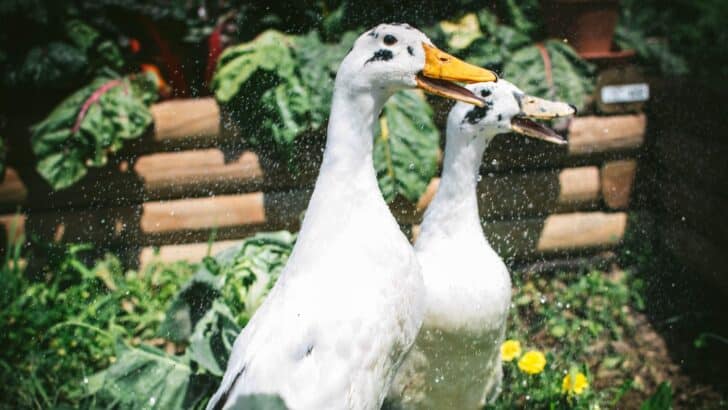
There are a lot of misconceptions out there about properly feeding your ducks. Some people believe feeding wild ducks at all is a bad idea, while others believe that giving their backyard ducks a bag of chicken feed will be adequate. Both of these are untrue, so let's discuss what we should, and shouldn't, feed our feathered waterfowl friends.
What do ducks usually eat?
Wild ducks, as well as domestic ducks, eat a wide variety of food and have different nutritional requirements than other birds. They are omnivorous birds and fantastic foragers whether they're wild or not. Insects, larvae, seeds, grass, and greens are some of the natural foods ducks eat to provide them with balanced nutrition.
Ducks are natural foragers and will eat a lot of food. In fact, adult ducks will eat almost a half pound of food per day, averaging between 6 and 7 ounces total, that's quite a bit of food!
When domestic ducks are allowed to free range, they will roam around, year-round, looking for goodies. They dig into the soil, which makes quite a mess, with their bills to dig up any goodies they can find beneath the surface.
Insects
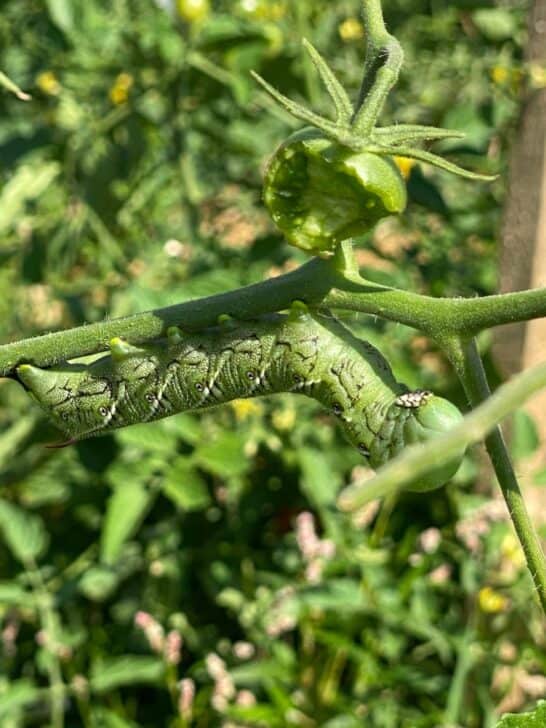
A lot of people will allow their ducks into the garden to eat any small insects and other low-lying pests off of the produce. This is a great practice and your ducks will not harm your plants as long as they're not tender seedlings. Many orchards utilize ducks as natural pest control to eat up snails and the like off of the trees.
When ducks have access to a water source, they will readily eat mosquito larvae, aquatic invertebrates, and other aquatic insects.
An option for ducks you don't want in your garden would be to gather the bugs like tomato hornworms, squash bugs, and cabbage worms and just toss them to your ducks (or take them to your local pond) if you don't want the ducks in the garden, or don't have your own ducks.
Weeds and Seeds
Another thing ducks are good at is weeding. While traditionally people used weeder geese on large farms to help keep weeds in check, ducks are definitely another option. Both birds will dig into the ground and eat weeds readily.
We usually pull weeds out of our garden and make a big "salad" for our backyard ducks by putting all the grass and other goodies in a bowl for them. It's one of their favorite "treats". The same could be done for your local wild ducks by pulling the weeds out of your garden and tossing them out for your friends as a treat.
It's important to note that you should be sure none of the weeds were treated with chemicals to combat them, so pulling weeds from an unknown location isn't a good idea.
Seeds and greens are other favorites. So pulling a few leaves from your growing spinach or giving them a flower head will make them some of your best buds.
Worms
Our ducks absolutely love a good worm. Rainy days are some of their favorite days. Unlike our chickens, they'll come out and flap around and make messes in the mud while foraging for surfacing earthworms.
After a good rain, I'll often pick up the buckets and such laying around the yard and toss them an earthworm or two, they always beat the chickens to the worm regardless of the weather.
Lifting up rocks and other things is a great way to find hiding worms to toss to your feathered friends.
Aquatic Plants
In nature, ducks will eat aquatic plant life out of their local water sources. If you have a duck pond, they'll do the same. They'll readily dine on pondweed, wild celery, coontail and milfoil when given the opportunity.
Berries
Ducks love to forage through berry patches and will quickly gobble up any they can find, so if you want to keep your strawberries for yourself, you'll want to make sure they cannot access them.
But, if you want to give them a nice treat, especially on a hot summer day, pulling a few berries or letting them forage through the wild berries on your property will be a hit.
Fish
Yes, ducks will eat fish. A typical diet will consist of small fish and fish eggs. If you have a pond, they'll eat the smaller fish in it. If you want to provide a treat, things like tadpoles, minnows, and smaller crustaceans like crayfish are sure to be appreciated by ducks of all types.
Is bread good for ducks?
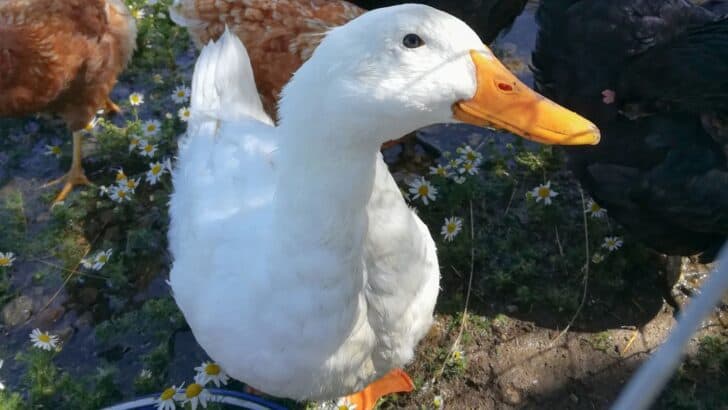
I remember going to the park as a child and watching the wild ducks and geese that frequent the small stream running through it. The locals would often feed them bread and other high carbohydrate foods. Even then, I wondered if it was ok to feed them such things.
As it turns out, it isn't a good idea.
Whether you're feeding domesticated ducks in your backyard or wild ducks at the local park, none of them are going to thrive on bread and potato chips. In fact, you won't either, but that's a story for another day. Ducks have nutritional needs that will never be fulfilled with empty-calorie carbohydrates from human food.
It's actually never a good idea to feed ducks white bread, even as an occasional treat. It has little nutritional value and can be detrimental to their health.
Bread also, whether you're tossing it out to your flock in the yard or at the park, can attract mice and other rodents which can create another problem in and of itself. Especially if you're feeding your own flock and trying to repel mice from your house and outbuildings.
Some folks think feeding moldy and stale bread is ok in small quantities, but it isn't. Several types of mold are fatal to ducks.
What are the best foods to feed ducks?
A duck's diet will consist of a lot of naturally foraged food, wild or not. But, if you need to feed your own backyard flock, a pet duck, or want to give the wild ducks a little treat, the following options are all great ideas and will help the ducks have a varied diet.
Layer Feed
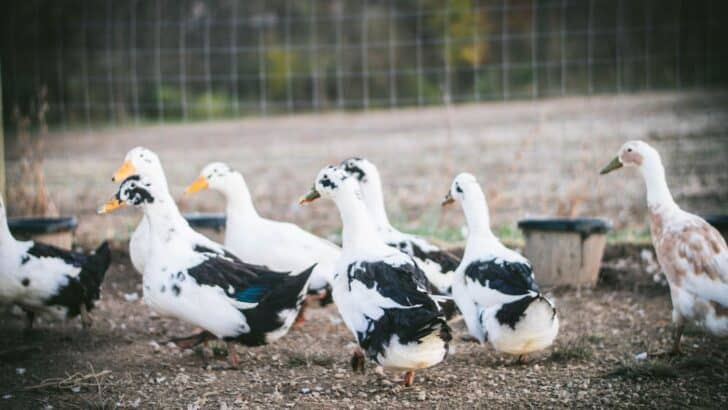
Ducks eat layer feed pellets available at your local feed store. This is especially true for backyard flocks, but you can also feed wild populations small amounts of this, too. I recommend a whole grain layer feed such as scratch and peck to provide them with essential nutrients. However, layer pellets are also acceptable. Do not feed ducks layer crumbles as they can choke on it.
If you are feeding baby ducks, their needs are a little different than what's available in chick starter to ensure healthy growth. Be sure to supplement their feed with niacin, brewer's yeast is a great option, in order to avoid angel wing.
Oats
Rolled or quick oats are fine for ducks. They don't need cooked, though you can feed them a warm cup of prepared oatmeal on a cold day to warm them if you want to.
Whole Grains
Any whole grain will do wheat, barley, oats, etc.
Birdseed
Any type of bird seed is fine for ducks, wild or domestic.
Sunflower Seeds
Black oil are our favorite to keep on hand, but any type of sunflower seeds will be just fine.
Peanuts
Chopped, shelled peanuts are a great snack for ducks, especially in the winter time.
Frozen Peas
There aren't a lot of human foods you should feed a duck. But, a great treat for ducks is frozen peas. Ours love it when we throw frozen peas in the water for them to eat, they enjoy chasing the floating peas around.
Cracked Corn
While a lot of layer feed and the like contains corn, ducks don't really need it, it's just an empty filler. If you do feed corn, I highly recommend using organic corn. But avoiding it altogether isn't so bad, so it's last on my list.
Tips for Feeding Ducks
- Pet ducks should have access to food a water source at all times. They need fresh water in order to eat as ducks do not chew. Be sure all foods are in small pieces to avoid choking.
- Feeding wild ducks should be done sparingly, on an occasional basis only so they aren't overfed.
- If feeding wild ducks, stop when they are no longer interested in eating.
- Don't leave leftover food lying around, it can rot and cause algae blooms that affect wildlife as well as attract large rodent populations.
- Be mindful of wild waterfowl, especially families of waterfowl, as they can become aggressive and will attack.
- Follow local rules, regulations, and laws when it comes to feeding wild waterfowl. Some ordinances prohibit the feeding of wildlife, so be sure you know the rules.
Whether you're feeding the local park ducks or ducks in your backyard, there are plenty of nutritious treats to give them a little treat while making sure you're providing them with a safe, balanced diet.




Leave a Reply