
If you're a chicken owner, you're probably wondering when your fluffy little friends will start laying eggs. Well, the answer to that question depends on a few factors, but don't worry, I'm here to help you out. We will discuss when your backyard chickens will begin laying eggs, from typical age to tell-tale signs, to ways to encourage those first eggs!

What age do hens start laying eggs?
The average age for a hen to begin laying is around 6 months of age or 24 weeks. That said, female chickens can lay as early as 18 weeks while other chicken breeds won't lay until closer to 8 months. We've found the sweet spot for our hens to be about 22 weeks or not quite 6 months.
This timeline varies based not only on the breed of chicken (each breed is different), but also the time of year.
If you get baby chicks later in the summer or early fall, like we did this year, those darker days can mean delayed laying, although most chickens will lay fairly consistently through their first winter (fewer eggs than typical, but still consistent).
But, if you notice your young hens aren't laying quite yet and it's December when they come of age, don't fret, it could just be the weather causing them to conserve their energy... they'll lay in due time, I promise.
Chicken Breeds and Egg Laying

Again, breed has a lot to do with not only when a chicken will start laying, but also how productive they will be. If you want to raise chickens solely for high production, you should consider raising black Australorps, Rhode Island Reds, Leg Horns, and/or Sex Links.
If you want to raise chickens to add colorful eggs to the basket then Easter Eggers or some Cream Legbars will be up your alley.
Other, heavier breeds such as Orpington and Barred Rocks can take a little longer to mature but will ramp up production once they do.
Personally, we have reduced our flock significantly and have just a handful of my favorite breeds, New Hampshire Reds, and a couple of Easter Eggers and it works out wonderfully for us. Not a lot of people talk about the New Hampshires, but I have found they are the ultimate dual-purpose chicken.
About Winter Egg Laying

A lot of folks think that chickens lay eggs year-round since eggs can typically be purchased at the grocery store in abundance year-round. However, this isn't typically the case.
While chickens will lay, especially that first winter before they reach a year of age, they don't lay nearly as many eggs in the winter. This has a lot to do with day length. A chicken requires 12-14 daylight hours to produce a single egg, and we don't have 12-14 hours of daylight in a single day in the wintertime.
Commercial egg-laying farms utilize artificial light to cause their chickens to continue laying throughout the cold winter. While you can technically add supplemental light to the coop to encourage laying, chickens naturally slow down laying in the winter to preserve that energy for staying warm.
We personally do our best to help keep our chickens warm in the winter months by winterizing their coop and giving them some extra treats to warm them on particularly cold days and let their bodies do what's natural all winter.
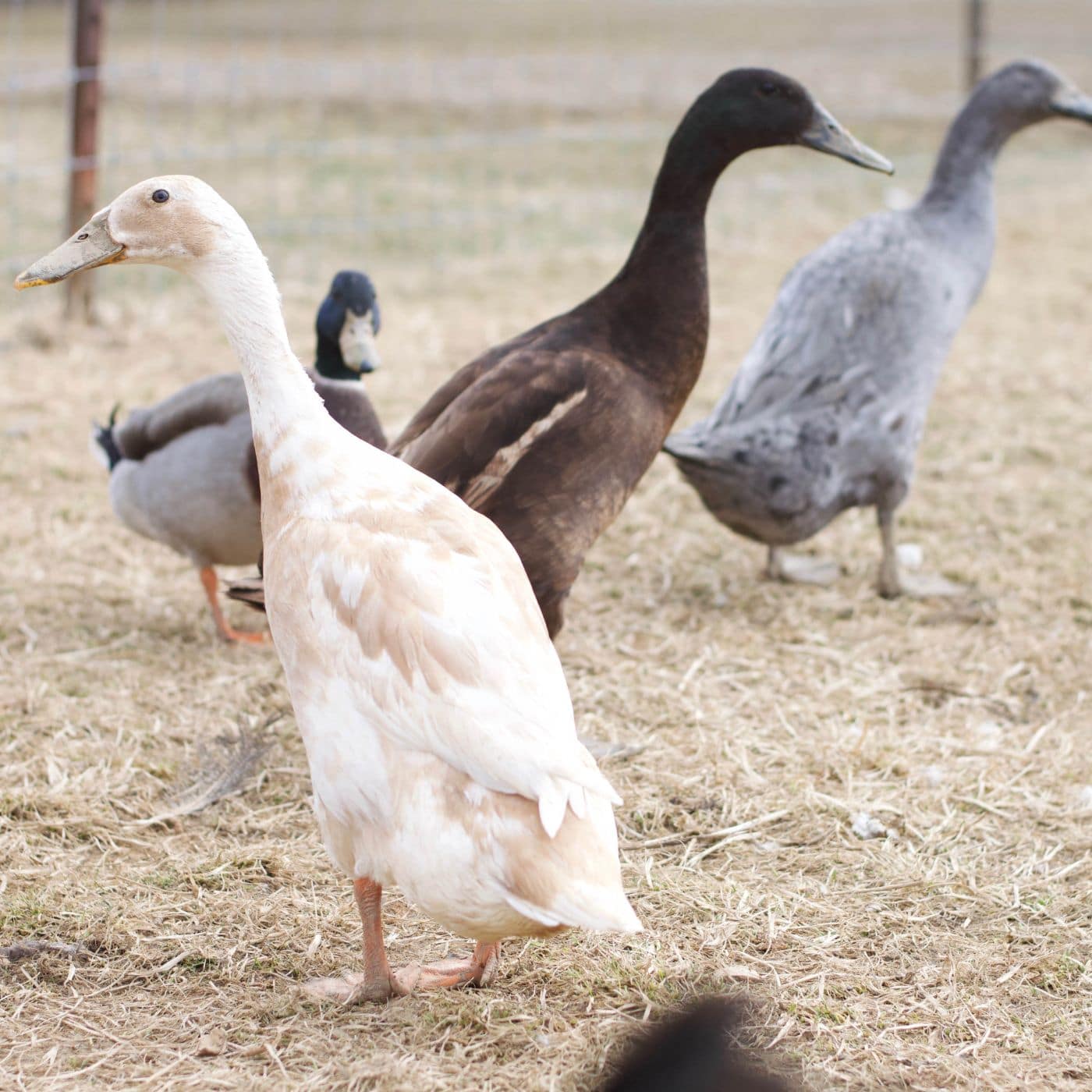
For eggs in the winter we waterglass eggs from the productive summer months to use. We also raise ducks to keep fresh eggs during the winter as they continue laying in the cold.
7 Signs a Chicken Will Start Laying Eggs Soon
01 Deep Red, Enlargening Comb & Wattles

The combs and wattles on chickens will get larger as they mature. If this happens particularly early, around 8 weeks, it's very possible that the chicken is a cockerel and not a pullet.
As a pullet begins to mature into a hen, her hormones start to kick in and her comb and wattles will begin to change from a lighter pink to a deep, dark red color. They will also begin to swell and enlarge.
02 Pullets Appear Grown With Fresh, Full Feathers

Young chickens go through a sort of metamorphosis between hatch and laying age. When they're "teenagers" before they begin laying, their feathers can look a little... scraggly to say the least.
Once young pullets come into maturity, they will have fresh, clean feathers and appear more like full-grown, adult chickens. Beforehand, they may have bare patches where they've lost some of their first feathers or be a little on the skinny side as they're still growing.
03 Exploring the Nesting Boxes
When laying hens get closer to laying their first egg, they will begin checking out the nest boxes in the chicken coop more readily. They may even test it out and sit inside.
Chickens like to lay eggs where there are other eggs, so you can encourage your hens to lay inside the nesting boxes as opposed to some random place that requires you to have a daily Easter egg hunt, by placing some fake eggs inside of the nesting box.
04 Increased Appetite

The egg-making business requires a lot of energy and nutrition! As your young female chickens get closer to laying, you will notice an increase in their appetite. They'll forage more, eat more ration, and remind you of teenagers raiding the refrigerator.
While young chicks eat a "starter" or "grower" feed, mature chickens typically eat complete layer feed that has less protein and more calcium to help with proper eggshell formation. If they aren't fed layer ration, the result is soft shells.
You can begin feeding your hens a layer feed once they have reached 18 weeks of age or begin laying, whichever occurs first. Once they begin laying eggs, you can put out a free choice oyster shells or crushed eggshells for them for extra calcium to help eggshell creation.
05 The "Egg Song"
When chickens get close to laying age, they'll often become loud, squawking and singing what most of us chicken owners call the "egg song".
Chickens can sing for hours before and after laying an egg, even joining in chorus with each other, so they can get quite loud for a while before they quiet down. If you notice your chickens being more vocal than they have in the past, they're probably getting close to laying those first eggs!
06 She'll Squat
If you walk by or reach out to pet, your chicken and she squats down... egg laying is typically on the horizon within a week or two!
When chickens reach sexual maturity and start developing eggs, they'll go into a submissive squat position for a rooster to mount them to allow the fertilization of those forthcoming eggs! So, if you notice this behavior, with or without a rooster, from your hen... she's getting very close.
07 The Bones in Her Pelvis Separate
As a hen matures, much like a human, the bones in her pelvis will begin to widen and separate to allow the passage of an egg.
There are three prominent bones in a chicken's pelvic area that can be felt by cradling your chicken up against your body with her head facing your back. Cradling the chicken and her feet with one hand, place your other hand on her rear. If those three bones have separated, she's close to laying. If they're still close together, you've got a few more weeks.
Can I Encourage My Chickens to Lay Eggs?

Sort of. There's no rushing nature, a hen lays her first egg precisely when she's meant to. That said, there are a few things you can do to encourage her to lay.
Allow the hens to free-range as much as possible, or at least have access to a very large outdoor run. Hens need fresh air, sunlight, and lots of room to roam and peck around. So, giving her access to these things can help encourage nature to take its course.
Always make sure you have a nesting box area with comfortable nesting material before a chicken is of laying age. Again, putting some fake eggs in the box can help encourage her to utilize those boxes when the time comes.
Begin feeding a layer ration once they reach 18 weeks of age, or begin laying, whichever comes first. This chicken feed is different than starter/grower and has the calcium they need for proper egg production. Again, once they start laying, you can supplement calcium with a free choice oyster shell or crushed egg shell.
We love using the Kalmbach chickhouse reserve for our chicks and the henhouse reserve for our layers. Another great, whole grain option, is scratch and peck, but that isn't available locally to us so we switched to Kalmbach and love it!
They're Laying Eggs, When Do They Get Bigger?
Those first eggs from a chicken are small, dainty eggs. And while delicious, and totally okay to eat, they're not the large eggs we're typically used to from the store!
As they continue laying, the eggs will get larger. A hen will typically reach about 10 months of age before her eggs are the large or jumbo size we're used to seeing, but they'll gradually increase in size between the time she lays her first egg and 40 weeks.
This is, of course, assuming that your chicken is a breed that lays large eggs. While most production and dual-purpose breeds do, if you are raising bantams or fancy breeds, their eggs will stay on the small side.
When Do Chickens Stop Laying Eggs?
Hens will reach peak production between 2 and 3 years of age. Their first year is spent growing to maturity, then their production ramps up in years 2 and 3.
After they reach 3 years of age, a chicken will decline in production by about 10% per year until it's no longer laying.
Once they start laying eggs, you can learn more about washing those delicious fresh eggs here!
Other Posts on Raising Chickens to Check Out:
- What to Know BEFORE Getting Chickens
- Pros Versus Cons of Free Ranging Chickens
- 12 Meat Chicken Breeds Perfect For Your Small Homestead
Did you find this information useful? Have anything to add? I'd love to hear about it in the comments section below! You can also tag me on Instagram @therusticelk with all your chicken-keeping fun!



Leave a Reply