
Thinking about free-ranging chickens? Discover the benefits and challenges of letting your chickens roam freely to make the best choice for their well-being.

We recently took a big step and adopted our very first chickens. It was a thrilling decision, and I couldn’t wait to start this new chapter in our homesteading journey. Right from the beginning, I knew that deciding whether or not to let our chickens roam freely was going to be a significant choice. While the idea of free-ranging seemed like the ultimate way to make them happy, there are a lot of factors to consider.
As we explore the world of backyard farming, it's essential to consider whether free-ranging chickens truly lives up to its reputation. Could free-ranging be the best choice for your flock? Let’s dive into the pros and cons to help you determine the most suitable approach for your feathered friends.
The Free-Range Chicken Dilemma: Pros vs. Cons
When you’re pondering whether to let your chickens roam free, it’s easy to assume that the answer is clear-cut. After all, who wouldn’t want to see their chickens happily pecking around in the yard? However, there are several considerations that might make you pause and think.
The Bright Side: Pros of Free-Ranging Chickens
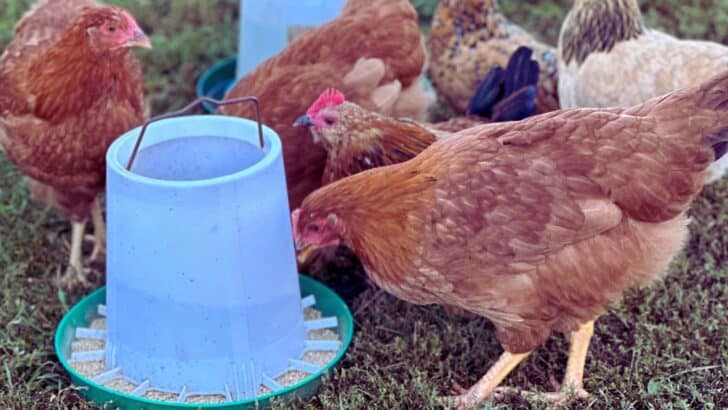
Room to Roam: One of the biggest advantages of letting your chickens free-range is the sheer space they have to explore. Chickens love to stretch their legs and scratch at the ground. With ample room, they can indulge in their natural behaviors, making for a happier and healthier flock.
Exercise and Enrichment: Chickens are active creatures and need plenty of exercise to stay fit. When they’re free-ranging, they get to run around, dig in the dirt, and engage in natural foraging behaviors. This not only keeps them physically active but also mentally stimulated. Observing them as they discover new corners of the yard and interact with their environment can be a joyful experience for any homesteader.
Natural Foraging: Free-ranging chickens can eat a variety of natural foods that they wouldn’t get from a standard feed. They forage for insects, worms, and plants, which can contribute to a more balanced diet and less reliance on commercial feed. Additionally, this foraging behavior can help reduce pests in your garden, as chickens are excellent at controlling bugs and weeds.
Enhanced Egg Quality: Many chicken keepers find that hens which are allowed to roam freely produce eggs with richer flavors and more vibrant yolks. The diverse diet and increased activity can lead to healthier hens and better-quality eggs.
The Flip Side: Cons of Free-Ranging Chickens
Potential for Escaping: While chickens might initially stick close to home, it’s not uncommon for them to wander further afield over time. This can lead to them getting lost or even stolen. It can be distressing to think about, especially if you’ve invested time and care into raising them. Keeping them within a secure area is vital to prevent such unfortunate situations.
Predator Risks: Free-ranging chickens are more vulnerable to predators like dogs, cats, and wild animals. Even if you’re able to monitor them during the day, predators can strike when you’re not looking. It’s a constant concern that requires vigilance. Consider investing in protective measures like motion-sensor lights or guard animals if you’re in an area with a lot of wildlife.
Health Hazards: Chickens might eat things that are harmful to them when they’re roaming unsupervised. From toxic plants to harmful substances, it’s essential to ensure your yard is safe and free from potential hazards. Regularly inspect your chicken run and yard to remove any dangerous items and ensure that the environment is safe.
Road Hazards: Chickens are notorious for wandering into the road, which can be dangerous. The classic joke about chickens crossing the road has a somber side when it comes to the safety of your flock. If your property is near a busy road, you may need to take extra precautions to keep your chickens from straying into traffic.
Unpredictable Behavior: Chickens can sometimes exhibit unpredictable behavior when free-ranging. They may start digging up plants in your garden or scratching at freshly seeded areas. This can lead to frustration for gardeners and might require additional measures to protect your plants.
Finding a Balanced Approach to Free Ranging Chickens

With every decision, there’s often a middle ground that might offer the best of both worlds. Rather than going entirely free-range or keeping your chickens cooped up, consider a solution that balances their need for freedom with their safety.
One approach I’ve found to be incredibly effective is creating a spacious run attached to their coop. This setup allows your chickens to enjoy the benefits of roaming without the risks associated with complete freedom. Here’s what I recommend:
Space Requirements: Ensure your run provides at least 10 square feet of space per large chicken. This gives them ample room to move around comfortably and engage in natural behaviors without feeling cramped.
Feed and Forage: You can grow your own fodder or keep some organic feed available in the run. This ensures they have access to nutritious food even when they’re not free-ranging. You can also supplement their diet with treats like mealworms or kitchen scraps to keep them happy and healthy.
Portable Fencing: Consider using portable fencing that you can move around your yard. This allows you to offer fresh areas for foraging while still maintaining control over their environment. Portable fencing can also help manage areas of your yard that may be more prone to damage or wear from constant chicken activity.
Hydration: Always make sure your chickens have access to plenty of clean water. Hydration is crucial for their overall health and well-being. Adding a few water stations in different areas of the run can help ensure they stay well-hydrated.
Portable Coop: A portable coop is another great investment. It allows you to move their shelter around with the fencing, so they can continue to lay eggs in a safe, clean environment. There are many plans available online if you’re interested in building your own. A portable coop also makes it easier to clean and manage waste, keeping your flock in a healthier living space.
Why I Prefer This Balanced Approach
You might think I’m taking the easy way out, but I truly believe this approach offers the best of both worlds. Let me share why I prefer having my chickens in a large run:
Several years ago, I tried letting my chickens free-range, believing it was the perfect solution. For a short time, everything went wonderfully. The chickens were happy, and I was pleased with how they seemed to thrive.
However, the situation took a turn when my chickens started wandering farther from the yard. My Great Pyrenees, who was always a loyal companion, tried to herd them back, but this only led to more issues. One evening, as I gathered the chickens for the night, I noticed a few were missing. I found some, but two were nowhere to be found. It was a heartbreaking experience that made me realize the risks involved with free-ranging.
The loss of those chickens was a hard lesson, but it underscored the importance of keeping them safe and secure. I learned that while free-ranging can be wonderful, it comes with challenges that require careful management.
Keeping Your Chickens Safe and Happy
Ultimately, the responsibility of keeping your chickens safe and sound falls on your shoulders. It’s a role that requires dedication and a bit of creativity. By adopting a balanced approach, you can ensure that your chickens are:
Healthy: Providing them with a safe environment and proper nutrition contributes to their overall health. Regular check-ups and a balanced diet are essential for keeping your flock in good condition.
Happy: Allowing them to exhibit natural behaviors and enjoy the outdoors supports their mental well-being. Interaction, enrichment, and a comfortable living space are key to their happiness.
Safe: Taking measures to protect them from predators and hazards helps keep them out of harm’s way. This might include installing secure fencing, using deterrents, and regularly inspecting their living area.
Secure: Ensuring they have a secure shelter and manageable space helps prevent them from wandering into dangerous situations. A well-designed run and portable coop can provide a safe haven for your chickens.
In the end, whether you choose to free-range your chickens or keep them in a run, the goal is to make the decision that best supports their well-being and suits your lifestyle. By carefully weighing the pros and cons and considering a balanced approach, you can create a loving and secure environment for your feathered friends.
May your chicken-keeping journey be filled with joy, discovery, and a deep sense of fulfillment as you care for these wonderful creatures. Their clucks and chirps will surely be a reminder of the blessings and lessons that come from tending to the land and the animals we cherish.
If you found this guide on free-ranging chickens helpful, I’d love to hear your thoughts and questions in the comments below! For more tips and inspiration on backyard farming, don’t forget to follow me on Facebook and Pinterest!
Other Chicken Keeping Posts to Check Out:




CARL says
THANK YOU SO MUCH FOR THE INFO. ITS THE SOLUTION TO MY DELMIA AND A GREAT PIECE OF INFORMATION