
The Rustic Elk

menu icon
go to homepage
  • Start Here
    • About Elle
    • Contact Elle
    • Work With Elle
    • The Wild Almanac
  • Preserving
  • Recipes
  • Wild Game
  • Drinks
  • Garden

search icon
Homepage link
  • Start Here
    • About Elle
    • Contact Elle
    • Work With Elle
    • The Wild Almanac
  • Preserving
  • Recipes
  • Wild Game
  • Drinks
  • Garden

×
Home • Heritage Skills

Should You Wash Farm Fresh Eggs?

Published: July 9, 2019 • Modified: March 5, 2026 • By: Elle • As an amazon affiliate we earn commissions from qualifying purchases

Chickens, I don't know what it is about these little dinosaurs in the yard that makes homesteaders hearts sing, but they're pretty awesome, aren't they?
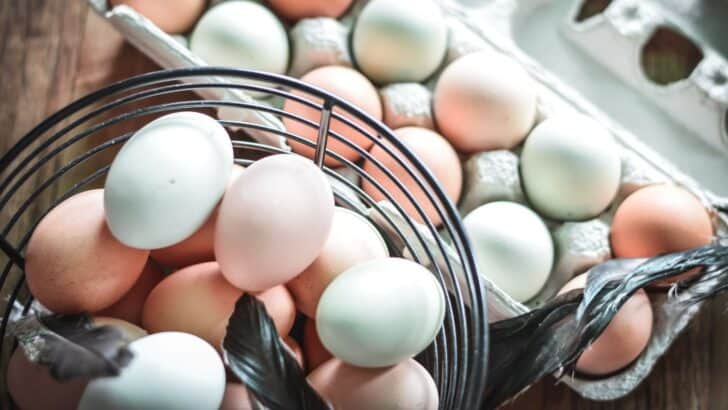
There's something to be said about the satisfaction of being able to go straight out into your yard to gather your breakfast. 

And chickens are pretty easy to care for, and a great beginning homestead animal, especially for small spaces. 

And while we typically leave our eggs, unwashed, out on the counter until we eat their delicious, yellow yolks. 

It doesn't always work out that way. 

Sometimes, there is mud. Sometimes we sell the eggs and people don't care for the extras that come with farm fresh eggs. And so, they get washed. 
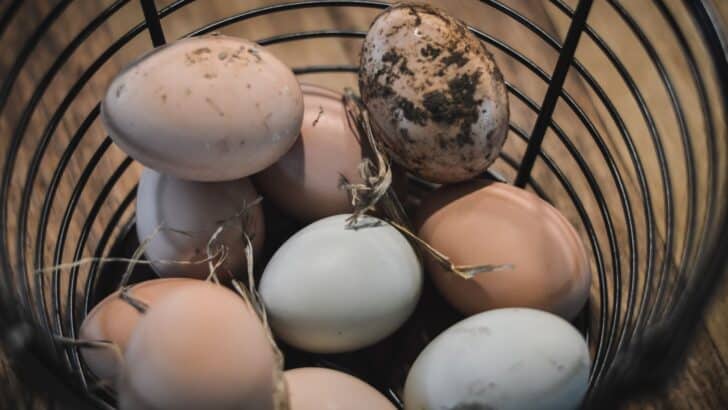
Eggs are naturally resistant to bacteria when they are laid. There is an awesome, bacteria-resistant layer called the bloom. And that layer keeps all the nasties out of your eggs. As long as they are unwashed. 

Whether they're refrigerated or not. 

In fact, the United States is one of the only countries that refrigerates eggs, or even washes them for that matter. 

But, that's another story, for another day.

So, what do we do with the icky, gross eggs caked with mud, poo, or other unwanted grossness that we don't care to serve for breakfast?

Prevent The Eggs From Getting Dirty

I know... it's not always possible. I mean, most of us have a mud farm at least 4 months out of the year. And no matter how hard we try, they get disgusting quick. And my ducks? They seem to love to forgo the coop altogether and lay their eggs outside in one of their many little mud holes. But, I digress. 

Sometimes, eggs just get gross. But here are some tips to keep them from getting too dirty.

  • Freshen the bedding in the nesting boxes frequently. A quick daily spruce of nesting boxes goes a long way. 
  • Do not place nesting boxes near roosting areas. The closer they are, the more poo that will accumulate.
  • Do not place nesting boxes near the coop door. A short walk through bedding will keep the chickens from tracking the mud into the box.
  • Collect eggs frequently. We aim for twice a day. 
  • Place nesting boxes lower than roosting areas. This will discourage them from roosting on the nesting boxes. 

How to Wash Farm Fresh Eggs

Note: eggs that are washed no longer have the protective bloom, they have to be refrigerated. 

Wash without water

This method should leave the bloom intact. However, I opt to refrigerate these eggs, just in case. Note that this method will only work for lightly soiled eggs. 

Grab a scrubby sponge, we like to use these scrubby sponges. And gently remove the poop and mud from the egg in a circular motion. This works great for smaller amounts of dried mud and poo. 

Wash with water

Sometimes, there's just too much mud and goop on the eggs to scrub them with a sponge. In that case, you'll need to use water. You only need water. You do not need bleach or vinegar or anything else. Just warm water. 

These eggs will have to be refrigerated as the washing will remove the bloom. 

Do not use cold water to wash eggs. It creates a vacuum and will actually force bacteria inside the egg. Nobody wants that. Just warm up the tap and let's get to it. 

I just turn the tap on warm, grab my scrubby sponge from the windowsill and get to washing. It only takes a few seconds to gently remove the goop from the egg. Some people put warm water in a bowl and get the eggs wet, then wash. I dunno, I guess I don't like extra dishes for two second egg soaks. 

Once you've removed the yuck from your dirty eggs, grab a towel and dry it. Throw it in a carton and put it in the fridge. We eat the washed eggs first. Because they don't stay fresh near as long. 

Other Farm Fresh Chicken Posts You'll Love:

  • Raising Laying Hens: What You Need To Know
  • How to Prevent Frozen Chicken Eggs in the Winter
  • 8 Reasons You Need Ducks on Your Homestead

More Heritage Skills

  • Close-up of handmade wax fire starters in natural parchment liners, featuring pinecones, dried lavender, and cinnamon sticks. A warm, rustic setting with soft linen and green fabric in the background.
    How to Make Natural DIY Wax Fire Starters
  • image featuring natural squirrel repellents arranged on a rustic wooden surface. Items include a small bowl of cayenne pepper, an amber spray bottle, fresh mint leaves, and a scattering of black peppercorns. Soft, dramatic lighting emphasizes the natural textures and earthy tones, creating a practical and inviting setup for home and garden pest control.
    Best Natural Squirrel Repellent Ideas for Home
  • Silver Appleyard ducks in a yard
    Silver Appleyard Ducks - Everything You Need to Know
  • A basket full of fresh chicken eggs with a carton of blue eggs and brown eggs in the background.
    When Do Chickens Start Laying Eggs?

Leave a Reply Cancel reply

Your email address will not be published. Required fields are marked *

This site uses Akismet to reduce spam. Learn how your comment data is processed.

About

Elle McCoy, author of The Rustic Elk, with long wavy hair reflected in an ornate vintage mirror, sitting at a candlelit vanity with makeup brushes, perfume, and dried flowers.

Hi, I'm Elle.

I'm a storyteller, photographer, and home cook who believes the best memories are often made around the table.

Here you'll find seasonal recipes, preserving, smoky dinners, garden harvests, and the stories gathered along the way—because good food is about more than what we eat. It's about where we've been, who we share it with, and the moments we remember long after the plates are cleared.


→ Meet Elle

Currently...

📖 Reading: The Eyes are the Best Part
🎵 Listening: Gathering the Beautifully Ordinary
Savoring: Peach Whiskey Sour
🌿 Growing: All the Herbs
🗺️ Planning: Back to School
📺Watching: Lee Cronin's The Mummy

Browse by Category

  • Preserving
  • Wild Game
  • Recipes
  • Drinks

Recently...

  • Homemade canned peach pie filling in Ball mason jars made with fresh peaches, Clear Jel, cinnamon, and vanilla using a safe water bath canning recipe.
    Canning Peach Pie Filling
  • Wooden pantry shelves filled with homemade canned tomatoes, green beans, jams, and preserves in mason jars.
    The Ultimate Guide to Home Canning & Preserving

Recent Favorites

  • Slewfoot by Brom
  • Maeve Fly by CJ Leede
  • We Used to Live Here by Marcus Kliewer
  • The Last Time I Lied by Riley Sager

Listen with Me

"If we are not remembered, we are more than dead, for it is as if we had never lived." Karen Maitland

Found Along the Way

A good paring knife doesn't ask for much attention, but it earns its place every single day. From peeling peaches to hulling strawberries and slicing garlic, it's the one tool I reach for without thinking.

Find it Here ->

Footer

↑ back to top

The Fine Print

  • Privacy Policy
  • Disclaimer
  • Terms & Conditions
  • Accessibility Policy

Stay Connected

  • Join the Newsletter
  • Contact
  • Facebook
  • Pinterest
  • Amazon
  • TikTok
  • Instagram

Building a life smelling of wild herbs and quiet rebellion since 2016.

Explore

  • Home
  • About
  • Preserving
  • Recipes
  • Wild Game
  • Drinks
  • Garden

As an Amazon Associate I earn from qualifying purchases.

Copyright © 2026 The Rustic Elk