
Keeping chicken eggs from freezing during harsh winter months is crucial to preserving your flock's productivity. Here’s how you can prevent frozen eggs and make the most of those that do freeze.
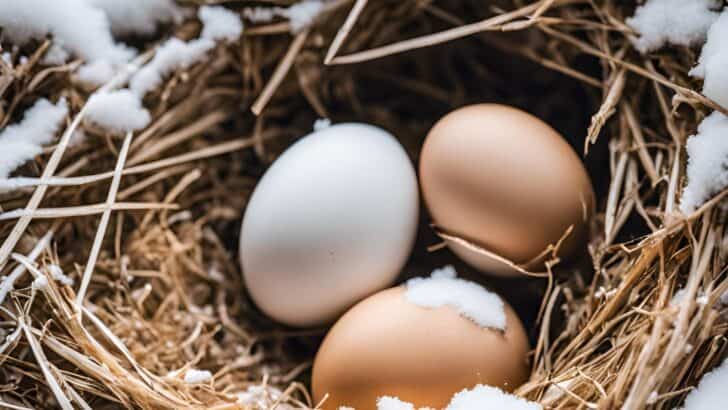
It’s that time of year again when the bitter cold settles in, and with it comes the challenge of keeping our chickens safe and warm. When the temperatures dip to a bone-chilling 30 below zero, it’s not just our own warmth that concerns us. We’re also faced with the added responsibility of ensuring our chickens are comfortable, their water is thawed, and their eggs are safe from freezing.
Winter is already a tough time for egg production, as the shorter days and colder weather naturally reduce the number of eggs our hens lay. So, when we do get those precious eggs, the last thing we want is to find them frozen and cracked. It’s disheartening to head out to the coop, full of hope, only to discover that the eggs are already frozen solid, their shells cracked and no longer the beautiful treasures we were expecting. But all is not lost. With a little planning and care, we can prevent those eggs from freezing and make sure they don’t go to waste.
How to Prevent Frozen Chicken Eggs
1. Collect Eggs More Often
One of the simplest ways to prevent your eggs from freezing is to collect them frequently. In these frigid temperatures, it can take just a few hours for an egg to freeze. To stay ahead of this, I try to check for eggs every two hours during the day. My hens usually finish laying by early afternoon, but I still make one last check when I close up the coop in the evening. If I’m lucky, the eggs are still unfrozen by then. Making frequent trips to the coop may be a bit of a chore, especially when the weather is harsh, but it’s worth it to protect those eggs.
2. Close Off Extra Nesting Boxes
Another effective strategy is to limit the number of nesting boxes your chickens can access. By closing off a few of the boxes, your hens will be more likely to share the remaining ones, which helps keep the eggs warm. When a hen sits in a box where eggs have already been laid, her body heat keeps the eggs warm for a longer period. We currently have 13 hens, and during the winter, we only offer them three nesting boxes instead of the usual six. This not only helps keep the eggs warm but also saves me from having to check and fill more boxes with straw.
3. Use the Deep Litter Method for Bedding
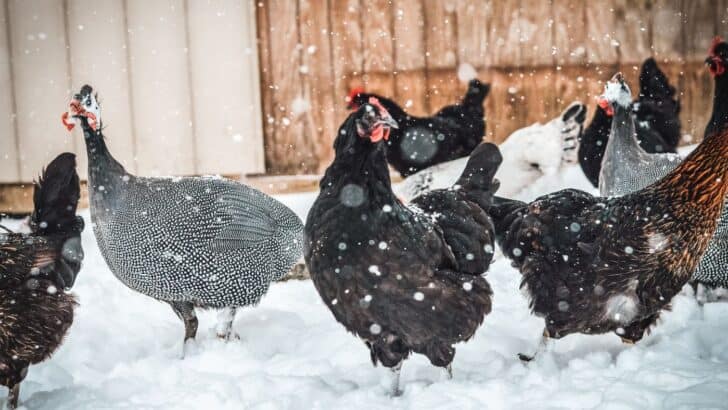
The deep litter method is a great way to keep your coop and your chickens warmer during the winter months. This method involves adding layers of fresh bedding on top of the old bedding throughout the winter. The bedding and manure underneath start to decompose, generating heat that helps keep the coop warmer. A warmer coop means warmer chickens and, by extension, warmer eggs. Not only does this method help with temperature control, but it also makes spring cleanup easier, as much of the bedding will already be composted.
4. Add Curtains to Nesting Boxes
Adding curtains to your nesting boxes might seem like a cute way to give your hens some privacy, but it serves a practical purpose as well. Curtains help to retain the heat generated by the hens when they lay their eggs. This added warmth can make a significant difference in preventing eggs from freezing, especially in the bitter cold. The curtains don’t have to be anything fancy—an old sheet or towel cut to size will do the trick.
5. Use a Thick Layer of Straw
Straw is an excellent insulator, thanks to its hollow shafts that trap warm air. During the winter, we use straw for all our bedding and nesting needs. By lining the nesting boxes with a thick layer of straw, you can help keep the eggs warmer for longer. If your nesting boxes jut out from the coop, consider piling straw bales around them to add an extra layer of insulation. You can also place straw bales underneath the boxes if they’re elevated. The goal is to create a cozy environment that retains as much warmth as possible.
What to Do With Frozen Eggs

Despite our best efforts, there will be times when an egg freezes before we can collect it. But don’t worry—frozen eggs don’t have to go to waste. Here’s how to handle them depending on their condition:
1. If the Egg Isn’t Cracked
If you find a frozen egg that hasn’t cracked, you can still use it. Simply place it in the refrigerator to thaw. Once thawed, the egg can be used for scrambling or baking. I’ve found that frozen eggs don’t always work well in recipes that require leavening, so I stick to recipes like scrambled eggs or baked goods that don’t rely on the egg for rising. Always use frozen eggs sooner rather than later to ensure they’re still good.
2. If the Egg Is Cracked but the Membrane Is Intact
If the egg is cracked but the membrane inside is still holding the egg white, you can still use it. Instead of refrigerating it, place the egg in a freezer bag and store it in the freezer until you’re ready to use it. When you’re ready, thaw the egg and use it in scrambled eggs or baking. Just be sure to cook it thoroughly.
3. If the Membrane Is Broken
If the egg is cracked and the membrane is broken, causing the egg white to leak out, it’s best to avoid using it for your own meals. However, these eggs don’t have to go to waste. You can scramble them and feed them back to your chickens or your dogs. If you choose to feed them to your dogs, you can even give them the eggs raw, as their digestive systems are better equipped to handle potential bacteria. Just be cautious—if your dog develops a taste for raw eggs, they might start raiding the coop for a snack!
Other Tips for Winter Chicken Care
Caring for chickens during the winter requires a bit of extra effort, but it’s worth it to keep your flock healthy and productive. Here are a few additional tips to help you through the cold months:
Provide Supplemental Heat: If your area experiences extremely cold temperatures, consider providing a safe heat source in the coop. Just be sure to use a heater designed for poultry, and never use a heat lamp, as they can be a fire hazard.
Ensure Access to Fresh Water: Keeping water thawed can be a challenge in freezing temperatures. Heated waterers are a good investment, or you can bring out fresh water multiple times a day.
Monitor Your Flock for Signs of Frostbite: Check your chickens’ combs, wattles, and feet regularly for signs of frostbite. If you notice any discoloration, move the affected chicken to a warmer area and treat the frostbite with a warm, damp cloth.
Taking these extra steps during the winter will help keep your chickens comfortable and ensure that you’re able to enjoy fresh eggs even in the coldest months. Remember, our efforts to care for our animals are a reflection of the love and stewardship that God calls us to in our daily lives. In the midst of winter’s challenges, we can find joy in knowing that we are providing for His creatures and that, with a little extra care, we can persevere through even the coldest of days.
I hope these tips help you keep your eggs from freezing and keep your flock happy during the winter months! If you have any other tips or questions, I’d love to hear from you—feel free to drop a comment below. Don’t forget to follow me on Facebook and Instagram for more updates and helpful tips on caring for your chickens and living a simple, grace-filled life.




Alissa says
This was very helpful! This is our first winter with chickens and we have ended up with frozen eggs a few times. Sometimes it's hard to tell if they're frozen or not, so I'm not quite sure. Good tip on putting cold eggs right in the fridge. I didn't know this, and we've still been leaving them on the counter.
Paul says
I imagine you can check if an egg is frozen just as do for a hard-boiled egg, spin the egg on your kitchen counter. If it spins sluggishly, it's not frozen because the white is still in liquid form; if it spins fast, it's frozen. Similarly, a hard-boiled egg will spin fast.
Danielle McCoy says
Hmmm, I've never tried that, though most frozen eggs are cracked because the liquid expands and breaks the shell.