Winter is the perfect time to embrace homesteading skills that keep you engaged and productive indoors. Whether you’re looking to learn new crafts or enhance your self-sufficiency, these 15 winter skills will bring warmth and joy to your season.
As winter settles in, bringing with it cold and dreary days, I find solace in the simple joys of homesteading. Whether it’s curling up with a good book from a fellow homesteader or diving into hands-on projects, this season offers the perfect opportunity for learning and growth. Not only does it keep me engaged and uplifted, but it also provides a beautiful chance to involve my daughters in meaningful activities.
The following list is a wonderful guide to homesteading skills that are perfect for the winter months—skills that can be learned indoors and enjoyed even if you find yourself in an urban setting. Let’s embrace this season as an opportunity to enrich our lives with practical and heartwarming skills.
How to Make Soap
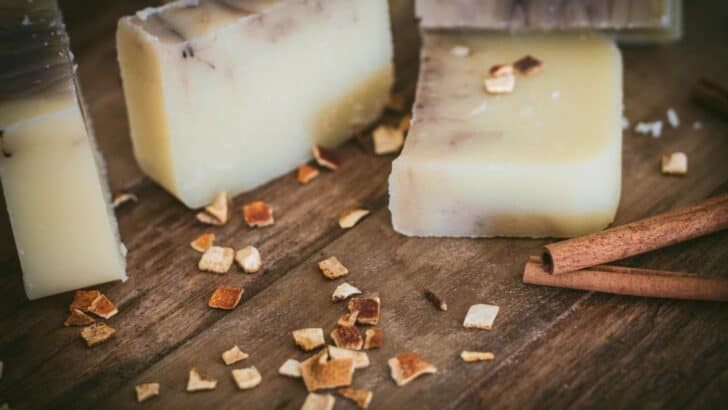
Soapmaking is one of my favorite winter activities. There’s something incredibly satisfying about crafting a product that’s both natural and nourishing. I particularly enjoy making cold-process soap. It’s wonderful knowing every ingredient, from the fats we render ourselves to the essential oils we add for fragrance. It’s a safe, enjoyable activity, especially when the whole family gets involved. My daughters love helping cut the soap into bars once it’s cured, adding a special touch to our homesteading journey.
How to Crochet, Knit, or Sew
These timeless crafts are not only soothing but also practical. While I’ve mastered sewing with a machine and can mend by hand, I’m currently honing my hand-sewing skills. Crocheting was a skill I taught myself a few years ago, and I delight in creating hats, scarves, and blankets from natural fibers. This winter, I’m excited to learn knitting, with the goal of making mittens for my girls. These skills, though they seem to be fading, are worth preserving, and I dream of raising our own fiber sheep someday. Spinning wool into thread is another skill I’m eager to explore!
How to Make Yeast Bread
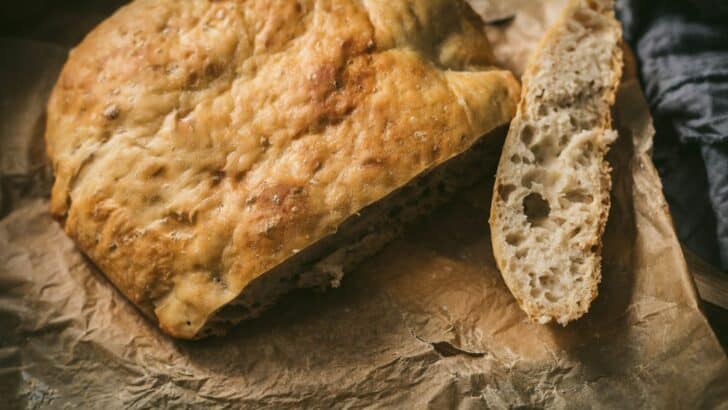
There’s nothing quite like the aroma of fresh bread baking in the oven. While we bake bread year-round, winter is the perfect time to indulge in this comforting practice. I’m perfecting my technique with dutch oven loaves and relish the process of kneading and shaping the dough by hand. If you haven’t yet tried making yeast bread, this is an excellent time to start. I’m also looking forward to experimenting with einkorn wheat for added variety.
How to Make Wine (or other ferments)
Winter is a great time to explore fermentation. Although wine-making involves patience and might not be possible with fresh fruits, you can use frozen fruits or organic options to start learning. Fermented foods like sauerkraut, kefir, and fermented ketchup are also wonderful to make and enjoy during the colder months.
How to Make Candles
Candle-making is a fun and practical winter project. We’re currently making taper candles as part of our homeschool activities. While we’ve made jar candles before, I enjoy the charm and practicality of taper candles. They’re perfect for adding warmth to our home and are useful during power outages. It’s rewarding to have a stock of candles ready for emergencies or just to brighten up a chilly evening.
How to Tan a Hide
Learning to tan hides is a new skill we’re excited to develop this year. We have a deer hide waiting for its transformation, and this skill will help us make full use of the animals we harvest. It’s a step toward ensuring nothing goes to waste and adds a valuable skill to our homesteading repertoire.
How to Make and Can Bone Broth
Winter soups and stews provide a great opportunity to perfect bone broth making. Using meat from your own harvest or locally sourced organic options, you can create nutritious and delicious bone broth. Pressure canning it ensures you have a stock of this valuable ingredient ready for any meal.
How to Make Cheese
Cheese-making is on my winter to-do list. While it’s something we currently purchase, making cheese at home sounds both fun and practical. We’ll need a surplus of milk to get started, but I’m eager to learn this skill and reduce our reliance on store-bought cheese.
How to Make Lotion
Making lotion is a wonderful winter project, and I must admit, I was a bit intimidated at first. However, it’s a rewarding process, especially when using goats’ milk for its moisturizing benefits. I’m working on perfecting different scents with essential oils and am excited to continue this project.
Herbal Remedies
Winter is an ideal time to delve into herbal remedies. Creating tinctures, salves, and tonics using herbs—whether homegrown or purchased—can support a self-sufficient lifestyle. There’s much to learn about the safe and effective use of herbs, and a good book can be a great companion in this journey.
Grow Microgreens or a Windowsill Herb Gardens
Even in the heart of winter, you can indulge in some “dirt therapy” by growing microgreens or herbs indoors. These plants are easy to care for and provide fresh ingredients for your kitchen. A windowsill herb garden can be a delightful addition to your home, bringing a touch of green to the cold season.
How to Sharpen a Knife or Axe
Maintaining sharp tools is essential for effective homesteading. Learning how to properly sharpen your knives and axes ensures they’re ready for any task. It’s a practical skill that enhances safety and efficiency in your daily work.
How to Make Homemade Household Cleaners
Creating your own household cleaners is both economical and environmentally friendly. You can make everything from laundry detergent to all-purpose cleaners using natural ingredients. It’s a great way to reduce chemical exposure and keep your home fresh.
How to Vermicompost
Vermicomposting is an excellent skill to develop during winter. It’s easy to set up and maintain indoors, making it perfect for those who might not have outdoor space. This method will provide rich compost for your garden come spring and is a wonderful way to recycle kitchen scraps.
How to Relax
Lastly, learning to relax and unwind is just as important as acquiring new skills. Winter offers a perfect backdrop for quiet reflection and rest. Pick a skill you’re interested in, settle in with a warm cup of cocoa, and enjoy a good book on the subject. This year, I’m exploring permaculture to better utilize our small piece of land. Embrace the season’s slower pace, knowing that spring will arrive soon enough.
May this winter be filled with the joy of learning and the warmth of family, and may these homesteading skills bring you comfort and fulfillment.
I’d love to hear about your winter homesteading projects and what skills you’re excited to learn or perfect this season. Share your thoughts in the comments below, and don’t forget to follow me on Facebook and Instagram for more homesteading tips, inspiration, and a supportive community. Let’s connect and make the most of this winter together!
Other Posts to Keep You Busy This Winter:



Rhiannon Lynn says
Learning about herbs is great -- I don't exactly recommend "The Earthwise Herbal" (tis 2 thick volumes, thick as LOTR!) to the, ahem, uninitiated, but Matthew Wood's other work (among many) "The Book of Herbal Wisdom" doesn't require being A) already a herbalist, B) knowledgeable (and thoroughly) in a minimum of 3, preferably 4 traditions (Chinese, Ayurveda, European, and Native American systems, taken as broad much-encompassing sweeps of knowledge) and C) willing to learn herbs' *essences* like a shaman does. Wonderfully informative and really, really, useful. You'll learn a lot of Latin and latinised Greek, too, and a LOT of medical/herbal jargon. I'm used to it, as a trained herbalist (2 years in a herbal college was kind of sink-or-swim for some things), but I know that I bamboozle my parents and even other herbalists with the quotes sometimes....but then, like Matt, I really like old herbals with interesting words and words-lost-from-modern-English.
I guess you can tell from my comments that I'm English...sort of. Not genetically, being mostly Viking (a touch of Saami, too) and Central European, but English born. Scottish raised, though, and I always get a bit of a thrill from reading about all the adventurous Americans living close to the land...it's nice to feel included, long distance or no. 🙂