
Preventing frostbite in chickens is essential for keeping your flock healthy during the harsh winter months. By following these practical tips, you can ensure your chickens stay safe and comfortable, even when temperatures drop.
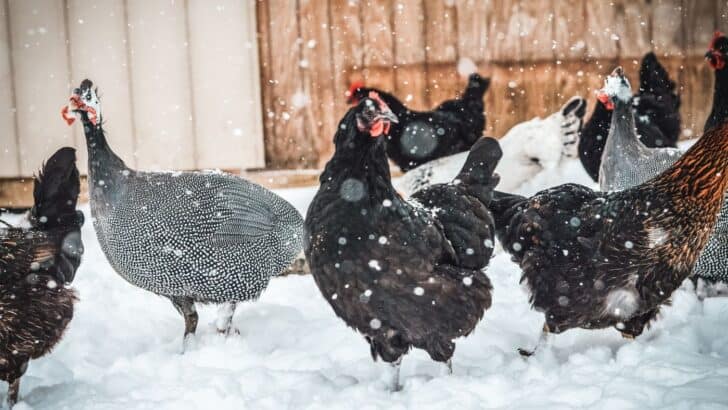
Chickens are such a blessing to any homestead, offering more than just a fresh supply of eggs—they bring life and joy to our daily routines. Their care, especially during the winter months, is a labor of love, reminding us of the patience and diligence that faith calls us to.
The simplicity of tending to chickens, especially during the harsher months, can bring us closer to the values of stewardship and care for God’s creatures. While chickens are generally low-maintenance, winter can pose some challenges, particularly with the risk of frostbite, especially for those handsome roosters with their tall combs and large wattles.
Frostbite isn’t merely a result of cold temperatures; moisture plays a significant role. Just as we protect our homes and loved ones from the elements, our chickens rely on us to shield them from the cold and dampness. Keeping your chicken coop dry and clean is essential, but it’s not the complete solution. For instance, when roosters dip their wattles into water while drinking, they can inadvertently increase their risk of frostbite. Although frostbite might not be a common concern, it’s still something many homesteaders should be mindful of during the colder months.
Here’s how you can protect your flock from this potentially painful condition, ensuring that your homestead remains a place of warmth and care, even in the depths of winter.
How to Prevent Frostbite in Chickens
1. Raise Heritage Breeds
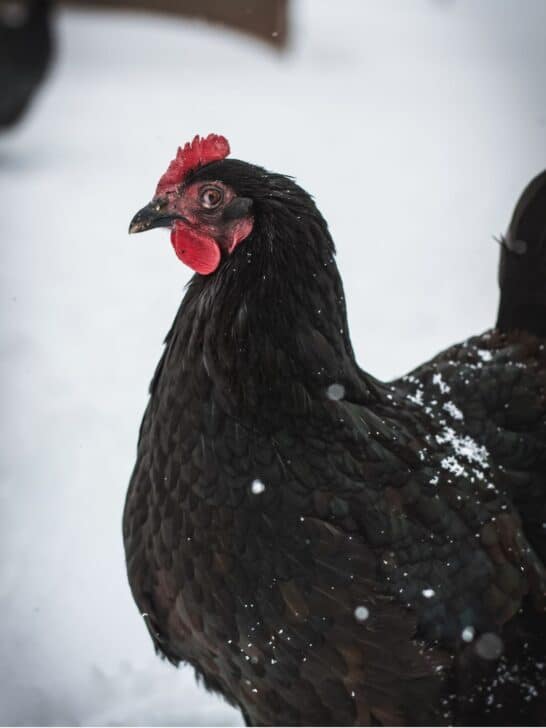
Heritage breeds are a beautiful testament to God’s creation and our ancestors' wisdom. These breeds, passed down through generations, are naturally cold-hardy and better equipped to endure the harsh elements compared to many modern commercial breeds. Choosing a cold-hardy, heritage breed will go a long way in preventing frostbite. When selecting chickens for your homestead, consider not only their plumage—more feathers mean more protection—but also the size and type of comb they have.
Our forebears, guided by the rhythms of the land and seasons, developed these breeds with resilience in mind. By choosing heritage breeds, we not only honor their work but also embrace a more sustainable and faith-aligned approach to homesteading. Each bird, with its unique characteristics, reflects the diversity and beauty of God’s creation.
Chickens with thin, single combs are more prone to frostbite than those with rose combs. For example, our beloved Welsummer rooster, with his large single comb and wattles, is more vulnerable to frostbite than an Easter Egger with a pea comb. Breeds like Australorps and Barred Rocks are excellent examples of heritage breeds that are well-suited to withstand winter, with smaller combs that are less susceptible to frostbite.
2. Use Flat Roosts Instead of Dowel Rods
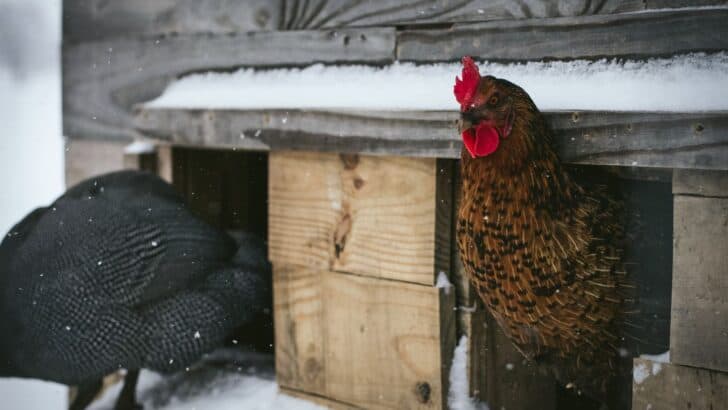
Contrary to what some may think, chickens don’t need rounded bars to roost on, especially in winter. Flat roosts are actually better for preventing frostbite on their feet. On a rounded bar, chickens will wrap their toes around it, leaving them exposed to the cold. However, with a flat roost, they can cover their entire feet with their feathers, keeping them warm.
We repurposed old 2x4 boards to create flat roosts in our coop, and the chickens are perfectly content. They can comfortably cover their feet without the need to grip onto a rounded bar, reducing their risk of frostbite. This adjustment not only keeps them safe but also ensures that they can rest as they were designed to.
3. Keep Water Outside the Coop
It might seem unkind to make your chickens go outside for water, especially in winter, but it’s actually in their best interest. Water inside the coop contributes to moisture, which, as we’ve mentioned, is the main cause of frostbite. Your chickens don’t need as much water in the winter, and they can easily venture outside to get a drink.
For those with mixed flocks like ours, where ducks and chickens share a space, keeping water outside is essential. Ducks can make quite a mess, turning the coop into a frozen pond in no time! Even without ducks, keeping the water outside helps maintain a dry environment inside the coop, significantly reducing the risk of frostbite.
4. Keep the Coop Clean & Well Ventilated
A clean and well-ventilated coop is crucial year-round, but it’s especially important in winter. Dirty bedding can become wet, adding unwanted moisture to the coop. Proper ventilation, placed above the roosts, helps keep the air flowing and the coop dry, preventing frostbite.
5. Avoid Using Heat
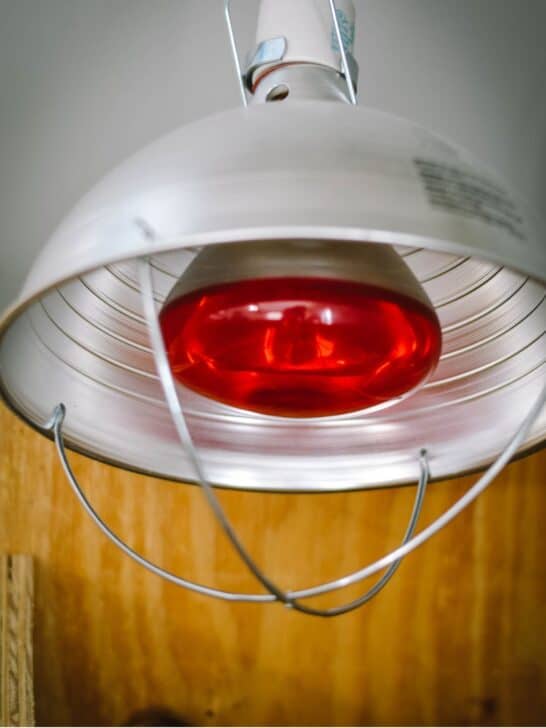
Resist the temptation to add heat to your coop. While it might seem like you’re doing your chickens a favor, it often causes more harm than good. Heat increases moisture, counteracting your efforts to keep the coop dry. Plus, if the power goes out or the heat source fails, your chickens, unaccustomed to the cold, could suffer or even die from the sudden temperature drop.
Remember, God designed chickens with everything they need to stay warm, thanks to their thick feathers. Trust in His creation—they are much more comfortable in the cold than we might think.
6. Coat the Combs
If you have roosters or hens with large combs and wattles, you can offer them extra protection by coating these areas with coconut oil, especially on the coldest days. Simply warm the oil in your hands and apply it to their combs and wattles. This forms a protective barrier against the wind and moisture, helping to prevent frostbite.
Our rooster, Kellogg, has been quite cooperative with this routine. In the morning and evening, I apply a little coconut oil before he goes out and after he comes in for the night.
Taking these steps will help keep your chickens safe and comfortable throughout the winter, allowing them to continue being a joyful and productive part of your homestead.
Keeping your chickens safe from frostbite is just one of the many ways to ensure a thriving homestead year-round. I’d love to hear your own tips and experiences in the comments below! Don't forget to follow along on Facebook or Pinterest for more homesteading advice and inspiration.




Leave a Reply