
Spring is the perfect time to start planting cold-hardy vegetables that thrive in the cooler temperatures. From crisp lettuce to sweet peas, these spring garden vegetables will bring fresh flavors to your table in no time.

Spring is a season I eagerly anticipate every year. After enduring a long winter indoors—tending to frozen water troughs and keeping our flock safe—spring is a breath of fresh air, a reminder of God's faithfulness in bringing new life and growth. There's something so renewing about stepping outside and feeling the warmth of the sun, hearing the birds sing, and seeing the first signs of green poking through the soil.
During those cold winter months, I find myself dreaming and planning for our spring garden. The spring garden, in particular, holds a special place in my heart. It's the first opportunity to play in the dirt after months of being cooped up inside. I love the smell of fresh earth after a spring rain—it's absolutely intoxicating. Walking through the garden after a good, soaking rain, seeing the little plants that my two hands have nurtured, is one of my favorite moments of the year.
Some vegetables thrive best during the cool, crisp days of spring. These are the ones I often start indoors, eagerly awaiting the day I can transplant them into the warming soil. Spring gardening is about patience and preparation—knowing that frost might still nip at your plants, but trusting that with a little care, they'll thrive.
If you're in a warmer climate, you might already have these cool-season vegetables growing strong. For those of us in the North, the growing season is shorter, but we savor every moment. These vegetables not only survive the cold but often taste even better after a light frost. Let's dig into some of my favorite spring garden vegetables, and I'll share a few heirloom varieties you might want to try.
12 Spring Garden Vegetables to Plant for a Bountiful Harvest
1. Lettuce

Lettuce from the garden is unmatched in flavor and freshness. It's a staple in our spring garden, perfect for fresh salads, wraps, or a quick sauté. Lettuce doesn't like heat, so it's ideal for the cooler spring days.
I start my lettuce indoors about 6 weeks before the last expected frost. Once the soil is workable and daytime temperatures reach around 60°F, I transplant it outside. Lettuce prefers partial shade, especially as the days warm up. To keep the harvest coming, stagger your planting by a week or two.
Varieties to try: 'Buttercrunch', 'Red Romaine', and 'Lolla Rossa'.
2. Peas

Peas are one of my favorite spring vegetables. They’re delicious fresh from the garden or lightly sautéed in a stir-fry. Plus, they add a touch of beauty with their delicate flowers.
I start peas indoors about 6 weeks before the last frost. They’re cold-hardy and can handle a light frost. Once the soil is workable and temperatures are consistently above 40°F, I transplant them outside. Peas thrive in well-drained soil with plenty of sunlight.
Varieties to try: 'Sugar Snap', 'Green Arrow', and 'Mammoth Melting Sugar'.
3. Onions

Onions are a must in our garden, and their aroma brings back fond memories. I start onions indoors in early February, getting my hands into the soil even when it's still freezing outside. It’s like a little slice of spring in the dead of winter.
Once the soil is workable, I plant the onion sets or bulbs. They can handle the cold and start growing early in the season. Long-day varieties work best for those of us in the North.
Varieties to try: 'Walla Walla', 'Yellow of Parma', and 'Red Burgundy'.
4. Swiss Chard
Swiss chard is a relatively new favorite of mine, but it’s now a staple in our spring garden. Its leaves are reminiscent of spinach, but with a bit more flavor. It’s also a beautiful plant, adding vibrant color to the garden.
You can start Swiss chard indoors about 4 weeks before the last frost or sow it directly in the garden a few weeks before the frost date. It’s incredibly easy to grow and produces an abundant harvest.
Varieties to try: 'Fordhook Giant', 'Bright Lights', and 'Rhubarb Chard'.
5. Cabbage

Cabbage is another vegetable that I didn’t fully appreciate until I grew it myself. It’s a versatile vegetable, great for coleslaw, sauerkraut, or a hearty side dish. The key to growing cabbage is nutrient-rich soil and regular watering.
Start cabbage seeds indoors 6 to 8 weeks before the last frost, and transplant them outside about 2 weeks before the last frost. Keep an eye out for cabbage worms, and consider using companion planting to help keep pests at bay.
Varieties to try: 'Red Acre', 'Golden Acre', and 'Brunswick'.
6. Broccoli

Broccoli is a bit of a challenge in our garden, but it’s worth the effort. My kids love it roasted with olive oil and garlic. Broccoli needs fertile soil and regular feeding to grow well.
Start seeds indoors 6 to 8 weeks before the last frost, and transplant them outside about 2 weeks before the frost date. Broccoli grows best in cooler weather, between 65°F and 80°F.
Varieties to try: 'Calabrese', 'Purple Sprouting', and 'Romanesco'.
7. Kale
Kale is one of those vegetables that people either love or hate. When grown in fertile soil and harvested while the leaves are tender, kale is a delicious and nutritious addition to the garden.
Direct sow kale in the garden about 4 weeks before the last frost. It doesn’t tolerate hard freezes, so be prepared to cover it during a cold snap.
Varieties to try: 'Lacinato', 'Red Russian', and 'Winterbor'.
8. Beets

Beets are a vibrant and flavorful addition to any spring garden. I love their earthy sweetness, especially when pickled. Beets need well-drained soil and careful fertilization to ensure good root growth.
Direct sow beets in sandy, well-drained soil as soon as the soil is workable. Keep the soil moist and weed-free to encourage healthy growth.
Varieties to try: 'Detroit Dark Red', 'Chioggia', and 'Golden Beet'.
9. Carrots

Carrots are a joy to grow, especially the colorful heirloom varieties. They require loose, sandy soil to develop properly.
Direct sow carrots outdoors about 2 weeks before the last frost. Thin the seedlings to about 2 inches apart and keep the area weed-free.
Varieties to try: 'Nantes', 'Purple Dragon', and 'Cosmic Purple'.
10. Potatoes

Potatoes are a beloved root crop in our garden. They’re easy to grow and so versatile in the kitchen. We plant our potatoes in containers, adding soil as the tubers grow.
Plant seed potatoes when the grass begins to green up. Place them in well-drained, fertile soil and cover with more soil as they grow.
Varieties to try: 'Yukon Gold', 'Red Norland', and 'Russian Banana'.
11. Radishes
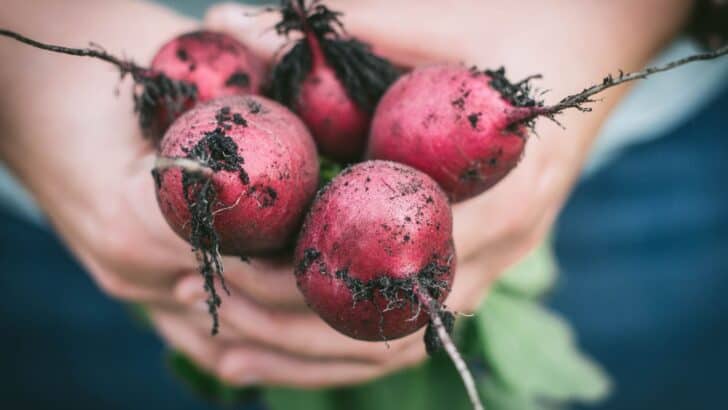
Radishes are one of the quickest-growing vegetables, perfect for those eager to see results. They add a delightful crunch and peppery flavor to salads.
Direct sow radishes in the garden as soon as the soil is workable. They thrive in cool weather and mature in just a few weeks.
Varieties to try: 'French Breakfast', 'Cherry Belle', and 'Watermelon Radish'.
12. Spanish
Spinach is another cool-season crop that’s perfect for early spring. It’s packed with nutrients and can be used in salads, smoothies, or cooked dishes.
Start spinach seeds indoors or direct sow in the garden a few weeks before the last frost. Spinach prefers partial shade and rich, well-drained soil.
Varieties to try: 'Bloomsdale', 'Viroflay', and 'Malabar'.
There are so many wonderful vegetables to plant in your spring garden. Each one is a testament to God’s provision, offering nourishment and joy as we tend to the earth. Whether you’re growing lettuce, peas, or potatoes, I hope you find joy in the process and a bountiful harvest to share with your loved ones.
I hope this guide inspires you to start planning your own spring garden and enjoy the rewards of growing your own vegetables. I'd love to hear about your favorite spring garden vegetables or any tips you have for a successful harvest. Feel free to share in the comments below, and don't forget to follow me on Instagram or Facebook for more gardening tips, recipes, and inspiration! Happy gardening!
Other Gardening Posts You'll Love:


Sandra Byas says
I have enjoyed your text. I was raised by my Grandparents on a farm so I do know how to do several of these chores. I am left handed so I didn't learn to knit and would love to learn. I can use any help that I can get. Thank you your articles.
Glennis Ongley says
Enjoying your gardening and experience the enjoyment of trying to grow and harvest as well not as good as you ,but ge by