Discover why the myth of complete self-sufficiency is just that—a myth. Embrace the power of community and find balance as you work towards greater self-reliance while enjoying the support and connections that enrich our lives.

In the world of modern homesteading, the dream of self-sufficiency often shines as a beacon of independence and self-reliance. We imagine ourselves living in a quaint cabin in the woods, where we build everything from scratch, grow all our own food, and live completely off the grid. It’s a vision of peace and self-reliance, where we are free from the demands and complexities of modern life.
But here’s a gentle truth that might shift your perspective: the myth of absolute self-sufficiency is just that—a myth. While striving for a greater degree of self-reliance is admirable and achievable, the notion of complete independence is more fantasy than reality. Embracing this truth can be liberating and can help us build a more fulfilling and connected life.
Let me share a personal reflection. On our little acre homestead, we work hard to provide for ourselves as much as possible. We grow our own produce, raise some poultry, and dream of adding more livestock in the future. Yet, despite our best efforts, we’ve discovered that living without outside help is not only challenging but, in many ways, impractical. For instance, while we hunt for venison to stock our freezer, we still rely on local sources for other meats. We’ve discovered that providing all our milk needs isn’t feasible right now, and so we seek out dairy from nearby farms.
The truth is, even with our best intentions, we need community. No matter how hard we try or how much we plan, we can't do it all alone. The idea of complete self-sufficiency overlooks one fundamental truth: humans are not meant to be isolated. Even the settlers and Native Americans, who lived closely with the land, depended on their communities to thrive. They worked together, supported each other, and shared resources. Their survival and well-being were intertwined with the strength of their social bonds.
In today’s world, the need for community is even more apparent. Most of us rely on various systems and people to maintain our daily lives. From the loans or rent payments that help us secure our homes to the seed companies that provide us with heirloom seeds, our lives are intertwined with the contributions of others. Even those of us in rural areas rely on services like septic pumping and well maintenance.
Moreover, our dependence on others extends to the technological conveniences that support our modern lifestyle. For instance, the electricity and internet that allow us to access information, connect with others, and manage our homesteads are integral parts of our daily lives. While we might aspire to be self-sufficient, it’s important to recognize that our modern comforts and necessities often involve the support and cooperation of others.
The journey toward self-sufficiency can sometimes feel like a marathon with no finish line. The dream of complete independence often leads to frustration and burnout when we realize that we can’t do everything on our own. Instead of striving for an unattainable ideal, we can focus on building a balanced and fulfilling life that incorporates self-reliance while cherishing the value of community.
Here are some practical tips to help you embrace community while working toward greater self-reliance:
Cultivate Relationships: Engage with local homesteaders, farmers, and like-minded individuals. Share knowledge, trade resources, and offer support. Building a network of friends and fellow homesteaders not only enriches your life but also creates a support system that can help you navigate challenges and celebrate successes. Community connections can provide valuable insights, resources, and emotional support.
Join or Start a Group: Whether it’s a gardening club, a canning circle, or a local food swap, being part of a group can provide valuable resources and build lasting friendships. Participating in or organizing community events can strengthen relationships and foster a sense of belonging. Consider starting a neighborhood exchange or skill-sharing group where you can offer your expertise and learn from others.
Share Your Skills: Offer workshops or demonstrations on skills you’ve mastered. Teaching others not only helps build community but also reinforces your own knowledge and creates opportunities for mutual support. Sharing your expertise can lead to new connections and foster a spirit of cooperation. For example, you might host a canning class or a gardening workshop in your local area.
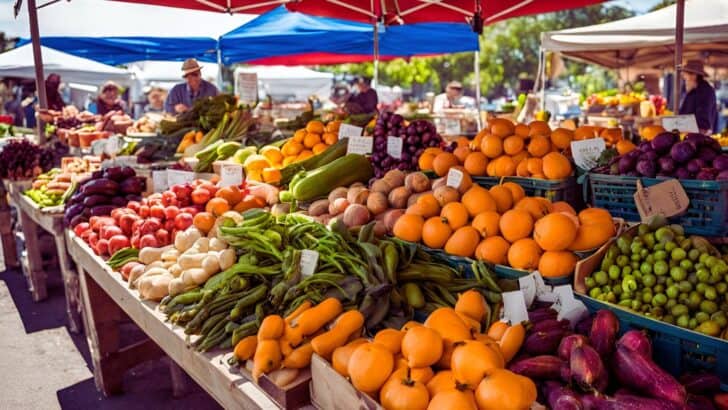
Support Local Businesses: Whenever possible, buy from local farms and artisans. Your support helps sustain small businesses and keeps the local economy vibrant. Supporting local enterprises strengthens the community and fosters a sense of shared responsibility. By choosing to purchase locally, you contribute to a more resilient and interconnected local economy.
Practice Gratitude: Recognize and appreciate the help and resources you receive from others. A grateful heart fosters positive relationships and a stronger sense of community. Expressing gratitude not only enriches your relationships but also reinforces the importance of mutual support. Take time to acknowledge and thank those who contribute to your journey, whether through direct assistance or by providing valuable resources.
Embrace Collaboration: Look for opportunities to collaborate with others on projects and initiatives. Working together on a shared goal can strengthen bonds and lead to more successful outcomes. Whether it’s organizing a community garden, participating in a group volunteer effort, or collaborating on a local event, shared experiences can deepen connections and enhance your sense of community.
Be Open to Help: Don’t be afraid to ask for help when you need it. Accepting assistance is not a sign of weakness but a recognition of the interconnected nature of our lives. When you’re open to receiving help, you create opportunities for others to support you and build stronger relationships. Remember that everyone benefits from mutual support and collaboration.
Celebrate Community Successes: Take time to celebrate the achievements and milestones of your community. Whether it’s a successful harvest, a completed project, or a special event, acknowledging and celebrating these moments fosters a sense of unity and shared accomplishment. Celebrations can strengthen bonds and create lasting memories.
Remember, the journey towards self-sufficiency is not about isolating yourself from the world but about finding a balance where you can rely on your skills while embracing the support of others. We were never meant to be islands, and that’s perfectly okay. In fact, it’s in our connections with others that we find the true richness of life.
By valuing and nurturing our relationships with others, we create a more supportive and fulfilling path toward our homesteading dreams. Let’s celebrate the beauty of community and the ways it enriches our lives as we strive for greater self-reliance.
While the ideal of absolute self-sufficiency is a noble aspiration, embracing the support and connections within our community is key to a fulfilling and balanced homesteading journey. I’d love to hear your thoughts and experiences on this topic! Feel free to leave a comment below, and don’t forget to follow me on Facebook and Instagram for more tips, inspiration, and updates.
Other Posts You Might Enjoy:




Chelsea says
What an absolutely wonderful read! I was just thinking of this earlier as I hopped around a few different homestead blogs reading posts. We all want to be self-sufficient. I would love to be self-sufficient but not 100%. All of the points you made were spot on. Also, it's sometimes nice to be able to depend on people and have a sense of community. Thank you for such great content and I look forward to reading more!
Huong Nguyen says
Yeah, we were never meant to be an island.
I totally agree with all of the points you made in this post ...Thanks for pointing them out!
Have a nice day!
Timothy says
Well written article finally the truth but I didn't see anything about property tax,water filters, Replacement parts that wear out including fules and chainsaws.People need to realize you need to have a outside income before trying to homesteading.