
Figuring out how much to plant to feed your family can seem impossible. There are so many things to take into consideration. But, if you're growing to fill your larder with produce from the garden, it's also an essential task.
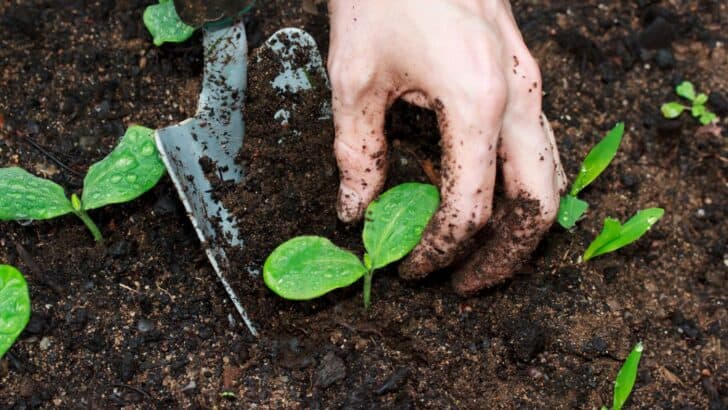
It seems like every year, I plan out our garden as the weather turns cold with hopes of a bountiful harvest. Enough food to fill our cupboards with canned food, our freezers with frozen veggies, and our bins with root vegetables galore.
And every year, we get a little bit closer to our self-sufficiency goals. But, it seems like I always have too little of some crops and too many other crops to feed us. And while there are several factors that go into determining how much to plant of a certain crop, there are some rough guidelines that we can go by to help us plan out our planting for the coming year.
Questions to Ask When Deciding How Much to Plant
Will we eat this fresh from the garden?
Something you're going to eat fresh from the garden is only going to be useable for a short period of time. But, at the same time, if it's also something that you're going to preserve, you will want to take into consideration that it's not all going to be put up in the larder or freezer.
Does everyone in my family enjoy this?
I love asparagus, my husband and kids, on the other hand, aren't as big of fans as I am. All three of our daughters love okra, but only fried. Not everyone likes everything, and that's okay. Figure out what your family likes, and figure out if everyone likes it. Something that only you or a couple of your family members likes won't require nearly as big of a planting as something that everyone loves to eat.
Will we preserve this for storage?
We preserve a lot of tomatoes with salsas, pastes, sauces, and canned tomatoes. We also eat them fresh. They are by far one of our most utilized garden crops. If you're going to preserve the crop for storage for later use, decide what all you may use it in, that will help you determine how much you need to grow.
How often do we use this crop?
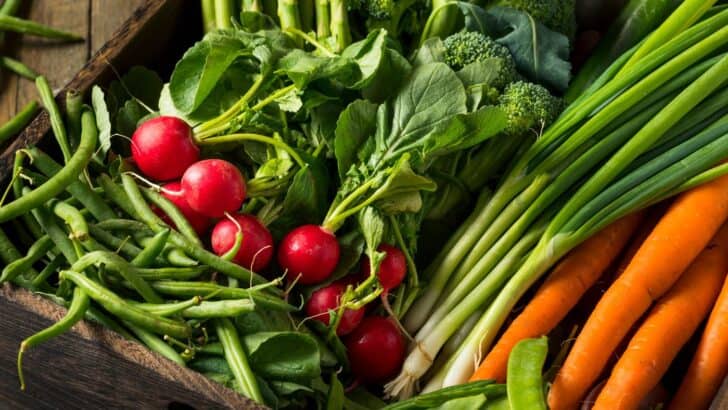
Whether fresh or preserved, is it something you frequently use? I often find myself grabbing a jar of green beans or some potatoes. But, I don't find myself reaching in the freezer for broccoli near as often. Try to take into consideration how often you and your family actually prepare the vegetable in question.
Do I have the space?
Always select your most used and loved crops first and make sure you have enough to grow them before moving on to the less-loved crops. If your family uses a ton of green beans and potatoes, but you rarely use your jars of tomatoes, make sure you grow the more utilized crops in larger quantities in the space you have available and adjust for the rest accordingly.
How Much to Plant Per Person To Feed them For the Entire Year
If you're planting a garden and taking the time to do it, you should try to be diligent about growing enough of at least a few staple crops to feed yourselves for the entire year. Make sure they're crops you all love to eat, but also make sure they're worth your while.
Once you've picked the crops you feel most confident in growing that you'll actually use, you can use the list below as a basic guideline to figure out how much you'll need to grow in order to feed everyone.
Again, this is just a guideline, but I included it so that you can plan your garden out and decide whether or not you have the room or if you need to adjust things a little bit to get more out of it.
- Asparagus 5-10 Plants per Person
- Bush Beans 12-15 Plants per Person
- Pole Beans 3-4 Plants per Person
- Beets 20-30 Plants per Person
- Broccoli 2-4 Plants per Person
- Cucumber 4-5 Plants per Person
- Carrots 25-35 Plants per Person
- Corn 10-15 Plants per Person
- Garlic 15-20 Plants per Person
- Leaf Lettuce 4-6 Plants per Person
- Melons 1-2 Plants per Person
- Onion 12-20 Sets per Person
- Peas 15-20 Plants per Person
- Peppers 3-5 Plants per Person
- Potatoes 10-15 Plants per Person
- Spinach 5-6 Plants per Person
- Squash 1-2 Plants per Person
- Tomato 2-4 Plants per Person
Deciding how much to plant will depend on a lot of variables. Some years our tomatoes go wild, some years I'm lucky if I pull a few off of each plant. But, this can all help you get a rough estimate of how many you'll need to plant in order to start working toward your food self-sufficiency. Once you've grown them a few years, simply take notes and plan the next year accordingly. It will always change a bit, but not so much that you can't plant about the right amount of your favorite crops every year.
Other Gardening Posts You'll Love:



Janalyn Voigt says
Thanks so much for this guide. It gave me a starting point to figure out next year's garden.
Danielle McCoy says
So glad it helps!
Barbara says
Hello Danielle,
We need a follow up article for this one, on how you preserve each of these crops to make it last all year. Wouldn't hurt to know when to plant and harvest them either. Some of us don't have that information in our heads. I live in So. Cal. and every year I think "I could have let that keep growing and gotten much more (think green beans, zucchini)" but I had to take them out because they grew so big they were shading everything else.
Barbara
Danielle McCoy says
Hi Barbara,
Definitely have some of that stuff in the works! I do have some grow guides that I'm not sure if I've interlinked already on my site, but I will look into it and add to my list so that you can just click to the adjoining information on how to grow, harvest, and preserve all of these (or most of them!). Thank you for the suggestion.