
Homesteading offers a fulfilling lifestyle, but it can be costly. Thankfully, with a little creativity and resourcefulness, there are many ways to save money and make your homesteading dreams a reality.

Frugality is an integral part of the homesteading way of life. By learning simple ways you can save on your dreams, you can fulfill them without needing a huge bankroll or going into debt.
20 Practical Frugal Homesteading Tips
Homesteading embodies a beautiful blend of hard work, self-sufficiency, and living simply. I love the meme that says, "How to make a million dollars homesteading. Start with two million dollars and work hard." It’s a humorous take on the reality that while homesteading can be incredibly rewarding, it’s not always the cheapest endeavor. However, with a bit of creativity and resourcefulness, you can save a significant amount of money and make your homesteading dreams a reality without breaking the bank. Let’s explore some practical ways to save money while living this fulfilling lifestyle.
1. Source Free Lumber
One of the most significant expenses when building structures on your homestead is lumber. We were blessed to receive a massive amount of free lumber for our 120-square-foot chicken coop. It was all thanks to a construction company that no longer needed it. There were nearly 100 pieces of useable 2x6s and 2x4s—each 8 feet or longer—just waiting to be put to good use.
Tip: Keep an eye on local Facebook groups, Craigslist, and even community bulletin boards for free or inexpensive lumber. Sometimes, people are looking to get rid of old pallets or dismantle sheds and barns. You could even negotiate to take down these structures yourself for the materials.
2. Grow Plants from Seed
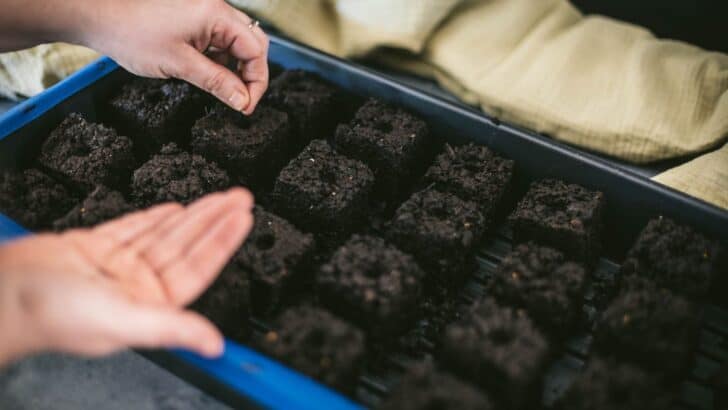
Starting plants from seeds is a much more budget-friendly option compared to buying started plants. Seeds are often cheaper, and you can even find free or inexpensive seeds from local gardening groups or seed exchanges. By starting with a few staple seeds like tomatoes, onions, and peppers, you can build your collection over the years.
Tip: Start small and gradually expand your garden. Saving and using seeds from your own plants can help reduce future seed costs. Opt for open-pollinated, heirloom varieties, as hybrid seeds don’t breed true.
3. Save Those Seeds

Saving seeds from plants that have performed well in your garden is a fantastic way to reduce costs. By keeping seeds from varieties you enjoy and that grow well, you can lower your seed expenses for the following seasons. This also contributes to your self-sufficiency.
Tip: Ensure that the seeds you save are from open-pollinated or heirloom varieties. Hybrid seeds will not reproduce true to their parent plants.
4. Preserve Your Own Food
After growing your own produce, preserving it is a crucial step to saving money. Canning, freezing, and dehydrating are all excellent methods to store your harvest for the winter months. By doing this, you can avoid the high cost of store-bought canned goods and have fresh produce ready whenever you need it.
Tip: If you didn’t grow enough to last through the winter, check out local farmers’ markets or CSAs. Purchase excess produce to preserve, which can be a cost-effective way to stock up.
5. Hatch Your Own Chicks

Raising your own chickens and hatching your own chicks is more economical than buying new ones every year. By maintaining a healthy flock and investing in an incubator, you can continually breed and raise your own poultry, saving money on new chicks.
Tip: Start with a few high-quality chickens and a rooster. As your flock grows, you’ll have a steady supply of chicks and a self-sustaining system.
6. Find Good Deals on Non-Working Tools
Sometimes, non-working tools can be a treasure trove of savings. We recently purchased a rear-tine tiller for just $10. It wasn’t functioning properly, but with some tinkering, we managed to get it working. The key is to be creative and mechanically inclined.
Tip: Look for broken or non-functioning tools at garage sales, online marketplaces, and scrap yards. With a bit of elbow grease, you might be able to repair them yourself and save a substantial amount.
7. Search Garage Sales and Scratch-and-Dent Deals
Garage sales and scratch-and-dent sections can offer incredible savings. We’ve found brand new pantry cabinets and canning jars at a fraction of their retail prices. Often, these items just have minor imperfections but are perfectly functional.
Tip: Visit local garage sales, thrift stores, and scratch-and-dent sections at home improvement stores. You never know what valuable items you might find at a steep discount.
8. Butcher Your Own Meat

Butchering your own meat can be a significant cost saver. Even if you don’t raise your own animals, buying them live and processing them yourself can save you a lot of money. We recently butchered a pig ourselves and saved a considerable amount on bacon, sausage, and ham.
Tip: Invest in proper butchering tools and learn the process through resources like YouTube or local workshops. If you raise your own animals, you’ll save even more by avoiding processing fees.
9. Learn to Hunt and Fish
Hunting and fishing can be an economical way to provide meat for your family. With a bit of practice, you can learn to butcher and process your game, providing healthy, cost-effective meat options.
Tip: Familiarize yourself with local hunting and fishing regulations and invest in a good quality hunting or fishing kit. Learning these skills can greatly enhance your self-sufficiency.
10. Barter and Trade
Bartering and trading are time-honored traditions that can help you save money. Find local homesteaders or community members who have skills or products you need and offer something in return.
Tip: Build relationships with like-minded individuals in your area. Bartering can extend beyond goods to include services like repairs or even babysitting.
11. DIY Repairs for Your Home
Learning to handle basic home repairs yourself can save you a significant amount of money. From fixing leaks to replacing broken pipes, doing it yourself is often much cheaper than hiring a contractor.
Tip: Start with small projects and gradually take on more complex repairs as you gain confidence. There are many online resources and tutorials to help guide you through DIY repairs.
12. Make Your Own Household Items

Making your own household items such as soap, cleaners, and bread can save you a lot of money. This also allows you to control the ingredients and avoid harmful chemicals.
Tip: Look for recipes and tutorials online for making common household items. Invest in basic ingredients and equipment, and start creating your own products to save on store-bought items.
13. Buy in Bulk
Buying staple items in bulk can lead to substantial savings. Items like flour, sugar, and grains are often cheaper when purchased in larger quantities.
Tip: Join a bulk-buying club or shop at warehouse stores. Consider buying non-perishable items in bulk and store them properly to avoid waste.
14. Utilize Composting
Composting your kitchen scraps and yard waste reduces the need for store-bought fertilizers and improves your soil quality. This process is both eco-friendly and cost-effective.
Tip: Start a compost bin or pile in a convenient location. Use a mix of green (nitrogen-rich) and brown (carbon-rich) materials for the best results.
15. Grow Perennial Plants
Perennials such as asparagus, rhubarb, and certain herbs come back year after year, reducing the need to replant each season. These plants can save you money and effort in the long run.
Tip: Invest in high-quality perennial plants for your garden. They often have a higher upfront cost but will provide a long-term return on investment.
16. Build Your Own Raised Beds
Raised garden beds can improve soil drainage and make gardening easier. Building your own can save you money compared to purchasing pre-made beds.
Tip: Use reclaimed wood, pallets, or other free materials to construct your raised beds. They can be customized to fit your garden space and needs.
17. Harvest Rainwater
Collecting rainwater for watering your garden can significantly reduce your water bills. Rain barrels or other collection systems can be a great addition to your homestead.
Tip: Install rain barrels under your downspouts and use the collected water for irrigation. Ensure your rainwater collection system is clean and free from contaminants.
18. Make Your Own Animal Feed
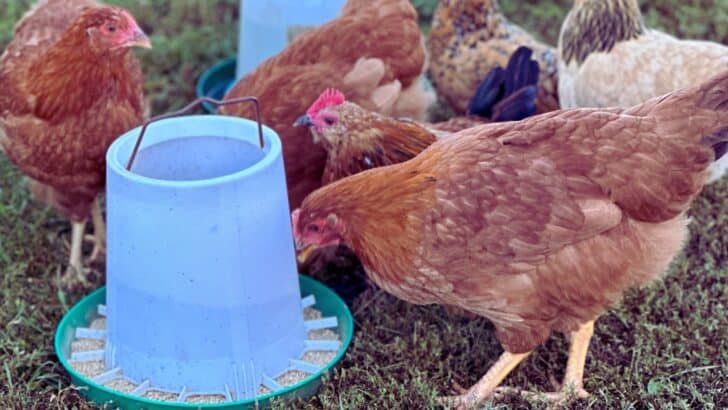
If you raise livestock, making your own animal feed can cut costs. You can often source grains and other ingredients in bulk and mix them yourself.
Tip: Research and create balanced feed recipes for your animals. This will ensure they receive the nutrients they need while saving you money on commercial feed.
19. Repair and Repurpose
Instead of throwing away broken or unused items, try to repair or repurpose them. This practice not only saves money but also reduces waste.
Tip: Keep a toolkit for basic repairs and learn simple DIY techniques. Repurposing old furniture or containers can also add character to your homestead.
20. Join a Homesteading Community
Connecting with other homesteaders can provide valuable insights and resources. Sharing experiences and advice can help you find new ways to save money and improve your homestead.
Tip: Join local homesteading groups or online forums. Participate in events, workshops, and exchanges to build relationships and learn from others.
Embrace Frugal Living with Faith
Homesteading is not just about self-sufficiency; it’s about living a life of purpose and faith. Embracing frugality and finding ways to save money while homesteading can help you achieve your goals without the burden of financial stress. Trust in God’s provision and be thankful for the resources and opportunities you have.
By implementing these tips and embracing a frugal mindset, you can make your homesteading journey more affordable and enjoyable. Remember, it’s not just about saving money—it’s about living intentionally and making the most of the life God has blessed you with.
If you found these tips for saving money while homesteading helpful, I’d love to hear your thoughts and experiences in the comments below! Don’t forget to follow me on Facebook and Pinterest for more inspiration and practical advice on living a fulfilling, frugal homesteading life!




Jessie @ This Country Home says
To save money on seeds, you might also check if your library has a seed library. All of the libraries in our county participate in a seed library program. You can check out heritage seeds from the library, grow them, then harvest them and return some seeds at the end of the year. If you aren't yet at a place where you can save seeds you don't have to worry about returning them though! Thanks for another great article!
Lee Ann says
Excellent advice. We built our tiny house for approx $4,000. We found tons of
free wood and even windows. We got a deal on the cedar for the outside. However,
I must learn to butcher.