
Aphids are one of the most common, and obnoxious, garden pests there are. They seem to sneak there way into just about every garden at some point. Thankfully, there are some easy tips for aphid control to keep them at bay and keep your garden growing.
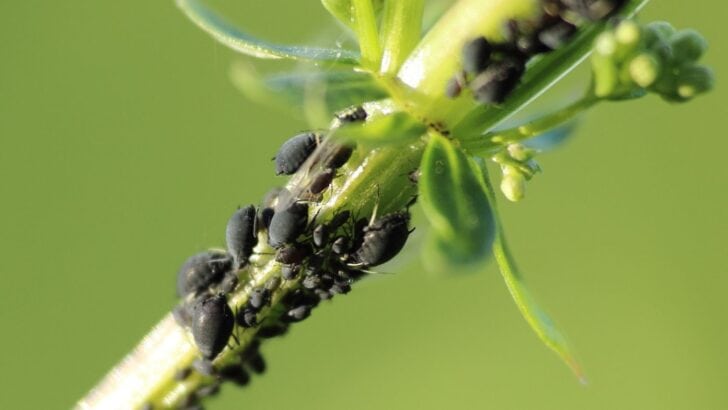
What are aphids?
Aphids are very small, soft-bodied insects that suck nutrients out of plants. They are found virtually everywhere around the globe. Left unchecked, they will multiply quickly and can completely decimate a garden in no time flat. This makes it important to get them under control quickly.
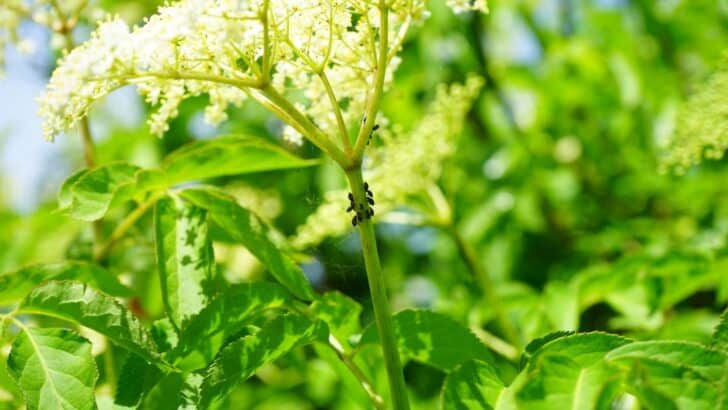
Most aphids, with very few exceptions, in the spring in summer are all females. Eggs that were laid late the prior year hatch into female nymphs. When it's particularly warm, aphids can reach full maturity in as few as 7 days, skipping a step and giving live birth to more female young. These young develop and each can produce up to 80 young in one week.
Most species of aphids do not need to mate in order to reproduce, they can reproduce asexually through a process called parthenogenesis. So, no males needed.
Since aphids can so rapidly reproduce, populations can quickly explode making controlling aphids a top priority.
What do aphids look like?
Aphids are very small, adults measure roughly ¼" with long antennae and legs. There are thousands of aphid species around the glove and they come in a variety of colors. Including green, white, black, brown, yellow, and red. Some have a furry coating on them, others don't.
They're pear shaped, and the nymphs, while smaller, look very similar to their adult counterparts.
Aphids are typically wingless as adults, but they can grow wings if the area is overcrowded to enable them to fly when food quality suffers.
While nymphs, aphids will appear like tiny little pieces of dirt (of varying colors) on your plants. As they mature, they get larger and their legs are more visible, but aphids can be difficult to see since they are so small and they typically hide on the underside of leaves.
What plants are aphids attracted to?
Virtually every plant has an aphid species that can be attracted to it. This is especially true when the plant is young and has a lot of tender, leafy growth. Anything from potatoes to roses and everything in between.
Most aphid species stick to a particular plant species, the potato aphid generally feeds off of, you guessed it, potato plants. However, some aphid species will feed off of plants not in a specific species such as peach aphids which will feed off of peaches and other stone fruits, but will happily suck sap from your peppers, tomatoes, or anything else.
Aphids seem to be particularly attracted to anything in the brassica family. So, think cabbage, brussels sprouts, collard greens, kale, and broccoli. However, we seem to fight with soaring aphid populations anytime we plant pole beans.
Identifying aphid damage

Most aphids have an affinity for new plant growth. Some species feed on a variety of plants while others have only a select few. Regardless, they find their host plant and reproduce rapidly.
They feed by sucking nutrient dense sap out of their chosen host plant. Typically yellowing, curling leaves are an early sign of aphid damage. Checking the underside of the leaves of the plant that is showing these signs will generally turn up a few little specks on the underside where they prefer to "hide".
Another sign of an aphid problem is a sticky substance on the leaves known as "honeydew". This sticky substance is the excrement of aphids. High levels of infestation can result in lots of honeydew that can drop down onto nearby surfaces.
Another sign is ants absolutely love aphid honeydew, so much so that they will collect aphids to milk the honeydew substance out of them. Ants aren't really harmful to plants, but if you see a lot of them marching around on your leaves, you probably have an aphid infestation working its way into your garden.
High levels of honeydew can cause what is called sooty mold, which causes leaves to turn black. The fungus actually grows on the honeydew, not the plant, but inhibits photosynthesis which blackens the leaves.
What causes aphid infestation?
What encourages these sneaky pests to infest your garden plants? Mostly... stress.
Transplant shock can occur for up to a week after a plant is moved to its permanent location and can encourage aphid infestation.
Overwatering, under watering, and lack of sunlight can all also encourage aphids to take up residence on your plants.
As can over fertilizing, especially with nitrogen since this promotes the tender, leafy growth that aphids love so much.
Another problem can be using broad spectrum insecticides to control other garden pest insects because they're not discriminate and can kill off populations of beneficial insects that help keep aphids, and other pests, at bay.
Natural Aphid Control and Prevention
Inspect & Squish
First, you need to make sure you're regularly inspecting your plants. Particularly the underside of leaves. Aphids are sneaky and tend to sneak up without anyone noticing because they hide on the underside to get better access to suck nutrients out of the plant.
If you find a small cluster of aphids on a leaf, simply squish them. They're small and they don't really move very fast making this incredibly easy and effective if you just see some here and there.
Blast With Water
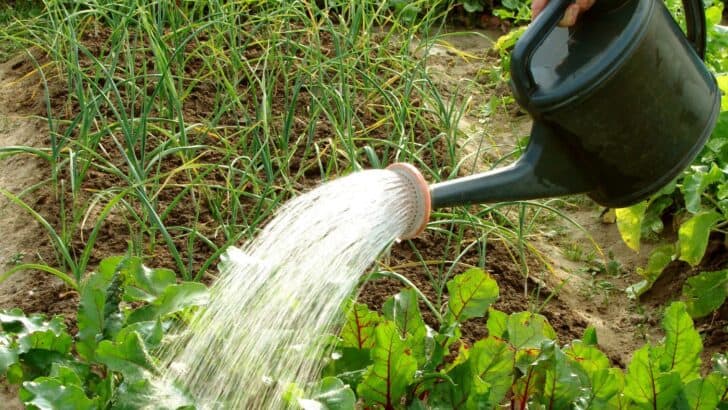
Find a small batch but too many to bother squishing, or you're squeamish? Blast them with a nice stream of water from the garden hose.
This can be effective at removing them, killing them (since they're so soft bodied) and removing any honeydew they left behind on the plant leaf.
Just be sure if you implement this method that you don't spray the plant so hard you damage it.
DIY Insecticidal Soap
You can purchase insecticidal soap at the store, if you choose, but these contain added ingredients and it's so incredibly simple to make at home.
This soap kills on contact by disrupting the insects cell membrane, so it won't be very effective if you just spray aimlessly, but you can spray it on leaves that have insects on them and it will help take care of them.
Another benefit of insecticidal soap is, it does not harm beneficial insects, making it perfect and safe for using in an organic garden.
To make it simply add 1 tablespoon of liquid, peppermint castile soap to 1 quart of warm water. Put it in a spray bottle, shake it up and spray the undersides of leaves that have aphids or signs of aphids.
You'll want to do this in the early morning or late evening, never in the heat of the day to avoid sunburning the leaves you spray it on.
Neem Oil Spray
Neem oil is a concentrated oil made from the seeds of the neem tree. Neem oil is very effective at controlling, and even preventing, many soft bodied pests such as aphids.
Neem oil works on soft bodied insects by coating their bodies with the oil which effectively smothers them. This works about like the insecticidal soap and is most effective when sprayed directly on the insects.
Neem oil does not affect beneficial insects like ladybugs or bees, as long as it is properly mixed and used responsibly.
Diatomaceous Earth
Diatomaceous earth is one of those things that you should use only as a last resort if the benefits (killing off a large population) outweigh the risks (potentially killing off beneficial insects).
DE, when properly used, can be very effective at killing aphid populations. You can sprinkle this around the base of affected plants to keep ant populations at bay and dust onto the leaves to kill off the aphid populations. Make sure you use a mask if you choose to use this product as the particles can negatively affect respiratory health.
If you choose to use this product, do not use it on plants that are in bloom, use it sparingly, and use it only as a last resort.
Invite in Natural Enemies
Beneficial insects have so many fantastic qualities and really, truly need our help, too since populations are low due to overuse of indiscriminate pesticides.
Ladybugs top the list of aphid predators being reported to be able to eat up to 50 aphids in a single day. That's pretty dang impressive.
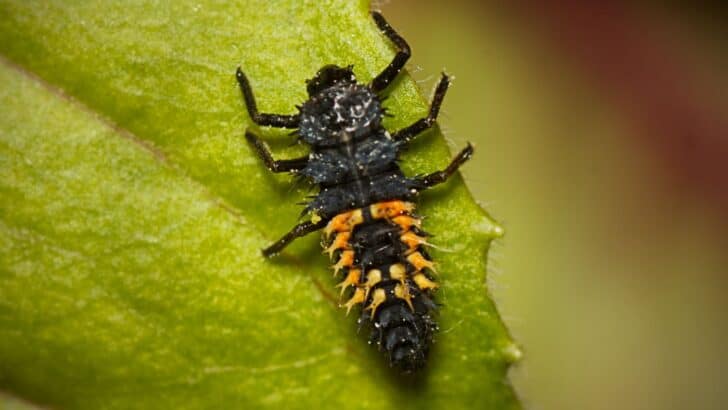
Ladybug larvae are really good at gobbling up the aphids, but a lot of people don't know what ladybug larvae look like and often mistake them for pests. So, make sure you know how to properly identify ladybug larvae and keep them in the garden so they can eat up your aphids.
Another predator of aphids is the green lacewing and parasitic wasps, so you can look into those as potential beneficials you want to bring into your garden as well. The biggest bonus is they don't just eat aphids, either so they can help keep many other garden pests under control.
Plant Colorful Varieties
If you've ever planted red cabbage or purple broccoli next to their green companions you've probably noticed the plants don't become near as infested with pests. The theory behind this is that the insects cannot hide as easily as they can on green plants.
So, not only do those cool plants you see in the seed catalogues add a bit of color and pizazz to your garden plot, they also can help prevent insects from invading them and eating them up before you ever get the opportunity.
Utilize Companion Planting
Companion planting is an often overlooked method of gardening. Some of us companion plant without realizing that's what we're doing, others aren't real sure of how to do it.
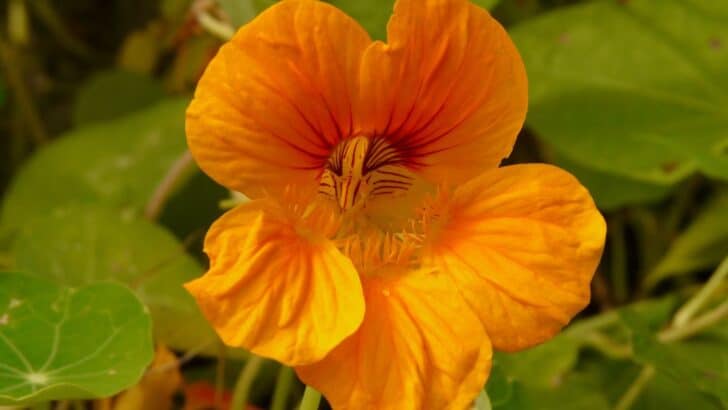
But, it's very very effective at keeping pest insects at bay. For aphids in particular, they are very, very attracted to nasturtium which can act as a trap plant. Plant nasturtium near more valued plants and the aphids will often do their thing on the nasturtium plant. You can keep the populations from hopping over by removing the plant from the garden once the population gets larger on the nasturtium.
Garlic and chives repel aphids and are best planted near your lettuce and peas. Another plant that can repel aphids is catnip.
Aphids can be an absolute pain, but thankfully there are various ways to easily and simply keep them under control, or prevent them altogether. You may have to use a variety of the above mentioned methods in order to keep them at bay, but the good news is? It's totally doable.


Leave a Reply