
Providing endless harvests and sustainability, perennial vegetables are crops you can plant once and reap the benefits of harvest for years to come. A perennial food garden allows you to avoid planting from scratch each year while still giving you plenty of fresh produce to bring in.
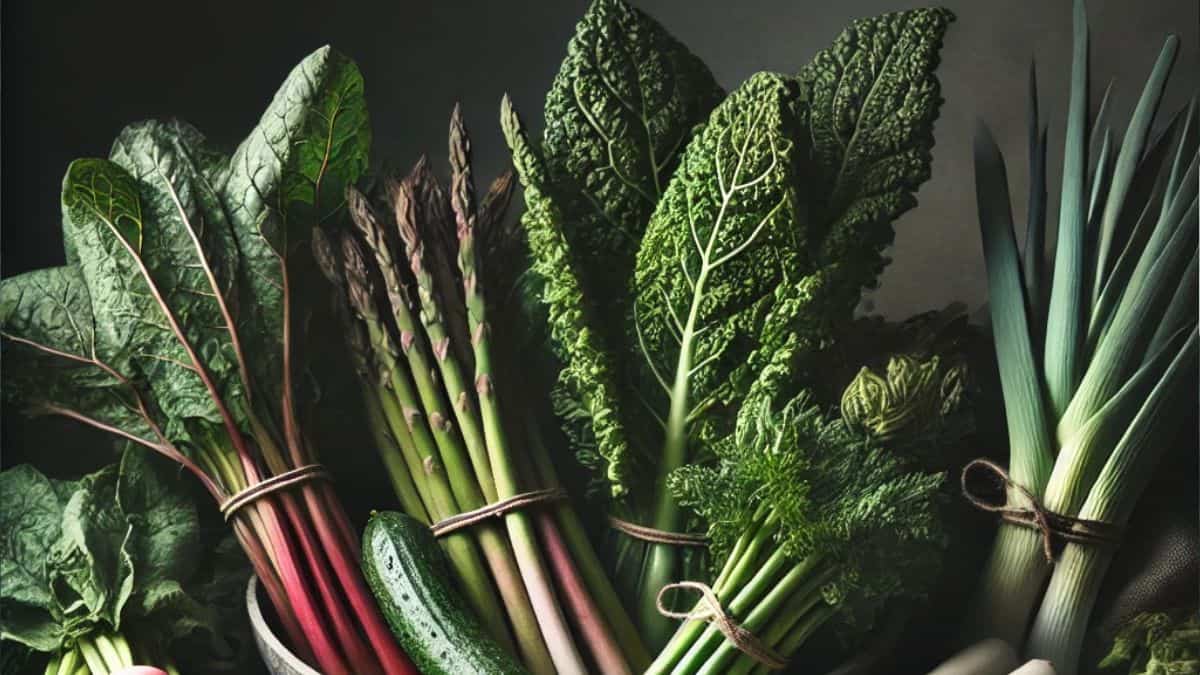
Asparagus

Hardy in USDA zones 3-8, asparagus takes three years to mature from seed, so most people grow it from crowns, which shaves a year off the growth period. However, once it does, it will provide you with plenty of fresh spears to eat, pickle, and freeze for 10 years or more.
Rhubarb

Rhubarb is also hardy in zones 3-8 grown from seed it will take 3-4 years for the first harvest, growing from two-year-old crowns will allow you to harvest a year after planting, or one-year-old crowns will take two years. These plants, which are grown for their stalks as the leaves are toxic, will grow for at least a decade, if not longer.
Artichoke

Artichokes are often grown as annuals in North American Gardens, however, they can be grown as perennials in zones 7-11. In northern gardens, it is possible if the plants are well insulated with straw and covered with a hoop house or similar. While they can be grown as perennials, they only last about five years.
Jerusalem Artichoke (Sunchoke)
Jerusalem artichokes, often called sunchokes, are a perennial tuber in the sunflower family. A cross between a white potato and ginger root, these plants are grown for their edible tubers. These are a hardy perennial in zones 4-9 that can become a weed problem if all the tubers aren't dug up. If some are left in the ground each year, they will come back indefinitely.
Horseradish

Horseradish is a cold-hardy perennial that grows best in northern gardens where it will be forced into dormancy. It will grow in all zones except for the hottest, desert regions. Horseradish is very easy to grow, needs little attention, and can be harvested after the first year. It is tenacious and can be difficult to get rid of once planted, so it is great to grow in containers.
Sorrel

Not as long-lived as rhubarb, sorrel can be grown as a perennial. Hardy all the way to zone 3, it is often grown as an annual, but if you over plant and allow some to die back in the fall as opposed to harvesting all of it. The plants will grow back, spread, and bulk up just like rhubarb does.
Kale
While not all varieties are perennial, there are several perennial kale varieties available. The best way to plant these varieties is to plant cuttings from side shoots of existing plants. Different varieties have different hardiness levels, so you'll have to shop for shoots suitable for your zone. A short lived perennial, it will last around 5-6 years.
Chinese Artichoke
Chinese artichokes, called Crosne in France, are in the mint family and grown for their tubers. Since they are in the mint family, they will spread and take over an area fairly easily. Hardy to zone 5, the plants will die back but the tubers are quite hardy and can be harvested anytime after the plants go dormant in fall and winter.
Egyptian Walking Onion
Aptly named due to their ability to "walk" across your garden, this perennial onion is best planted in summer before the first frost so it can be harvested the following year. Despite its propensity to walk across the garden, it is easily contained by pulling the plants that grow in places they aren't wanted. Hardy from zone 3 all the way to zone 10, it is easy to grow and will provide you with onions for decades.
Welsh Onion
A non-bulbing onion, the Welsh onion is also known as the Welsh bunching onion or Japanese leek. This onion produces spring onions in large clusters. Unlike the Egyptian walking onion, these onions are best sown indoors in March and can be harvested from their first year. Hardy to zone 6, with the implementation of row covers and other season extenders, they can be hardy in colder climates as well.
Garlic

Most people grow garlic as an annual, but it's actually a perennial. Hardneck varieties can be grown all the way from zones 2-6 whereas softneck varieties can be grown in zones 6 and above. Growing garlic is incredibly easy and growing it as a perennial is even easier, simply leave some of the garlic behind in the garden bed.
Wild Leeks

Preferring woodland conditions, wild leeks, or ramps, are one of the few vegetables that you can grow in the shade. While you can propagate your own ramp crop with wild leeks you find yourself, you can also purchase seeds or bare-root plants from several nurseries. Ramps are hardy from zone 3 to 7.
Malabar Spinach
Malabar spinach can be grown as a perennial in warmer regions where there aren't any freezing temperatures. Botanically not a true spinach, but it does resemble it and tastes similar. Unlike spinach, this is a vertical growing plant that will require a trellis. This is grown as a perennial in zones 7 to 10.
Watercress

This semiaquatic plant loves permanently wet conditions. While you can simulate these conditions by growing it in containers, if you choose to do so, it will be grown as an annual in those cases. Easy, pretty much maintenance free, and having the propensity to easily and quickly spread, watercress will provide you with harvests within 7 weeks and is hardy from zones 3 to 11.
Scarlet Runner Beans
Typically grown as an ornamental annual, this variety is actually a perennial and very much edible. Hardy in warm zones 7 and above, the roots can be brought indoors in colder climates and replanted when the weather warms to proper conditions.
Yams
These vines with heart-shaped leaves produce both edible tubers and edible aerial bulbils. Typically grown as an annual, they can easily be grown as a perennial. Yams are very easy to grow, but do require support to produce well.
Sweet Potato
Sweet potatoes are typically grown as annuals but can be grown as a perennial in warmer climates. Very easy to grow, they don't withstand frost and if the vine gets frost damage, the tuber will also suffer from decay and rot. However, in zones 8 and up, these delicious vining tubers can be grown as perennials.
Water Chestnut
A perennial that can be grown in containers in any zone as a perennial, many people in colder zones grow water chestnuts as annuals. These are semi-aquatic plants much like watercress. Grown best at the edge of a pond, they can be grown in a bucket with some soil, manure, and water.
Miner's Lettuce
This perennial wild edible is native to a large portion of the western United States and Canada, but even if you don't have the wild edible growing nearby, you can propagate it in your garden and grow as a perennial in zones 6-9. Much like ramps, it is also a shade loving vegetable.
Ostrich Fern

Another shade-loving plant, the ostrich fern produces the highly sought-after fiddleheads in the spring. They don't spread quickly, but are easy to grow and very winter-hardy. These are a great addition to a food forest or permaculture garden and are beautiful.
Other What to Grow Posts to Check Out Next:
- 10 Easy Vegetables to Grow for Beginner Gardeners
- 10 Essential Crops for a Self Sufficient Garden
- 20 Best Pollinator Plants for the Vegetable Garden
What perennial vegetables do you grow in your garden? Share in the comments below and be sure to follow me on Facebook and Pinterest for more gardening inspiration!


Leave a Reply