
Foraging for morels is one of the most rewarding ways to get outside in spring... if you know what you’re doing. Once you understand where to look and what to look for, these elusive mushrooms start showing up everywhere.
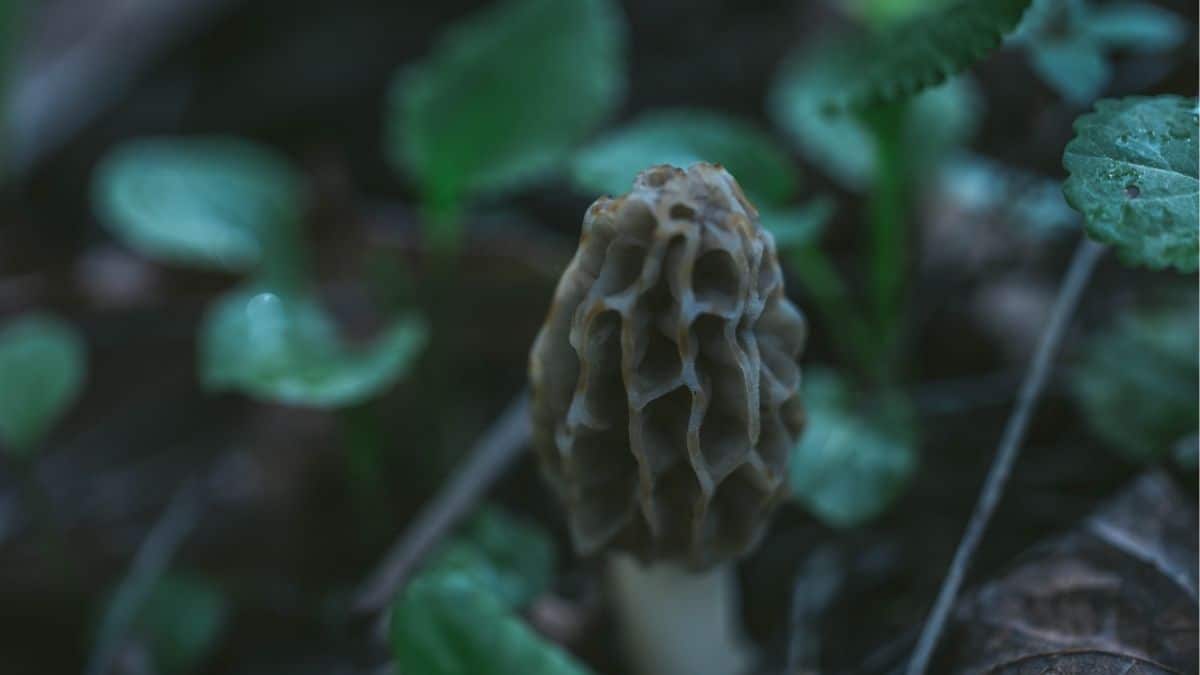
If you’ve ever walked through the woods in spring and felt like you were missing something... you probably were.
Morels don’t announce themselves. They blend in, hide in plain sight, and most people step right over them without ever knowing.
But once you learn how to see them? You’ll start spotting them everywhere.
What Morel Mushrooms Actually Look Like
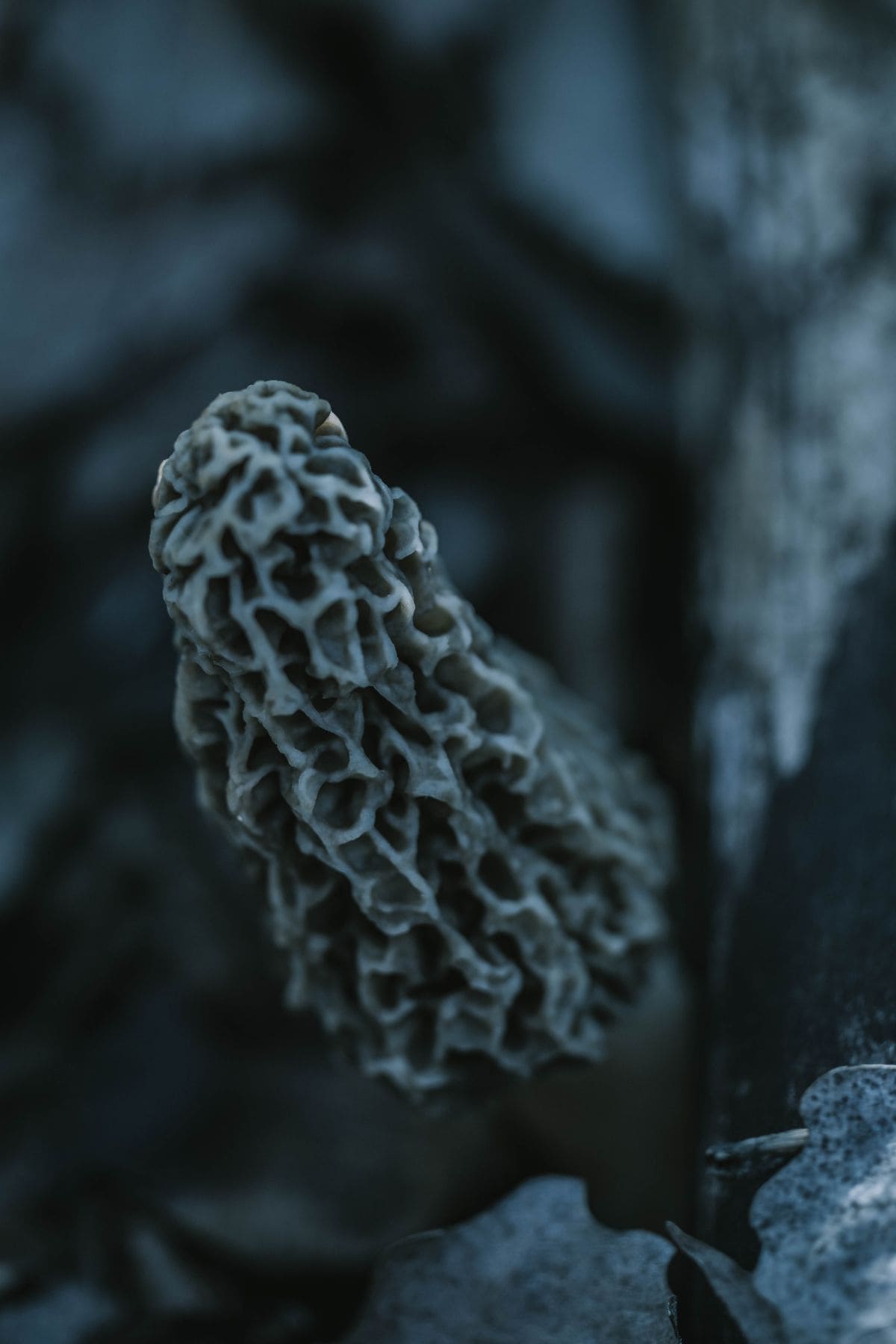
Morels are one of the easier wild mushrooms to identify, if you know what matters.
They’re usually:
- Black, gray, tan, or yellow
- Taller than they are wide
- Covered in a honeycomb-like texture (not smooth, not wrinkled like a brain)
The biggest tell?
Slice it in half.
A true morel is completely hollow from tip to base, and the cap is fully attached to the stem. That’s it. If it’s not hollow, it’s not a morel.
Morel Look-Alikes (and How Not to Screw This Up)
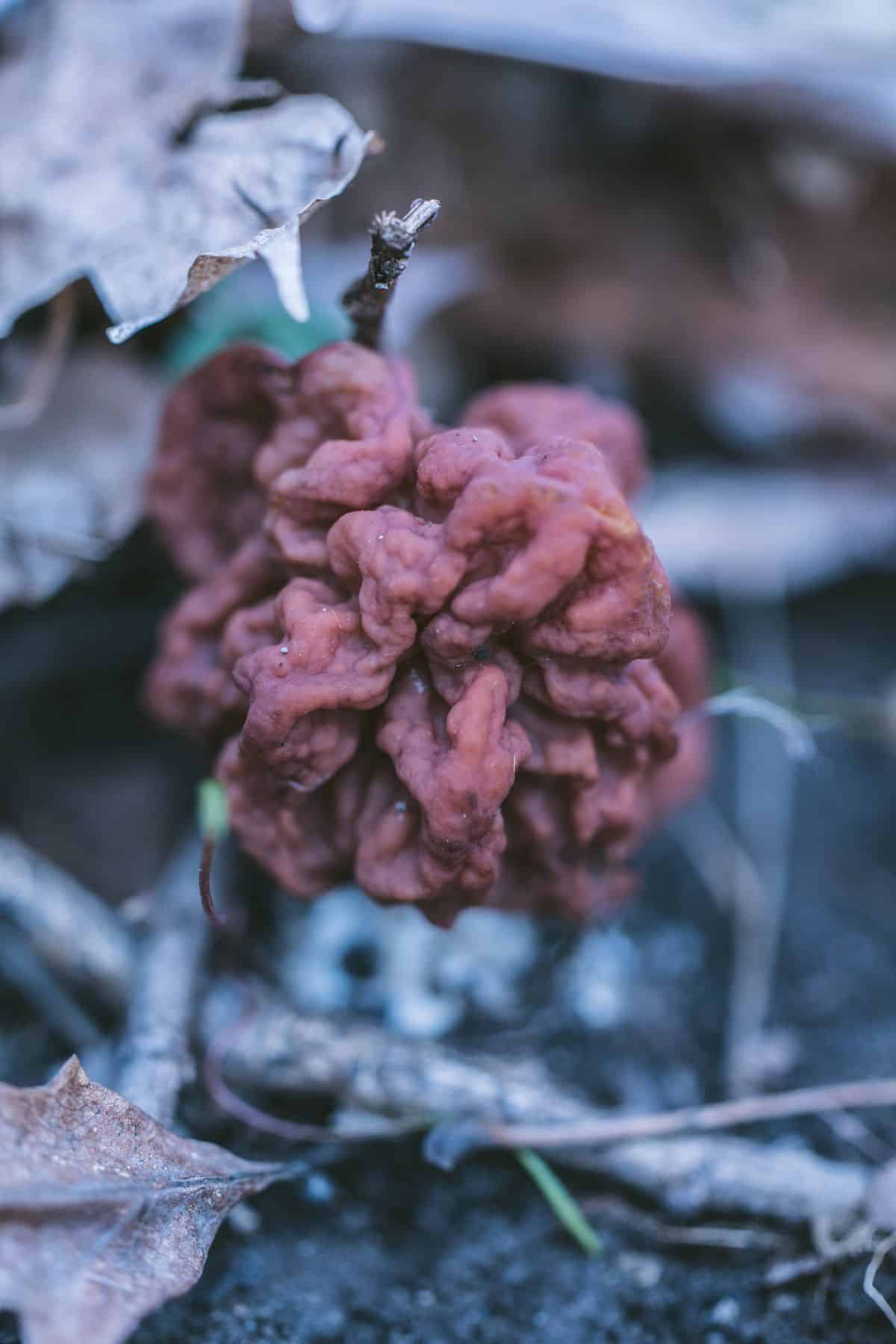
There are a few mushrooms people confuse with morels—but honestly, once you know what you’re looking at, they’re not that convincing.
The big ones:
- False morels (Gyromitra). Reddish, twisted, brain-like. Not honeycomb. Not subtle.
- Early morels (Verpa bohemica). These look closer, but the cap hangs loosely like a little skirt instead of attaching fully to the stem. Inside? Not hollow—more cottony or fibrous.
If you cut it open and it’s anything other than clean and hollow the whole way through, leave it.
When in doubt, don’t eat it. Period.
Where to Find Morels
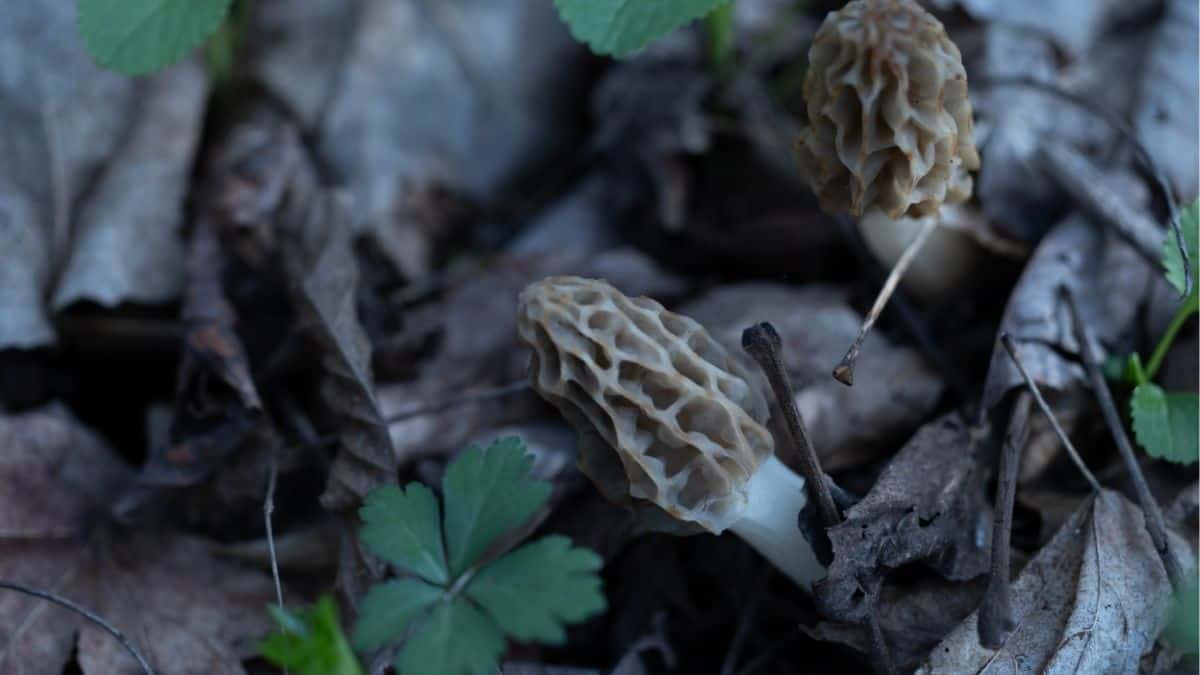
This is where most people mess up.
It’s not that morels are rare, it’s that they’re easy to miss. You’re going to walk past them, a lot. Everyone does.
They blend perfectly into last year’s leaves, and until your brain locks into the pattern, they’re basically invisible.
Start looking here:
- Around dead or dying trees. Especially elm, ash, apple, poplar, and aspen
- Old orchards (seriously, goldmine).
- Edges of woods and forest transitions.
- Near water, but not in swampy ground. Look for well-drained soil just outside wet areas.
Follow the sun:
- Early season: South-facing slopes (warmer soil = earlier growth).
- Later season: North-facing slopes (cooler, shaded areas hold longer).
Found one?
Slow down.
They rarely show up alone. Once you spot one, start scanning the ground around you carefully. Same conditions, same area... you’ll usually find more.
Burn areas & logging zones:
If you’re in a region with wildfires or logging, pay attention.
A year or so after disturbance, those areas can absolutely explode with morels. People travel just to hunt those spots.
When to Go Morel Hunting
Morel season isn’t a fixed date—it’s a moving target.
Generally:
- Mid-March through late June (depending on where you live).
But here’s what actually matters:
- Soil temps around 50°F.
- Nights in the 40s.
- Days in the 60s.
- A little rain doesn’t hurt.
That’s your window. And it’s short. Miss it, and you’re waiting another year.
And no... you don’t need perfect sunny days.
Some of the best hunts happen on cloudy days with light rain or damp, quiet mornings.
Honestly? Those are better anyway.
Why You’re Not Finding Them (Yet)
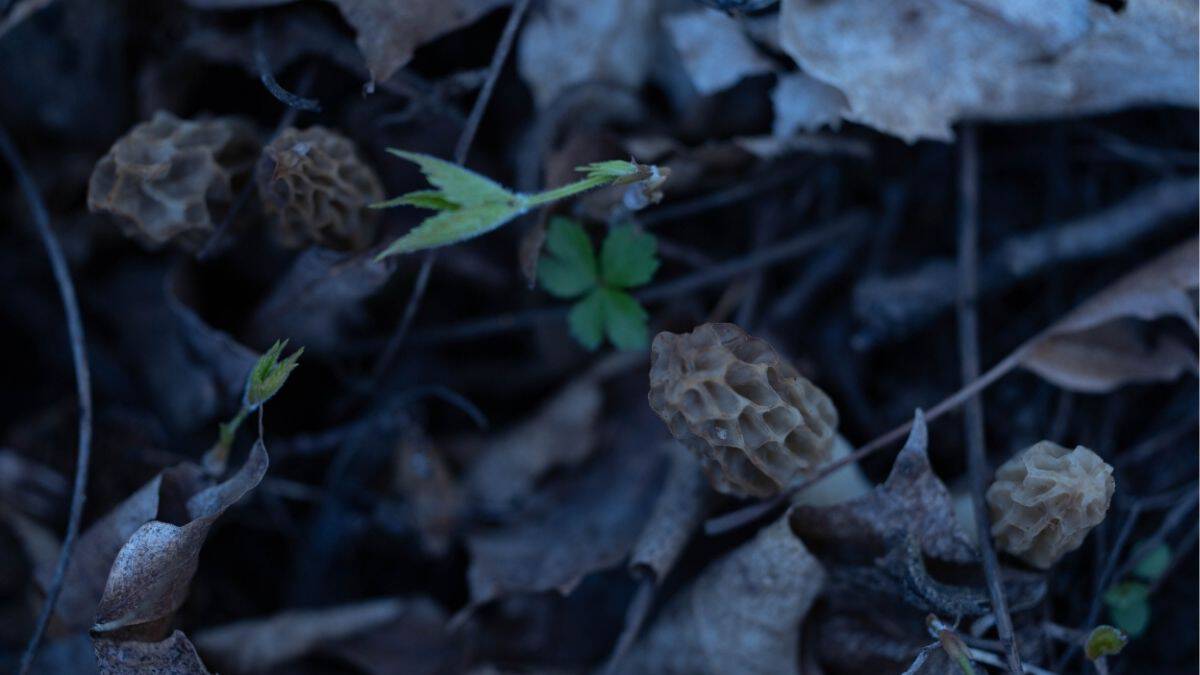
It’s not because they’re not there. It’s because your eyes haven’t adjusted.
Morels don’t stand out... they repeat patterns. Once your brain picks up that pattern, it’s like flipping a switch.
Suddenly, you realize that “random bump” is a mushroom. The shadow you just scanned past? It's actually a cap. And the patch of leaves? It's not just a patch of leaves (they love hiding amongst them... barely peaking through).
How to Carry Your Finds (Without Ruining Them)
If you’ve got one, use a mesh bag. It keeps them from getting soggy and allows the spores to spread as you walk.
No mesh bag? Not the end of the world. Just don’t stuff them into something airtight and sweaty.
When you harvest, use a knife and cut at the base instead of pulling them up. It keeps the surrounding area undisturbed and gives you a better chance of seeing them in the same spot again.
What to Do With Morels
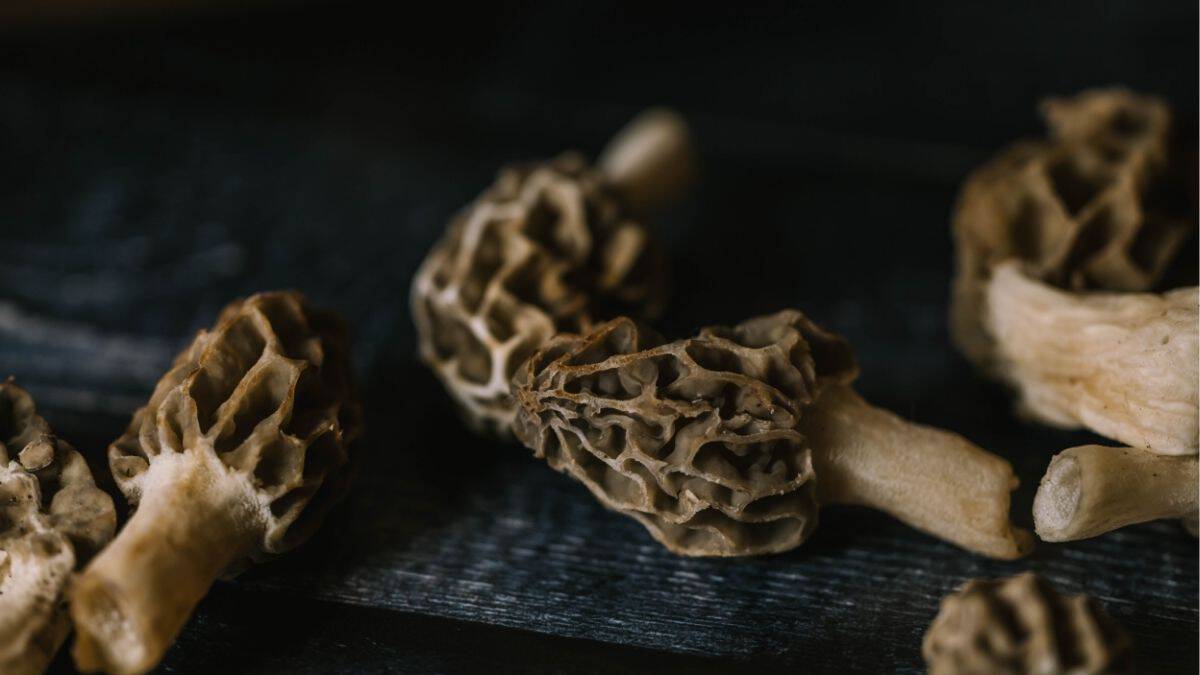
You don’t need a complicated recipe.
- Slice them lengthwise
- Check for bugs (because yeah… sometimes)
- Give them a quick rinse if needed (don’t soak them into oblivion)
- Cook them in butter with a little salt
That’s it. They taste like the woods... deep, earthy, a little nutty. Let them be what they are.
If You’re Out There Right Now…
You’re not just looking for morels. Keep an eye out for:
- Ramps
- Fiddleheads
- Wild garlic
Spring doesn’t give you much time, but it gives you a lot if you’re paying attention.


Josh Wilham says
Do you have a favorite recipe for morels?
Danielle McCoy says
I season them with salt, pepper and a bit of garlic and sautee them in butter.