Discover the key differences between hybrid and GMO plants, and learn why heirloom and open-pollinated varieties offer natural, sustainable options. Understanding these distinctions can help you make informed choices for healthier gardening and eating.
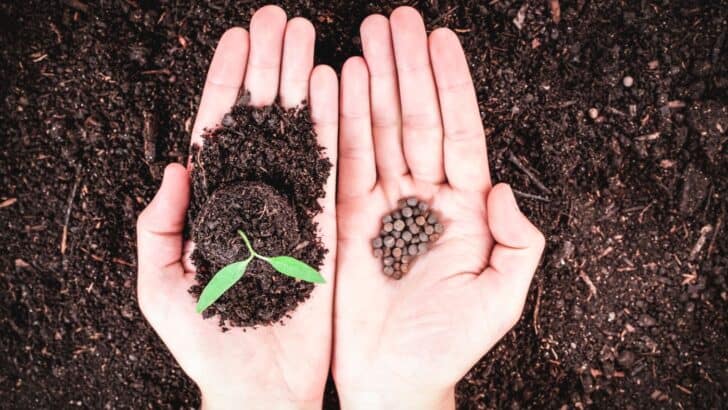
In recent weeks, I've encountered a common belief that “GMOs aren’t bad; we’ve been genetically modifying things for centuries.” While this perspective is understandable, it’s important to clarify the significant differences between traditional hybridization and modern genetic modification. Let’s dive into these topics with a warm, friendly approach, and explore the nuances to help us make more informed choices about our food.
Hybridization vs. Genetic Modification
What is Hybridization?
Hybridization is a time-honored method of plant improvement that has been practiced for thousands of years. This process involves cross-pollinating plants of the same species to create a new variety with enhanced traits. For example, a gardener might cross two types of tomatoes to produce a plant with better yield or disease resistance. This natural process can also occur without human intervention, as plants can cross-pollinate on their own in nature.
In the mid-1800s, the discovery of F1 Hybridization revolutionized this process. This method allowed for significant changes in a plant’s traits within just one generation, rather than over several generations. Despite the speed, F1 Hybrids remain a natural process, although they are a bit quicker in producing desirable traits. One key point to remember is that hybrid plants do not always reproduce true to their parent traits. This means that seeds saved from hybrid plants may not produce offspring with the same characteristics. As a result, gardeners often need to purchase new hybrid seeds each year.
Hybrid plants can be a great option for those looking to improve specific traits in their garden, but they do require an ongoing investment in new seeds. This can be a minor inconvenience for backyard gardeners, but it can be more challenging for large-scale farmers who face increased costs and dependency on seed companies. Despite these challenges, hybridization is a natural and traditional method of plant breeding.
What is Genetic Modification?
Genetic modification, or GMO (genetically modified organism), involves altering an organism’s genetic makeup in a lab setting. Unlike hybridization, which involves cross-pollinating plants of the same species, genetic modification can include adding genes from entirely different species or kingdoms. For instance, genes from bacteria may be inserted into a plant’s genome to make it resistant to pests or herbicides. This direct manipulation of an organism’s genetic material is a significant departure from traditional plant breeding methods.
The major concern with GMOs is the uncertainty surrounding their long-term effects. Since these plants are often patented and closely guarded, there is limited research on their impact on human health and the environment. Additionally, GMOs are not always labeled, making it difficult for consumers to make informed choices. Wind can carry pollen from GMO crops to non-GMO plants, potentially affecting local ecosystems and food supplies.
Understanding Heirloom and Open-Pollinated Plants
What are Heirloom Plants?
Heirloom plants are varieties that have been passed down through generations, often for their unique flavors, colors, or historical significance. These plants are typically open-pollinated, meaning they are pollinated naturally by insects, wind, or other natural processes. Heirloom varieties are valued for their stable traits, which remain consistent from generation to generation when grown from seed. This reliability makes heirloom plants a cherished choice for many gardeners who seek to preserve traditional plant varieties and maintain a connection to gardening history.
What are Open-Pollinated Plants?
Open-pollinated plants are those that reproduce naturally through pollination by insects, wind, or other natural methods. Unlike hybrid plants, open-pollinated varieties produce seeds that grow into plants with traits similar to the parent plants. This consistency makes open-pollinated plants a popular choice for gardeners who want to save seeds from one season to the next. Many heirloom plants are open-pollinated, but not all open-pollinated plants are considered heirlooms. Open-pollinated varieties are appreciated for their stability and ability to produce reliable crops year after year.
The Difference Between Hybrid Plants and GMOs
The key difference between hybrid plants and GMOs lies in the methods used to achieve the desired traits. Hybridization involves the natural cross-pollination of plants within the same species, while genetic modification involves direct manipulation of an organism’s genetic material, often with genes from different species or kingdoms.
Hybrid plants are created through a process that can be accelerated with modern techniques but remains rooted in natural plant breeding. They offer improvements such as better yield or disease resistance but may not always reproduce true to their parent traits. This requires gardeners and farmers to purchase new seeds each year.

On the other hand, GMOs involve a more complex and less natural process of altering genetic material in a lab. This can lead to uncertainties regarding the long-term effects on health and the environment. The lack of transparency and research on GMOs raises concerns about their safety and potential impact on ecosystems.
What Can You Do?
If you’re concerned about GMOs and want to support natural, sustainable practices, here are some steps you can take:
Grow Your Own: Cultivate your own garden to ensure you’re growing natural produce. This gives you control over what goes into your food and allows you to avoid GMOs altogether.
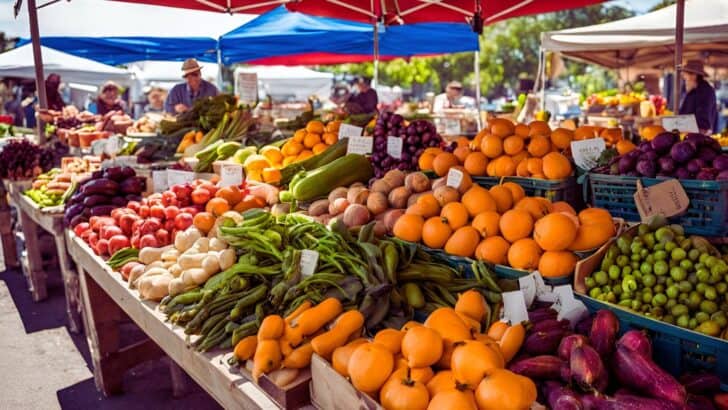
Buy from Local Farmers Markets: Purchasing from local markets helps you support small-scale farmers who may use more natural and sustainable practices.
Choose Simple Ingredients: When shopping for ingredients, opt for items with a single ingredient to reduce the likelihood of hidden GMOs.
Go Organic: Organic produce and goods are less likely to be genetically modified and are often grown using more environmentally friendly methods.
Look for Non-GMO Certifications: Seek out products with Non-GMO Project certification for assurance that they do not contain genetically modified ingredients.
Support Local Farmers: Get to know the practices of local farmers and choose those who avoid GMOs. This not only supports sustainable agriculture but also strengthens your local food community.
Be Mindful of Meat: Many livestock are fed GMO crops, so choose grass-fed, pastured, or organic options when possible to avoid contributing to the demand for GMO feed.
While I personally enjoy hybrid varieties of vegetables and fruits, I prefer open-pollinated, heirloom seeds for my garden. Heirloom and open-pollinated plants offer the benefits of stable, reliable traits and a connection to traditional gardening practices. Hybrid seeds can create a dependency on seed companies, which doesn’t align with a self-sufficient lifestyle. By choosing heirloom and open-pollinated varieties, I strive to maintain a more sustainable and independent approach to gardening.
Conclusion
I hope this post helps clarify the differences between hybrid plants, GMOs, heirloom varieties, and open-pollinated plants. Understanding these distinctions can guide us in making more informed choices about our food and gardening practices. Feel free to share this information with others who may benefit from a better understanding of these topics.
Thank you for taking the time to read this. Let’s continue to explore and celebrate the beauty of natural gardening and make choices that align with our values of health, sustainability, and self-sufficiency.
Other Gardening Posts You'll Love:


Angela says
Great post full of information that I wish everyone knew! We use non GMO in our garden and home 🙂
Danielle McCoy says
It is frustrating when people aren't educated on the subject. I constantly have people telling me "humans have been genetically modifying things for years." No, we haven't. There's a huge difference between "helping" along a completely natural process and injecting different kingdoms into one another.
April J Harris says
Great post - it is extremely important to know the difference between hybrids and GMOs. We are lucky to have very strict regulations around GMOs in the UK and Europe but even so, more and more GM foods creep in. Thank you so much for sharing this informative post with us at the Hearth and Soul Hop.
Danielle McCoy says
It's amazing the way that GM foods just sneak into the food supply. It's a pet peeve of mine for people to know the difference between hybrid and GMOs, but so many people don't know the difference. A lot of times people don't realize that their organic seeds and produce can be hybrid varieties. They cannot be GMO, but hybrid varieties are allowed. Thanks for stopping by, April!
swathi says
Love this post, great info, thanks for sharing with Hearth and soul blog hop, pinning.
Grateful says
Glad to know this information. Sad that the general public is treated as if we are helpless infants - fed /given whatever our providers choose to feed us. An ultimate type of greed is what these practices must be driven by. Thank you for the clear, detailed explanations.
BW says
Wow, I never knew all that! I will try to stick more to Heirloom as I like the idea of saving seeds from year to year, thanks for the easy to understand explanation
SM says
Thank you for putting it in laymens terms!! I am shopping for my seeds for this years garden and now know what to do! All the fancy hybrids look and sound so great but I want to cultivate my seeds from my best produce so heirloom only will be on my shopping list. Much appreciated 🙂
Lburns says
Now I see why the fertilizer issue. Cant just use manure on those seeds. THANKS FOR SHARING. Knowledge is power.
Mike says
Argumentation that uses some opinionated statements such as "injects bacteria" which may or may not be the case. The writer is looking for an emotional response rather than a logical one
Danielle McCoy says
Bacterium being injected, or otherwise introduced by being grown in tissue cultures, to the plants nucleus is not an opinion, it's documented, scientific fact. You can read a very short, simplified article on how this works here. Genetically modified crops are modified through lab techniques, hybrid crops are created via human intervention outside of a lab. No gene splicing, tissue culturing or other means of microscopic manipulation are used to create hybrid crops. That's fact, not opinion. However, one could definitely argue that your comment is looking for an emotional response.