
Looking to improve your garden soil and set the stage for a flourishing garden? Learn how to transform less-than-ideal soil into nutrient-rich earth with these simple and cost-effective tips.
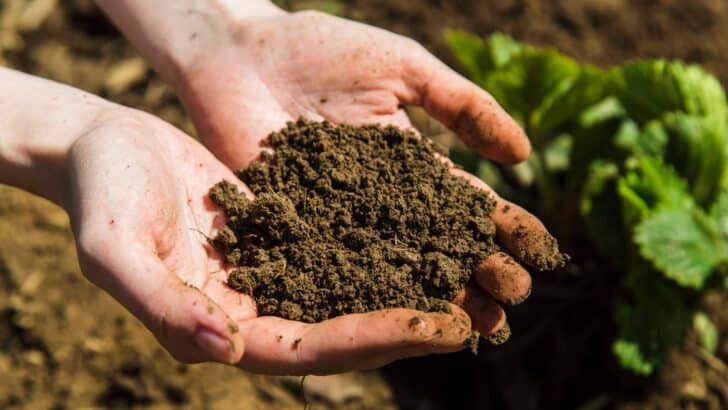
We all know that a thriving garden starts with healthy soil. But if you’re like me, you might be beginning with less than ideal soil—think of it as clay-like, almost more mud than garden-ready. And let’s be honest, that’s not the kind of dirt that’s going to yield a bountiful harvest!
The good news is that there are many easy and cost-effective ways to transform your garden soil from lackluster to luscious. And the best part? Many of these methods are free!
How to Improve Your Garden Soil
Do a Home Soil Test
The first step to improving your soil is understanding it. A home soil test is a simple way to find out what nutrients your soil might be missing. You can either get a sample tested at your local extension office or purchase a soil text kit online.
Once you have your results, you’ll know exactly what your soil needs. For instance:
Phosphorus: Add bone meal.
Nitrogen: Use blood meal or fish emulsion.
Potassium: Sprinkle in some wood ash.
Magnesium: Epsom salts work wonders.
Calcium: Incorporate crushed eggshells or lime.
Knowing what to add makes all the difference in nurturing your garden.
Compost: The Gardener's Gold
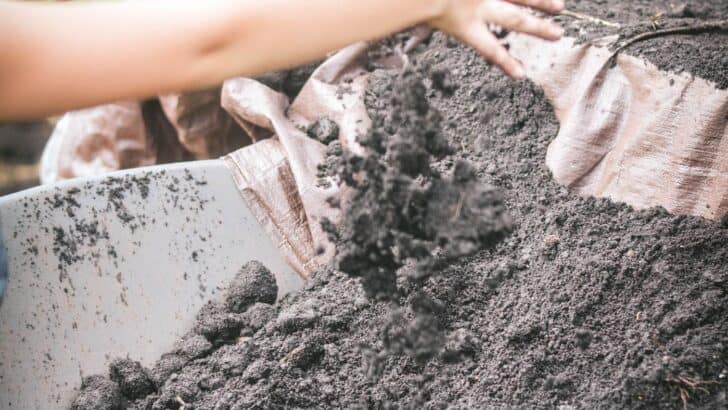
Compost is a wonderful way to enrich your soil with nutrients. It improves drainage and adds that desirable loamy texture. Start a compost pile or try vermicomposting to recycle kitchen scraps and yard waste into valuable garden food. Composting is a practical, eco-friendly method that even helps reduce waste!
To make composting even more effective:
Keep It Moist: Compost should be damp, like a wrung-out sponge. If it’s too dry, it won’t break down properly.
Add Variety: Include a mix of green materials (like vegetable scraps) and brown materials (like dried leaves) to balance nitrogen and carbon.
Turn Regularly: Aerate your compost pile every few weeks to speed up decomposition.
Mulch with Hay or Straw
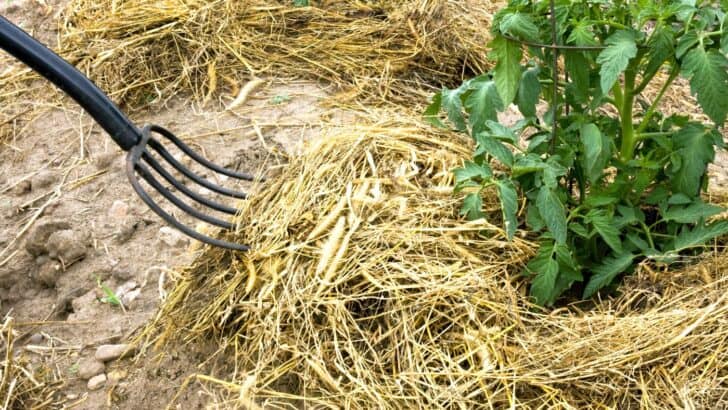
Make sure the hay or straw you're using has not been treated with herbicides or pesticides. It can kill your garden!
Mulching with hay or straw can be a game-changer for your garden. Just be sure to choose hay or straw that hasn’t been treated with herbicides or pesticides—these chemicals can harm your plants.
Using older bales of hay or straw is even better, as they’re less likely to sprout unwanted seeds. Layered mulch can help with water retention and weed control, gradually enriching your soil over time.
Here are a few more tips for effective mulching:
Replenish as Needed: Mulch breaks down over time, so be prepared to add more as the season progresses.
Apply a Thick Layer: Aim for a mulch layer that’s about 2-4 inches deep to effectively suppress weeds and retain moisture.
Avoid Piling Up: Keep mulch away from the base of plants to prevent rot and pests
Coffee Grounds: A Gift from Your Morning Brew
Coffee grounds are a fantastic, nitrogen-rich amendment for your soil. Instead of tossing them out, sprinkle them on your garden beds. Be cautious not to pile them up too thickly to avoid mold. If you don’t drink coffee, many local coffee shops will happily give you their used grounds.
Additional coffee grounds tips:
Add to Worm Bins: Coffee grounds are great for vermicomposting, providing a valuable nitrogen source for your worms.
Mix with Other Materials: Combine coffee grounds with other compost materials for better results.
Use Sparingly: A little goes a long way, so don’t overdo it—about a cup per square yard is sufficient.
Sheet Mulching: Nature’s Way of Soil Improvement
Sheet mulching mimics nature’s process of breaking down organic material. Start by covering your garden bed with cardboard, then layer organic materials like leaves, grass clippings, and food scraps. Top it off with compost. Let this sit for a few weeks to a few months, and you’ll have rich, well-nourished soil ready for planting.
To enhance sheet mulching:
Monitor Moisture: Ensure the layers stay moist but not soggy for optimal decomposition
Choose the Right Cardboard: Use plain cardboard without glossy prints or tape.
Layer Creatively: Incorporate different types of organic materials for a nutrient-rich mix.
Cover Crops: A Planning Advantage
Cover crops are an excellent way to enhance your soil. They improve drainage, aerate the soil, and help suppress weeds. Options include buckwheat in the summer and oats in early fall. Simply sow the seeds, and once they’ve done their job, cut them down and let the greens decompose.
Additional tips for cover crops:
Prepare Soil: Loosen the soil before planting cover crops to ensure good seed-to-soil contact.
Select Varieties Wisely: Choose cover crops that suit your local climate and soil needs.
Incorporate into Rotation: Rotate cover crops to maintain soil health and fertility.
Manure: A Natural Soil Booster
Manure is a rich source of nutrients, but it should be composted before adding to your garden, unless you’re using rabbit manure, which can be used directly. Chicken manure, though very nutrient-dense, needs to be well-composted to avoid harming your plants. If you don’t have access to manure, reach out to local homesteaders—they often have more than enough to share!
To use manure effectively:
Apply Sparingly: Too much manure can lead to nutrient imbalances or burn plants.
Compost First: Most manures need composting to break down and avoid harming plants.
Test for Quality: Ensure the manure is free from harmful chemicals or contaminants.
Utilize Green Manures
Green manures, similar to cover crops, are grown specifically to be tilled back into the soil to improve its fertility. Plants like clover, vetch, and rye are excellent choices for green manures. They add organic matter and improve soil structure.
Here’s how to use green manures:
Sow in Late Summer: Plant green manures at the end of the growing season to prepare your soil for the next year.
Incorporate Before Bloom: Till the green manure into the soil before it flowers for the best results.
Use in Rotation: Include green manures in your crop rotation plan to continuously improve soil health.
Improve Soil Structure with Sand
If your soil is heavy and clayey, adding sand can improve its texture and drainage. Mix the sand with organic matter like compost for the best results.
Tips for using sand:
Mix Thoroughly: Blend sand and organic matter well to avoid creating a layer that could hinder root growth.
Use Sparingly: Too much sand can create a concrete-like mixture, so use it in moderation.
Combine with Compost: Ensure the soil has ample organic matter to support plant health.
Improving your garden soil doesn’t have to be overwhelming. With these simple and faith-filled methods, you can nurture your soil and grow a garden that flourishes. Remember, patience and a little effort go a long way in creating the garden of your dreams. Keep the faith and enjoy the journey of nurturing your garden—every little improvement brings you closer to a bountiful harvest!
Ready to give your garden soil the boost it needs? Share your own soil improvement tips and experiences in the comments below, and don’t forget to follow us on Facebook for more gardening inspiration and advice!


Isaac says
great advice Danielle