
Zoodles, zucchini noodles, are a fresh, vibrant alternative to pasta that fit beautifully into gluten-free, paleo, low-carb, or seasonal eating habits. They're crisp, versatile, easy to prepare, and can even be preserved.
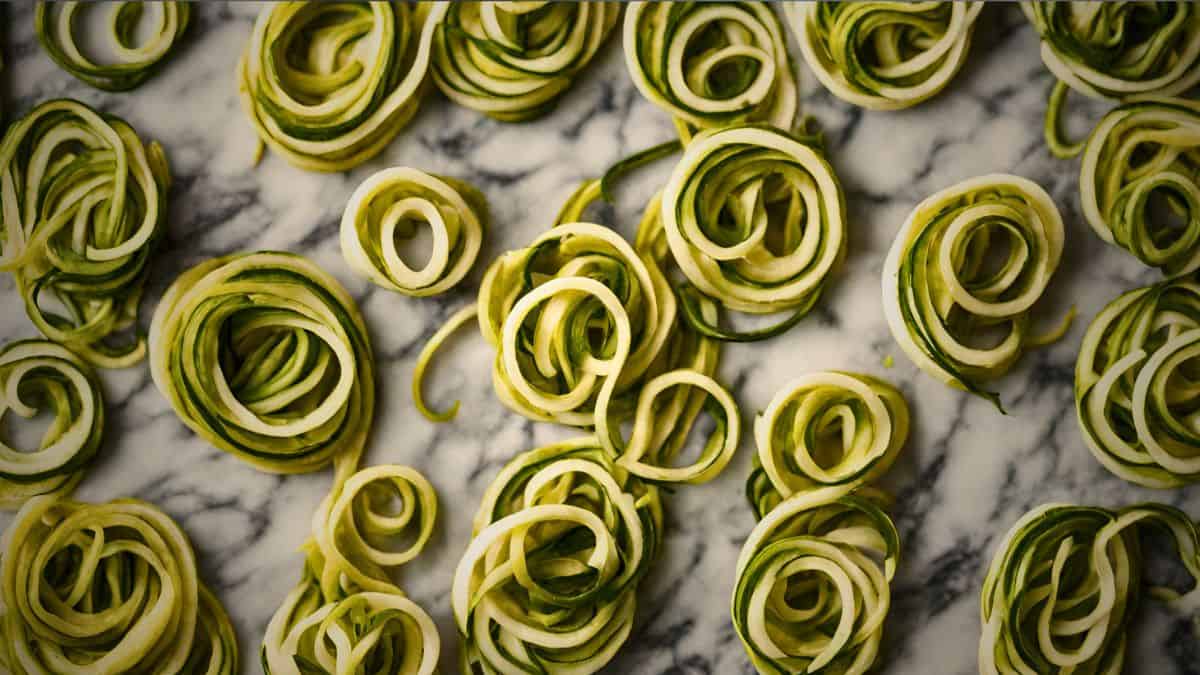
Why Zoodles?
Zoodles offer the comforting satisfaction of pasta without the heaviness. They’re lighter, faster to cook, and they won’t overshadow your favorite sauces.
Unlike spaghetti squash, zoodles have a mild flavor and a firmer bite when prepared right. While they don’t freeze well raw, they’re fantastic for short-term storage and long-term dehydration.
How to Make Zoodles
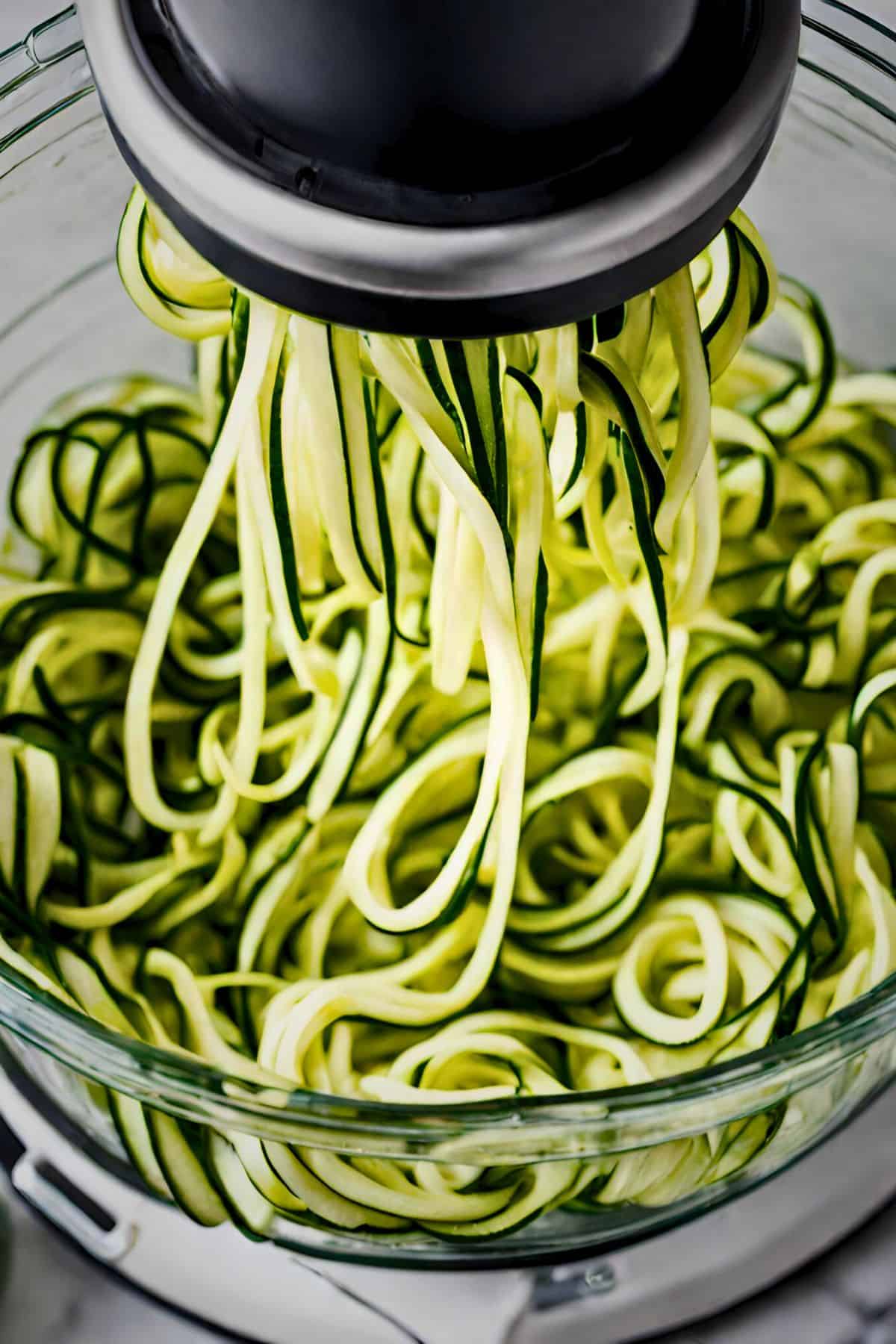
There are a few tools you can use:
- Spiralizer - most fun, yields long curly noodles.
- Vegetable peeler - simple and effective.
- Mandoline slicer - quick but requires caution.
Step-By-Step
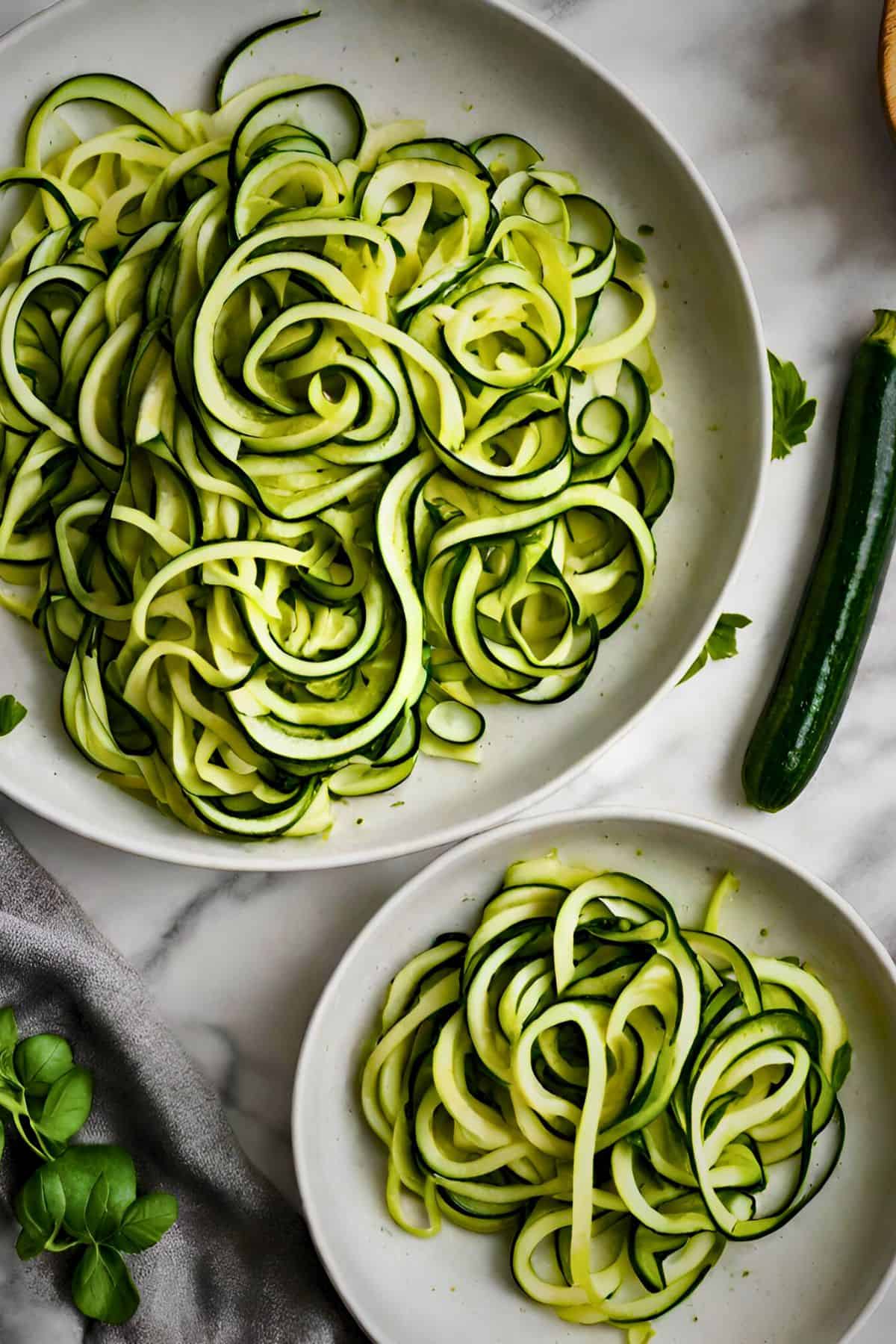
Choose your zucchini. No need to peel. Wash, dry, and trim ends.
Create your noodles. Spiral, peel, or slice into long strands. Dark green skin adds visual appeal and a firmer texture.
Serving size tip: One medium zucchini per person is a good rule. Oversized garden zucchinis can stretch further... one might serve two or more.
How to Cook Zoodles
You don’t have to cook them at all, zoodles can be eaten raw. But if you prefer them warm, here are your best options:
Sauté Method (Best flavor + texture)
- Heat a tablespoon of olive oil in a skillet.
- Toss in zoodles with a pinch of salt.
- Cook for just 1–2 minutes, stirring gently.
- Serve immediately.
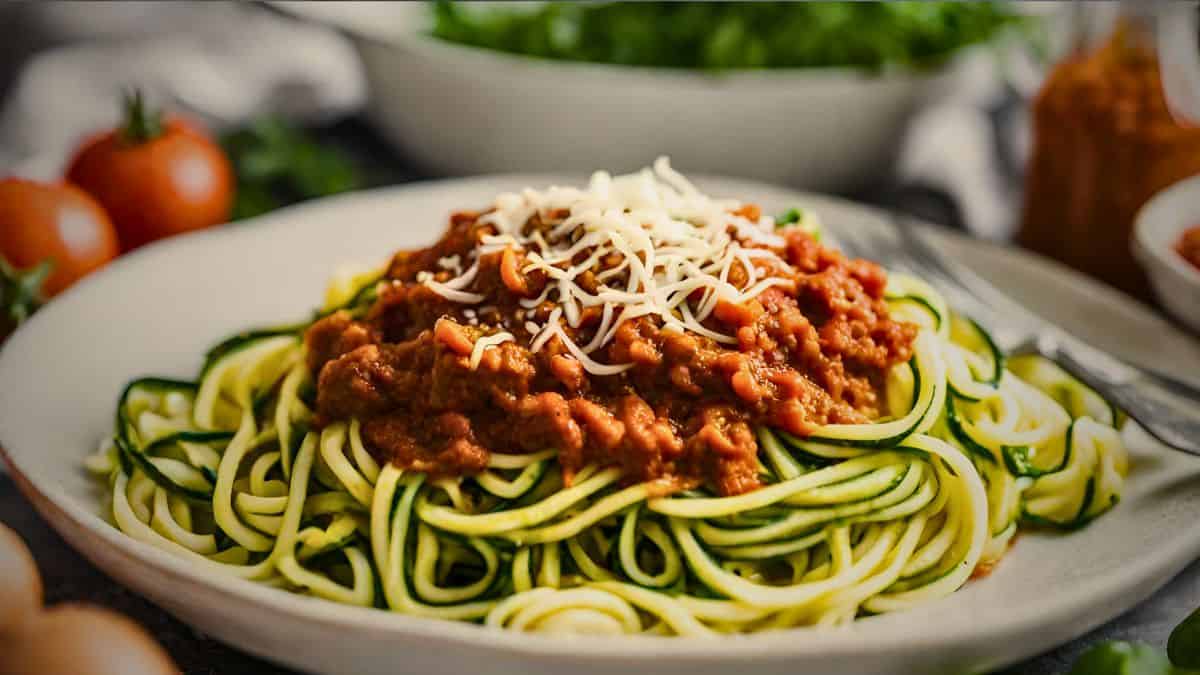
2. Boil Method (If oil-free is your goal)
- Bring a pot of water to a boil.
- Add zoodles and boil for 1 minute max.
- Drain immediately to avoid sogginess.
Don’t overcook! Zoodles go from al dente to watery mush very quickly.
How to Store Zoodles
For Short-Term Use (up to 3 days):
- Line a 9x13 pan with damp paper towels.
- Add zoodles in a single layer.
- Sprinkle with salt, top with more damp towels.
- Store in the fridge and use within 72 hours.
For Long-Term Storage: Dehydrate Them
- Spread zoodles in a single layer on dehydrator trays.
- Dry at 125ºF overnight, or until brittle.
- Condition in glass jars for a few days (shake daily to check for residual moisture).
- Store in vacuum-sealed containers in portioned sizes.
Rehydrating Dehydrated Zoodles
- Bring a pot of water to a boil.
- Turn off heat, add dried zoodles.
- Cover and let sit for 12–15 minutes, until tender.
- Drain and use like fresh!
Zoodles are more than a trend, they’re a practical, nourishing way to use summer’s bounty. Whether fresh from the garden or preserved for winter meals, they’re a low-effort, high-reward addition to your kitchen arsenal.



T says
Hey, there. Your instructions for dehydrating are dangerous. Definitely not safe. Nope to olive oil and nope to vacuum sealing. You need a silica pack since these aren’t less than 10%.
Danielle McCoy says
Hmmm, nowhere in my dehydrating instructions do I mention olive oil, only in preparing them by sauteeing. The NCHFP actually recommends vacuum sealing as a way to store dehydrated foods and desiccant packs can be utilized, but aren't required, especially if the fruit was properly conditioned to ensure equal moisture levels.